A Short-Lived Chapter in Management
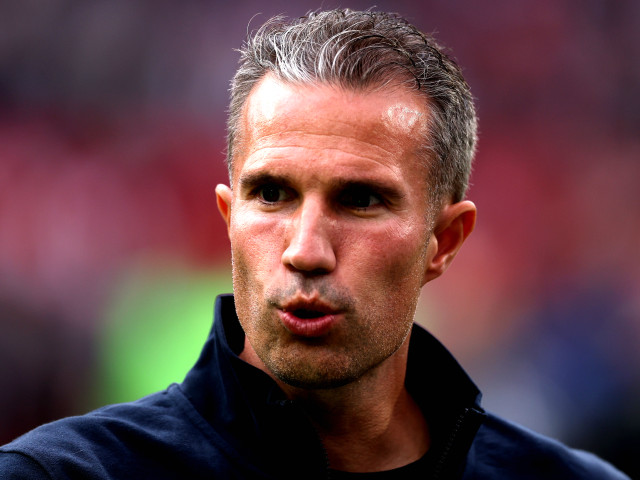
Robin van Persie’s managerial career has hit a significant roadblock, with the former Arsenal and Manchester United striker being relieved of his duties after a brief and challenging spell in charge. The 42-year-old Dutchman, who enjoyed a glittering playing career that saw him win Premier League titles and earn legendary status at both the Emirates and Old Trafford, has found the transition to management far more demanding than many had anticipated.
Van Persie took his first steps into senior management with considerable optimism, backed by a club that believed his footballing intelligence and vast experience at the highest level would translate naturally into coaching success. However, results on the pitch failed to match the expectations, leading to the board’s decision to part ways with the Dutch icon.
A Legendary Playing Career
Van Persie’s playing credentials are beyond question. At Arsenal, he developed from a promising winger into one of the most lethal strikers in world football, captaining the Gunners and scoring 132 goals across all competitions. His 2011-12 season, where he scored 30 Premier League goals for a struggling Arsenal side, remains one of the finest individual campaigns in the league’s history.
The move to Manchester United in 2012 proved decisive. Under Sir Alex Ferguson, van Persie scored 26 league goals in his debut season, firing United to the Premier League title and earning the Golden Boot in the process. His hat-trick against Aston Villa that sealed the championship — completed with a stunning volley — is etched into Premier League folklore. He also represented Fenerbahce and Feyenoord, ending his career at the club where it all began.
The Challenges of Management
Van Persie’s dismissal highlights the stark reality that great players do not always become great managers. The transition from pitch to dugout requires a fundamentally different skill set — one that involves man-management, tactical flexibility, recruitment strategy, and the ability to handle the relentless pressure of modern football.
Despite bringing in an experienced coaching staff around him, van Persie struggled to impose his tactical vision on the team. Results became inconsistent, and the board ultimately decided that a change was necessary to reverse the club’s trajectory. The decision was described as difficult but necessary, with the club thanking van Persie for his efforts and professionalism throughout his tenure.
What Next for Van Persie?
The question now is what the future holds for one of football’s most beloved figures of the 2010s. Van Persie has expressed a genuine passion for coaching and a desire to learn from his experiences. A spell as an assistant manager or a return to youth development — he previously worked with Feyenoord’s academy — could provide the platform for a more measured return to management further down the line.
His knowledge of the game, particularly in the striking department, remains highly valued. Many believe that van Persie’s true strength lies in individual player development rather than the all-encompassing demands of being a head coach. A move into a specialised coaching role — working with forwards at a top European club — could be the ideal next step for the Dutchman.
For now, van Persie joins the long list of elite players who have found the managerial path a humbling experience. But as many before him have shown, a first failure does not define a coaching career. The real test is what he learns from it.