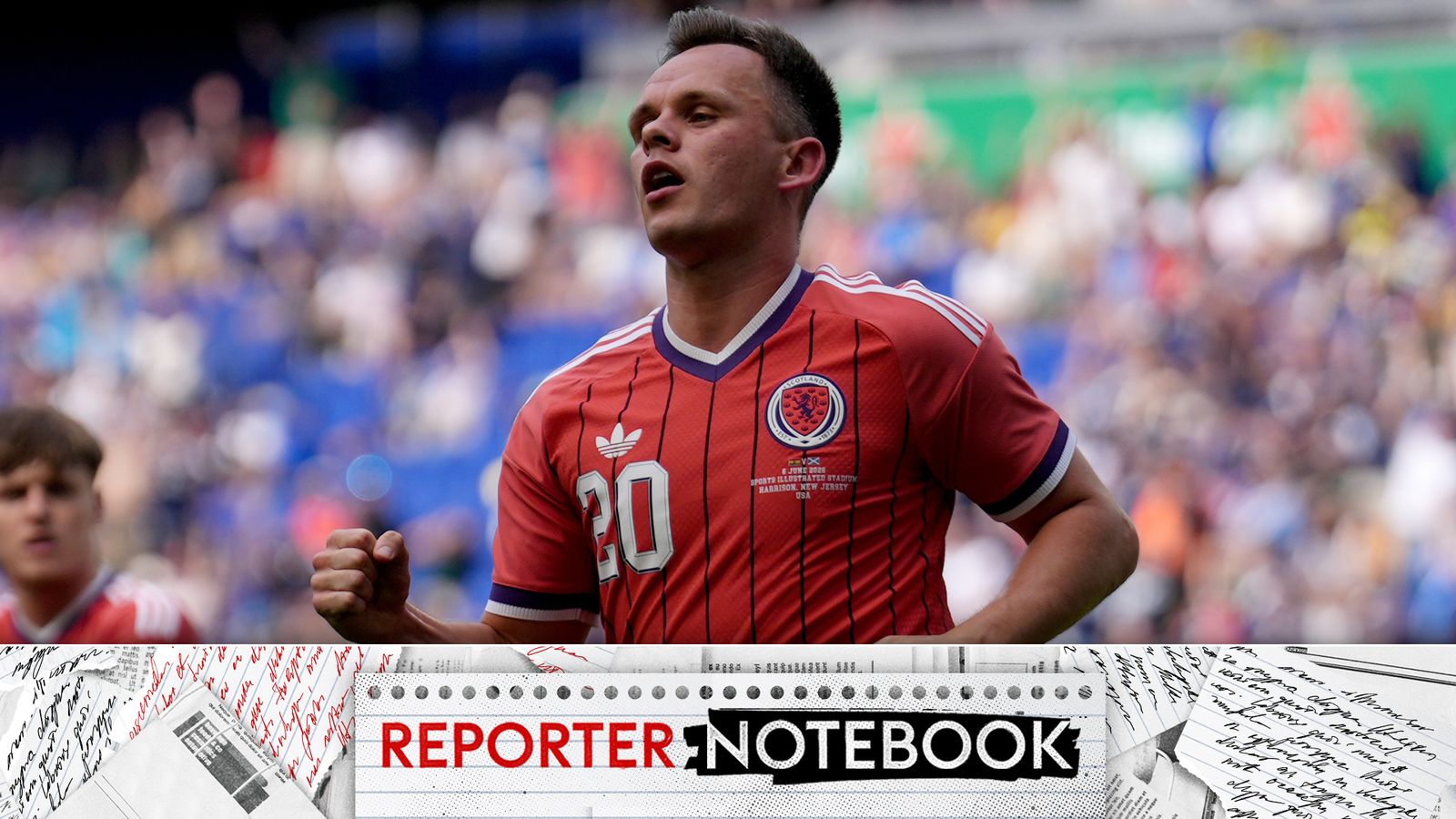
Scotland return to the World Cup for the first time since 1998, and Steve Clarke’s squad carry the hopes of a nation desperate to achieve something no Scottish team has managed before: progression beyond the group stage of a World Cup finals. The Tartan Army has waited 28 years for this moment, and the draw has served up a fascinating challenge.
Clarke’s Historic Achievement
When Steve Clarke took charge of Scotland in 2019, few could have predicted the transformation he would engineer. He ended Scotland’s 22-year tournament exile by guiding them to Euro 2020, repeated the feat for Euro 2024, and has now delivered the ultimate prize — a World Cup berth. Each barrier he has broken has raised expectations for the next, and the next barrier is the most formidable yet.
Scotland have never advanced past the group stage of a World Cup in eight previous appearances. The statistics make grim reading: 14 matches played, four wins, three draws, and seven defeats. For a nation that has produced world-class individuals from Denis Law to Kenny Dalglish, the collective failure to progress on the global stage remains the great unfinished business of Scottish football.
The Group of Challenging Proportions
Scotland’s Group C campaign begins against Haiti before they face Morocco and Brazil. There is a curious historical echo here — Brazil and Morocco were also among Scotland’s group opponents at France 1998, when Craig Brown’s side lost to the South American giants and drew with Morocco before a famous victory over Norway proved insufficient to progress.
Haiti, appearing in their first World Cup since 1974, are the lowest seeds in the group. Scotland will be expected to win that opening fixture, but Haiti possess genuine threats. Wilson Isidor, who caused problems for Premier League defences during his loan at Sunderland, is a physical presence up front, while Duckens Nazon was a prolific scorer during qualifying. There is no guaranteed victory in tournament football — Scotland’s painful history against Peru and Iran in 1978 serves as a cautionary tale.
A Squad Built for the Occasion
This Scotland squad boasts a wealth of tournament experience. Key figures like Andy Robertson, John McGinn, and Kieran Tierney have played in multiple major tournaments and understand the rhythms of knockout competition. The squad blends experienced campaigners with emerging talent, and crucially, most of the squad have experienced tournament football together.
The Tartan Army has been in fine voice throughout the build-up, with McGinn murals appearing in Glasgow and Scottish fans booking flights in unprecedented numbers. The emotional connection between this team and its supporters has been a defining feature of the Clarke era.
What Would Success Look Like?
For many supporters, simply being at the World Cup after a 28-year absence represents a victory in itself. But Clarke and his players have set their sights higher. Advancing to the knockout stage would rank among the greatest achievements in Scottish sporting history. A win against Haiti, followed by competitive performances against Morocco and Brazil, could be enough to secure one of the best third-place qualifying spots in this expanded 48-team format.
Scotland have broken barriers before under Clarke. Now they face the biggest one of all.
Source: Sky Sports