Remembering the Heat That Defined a Tournament
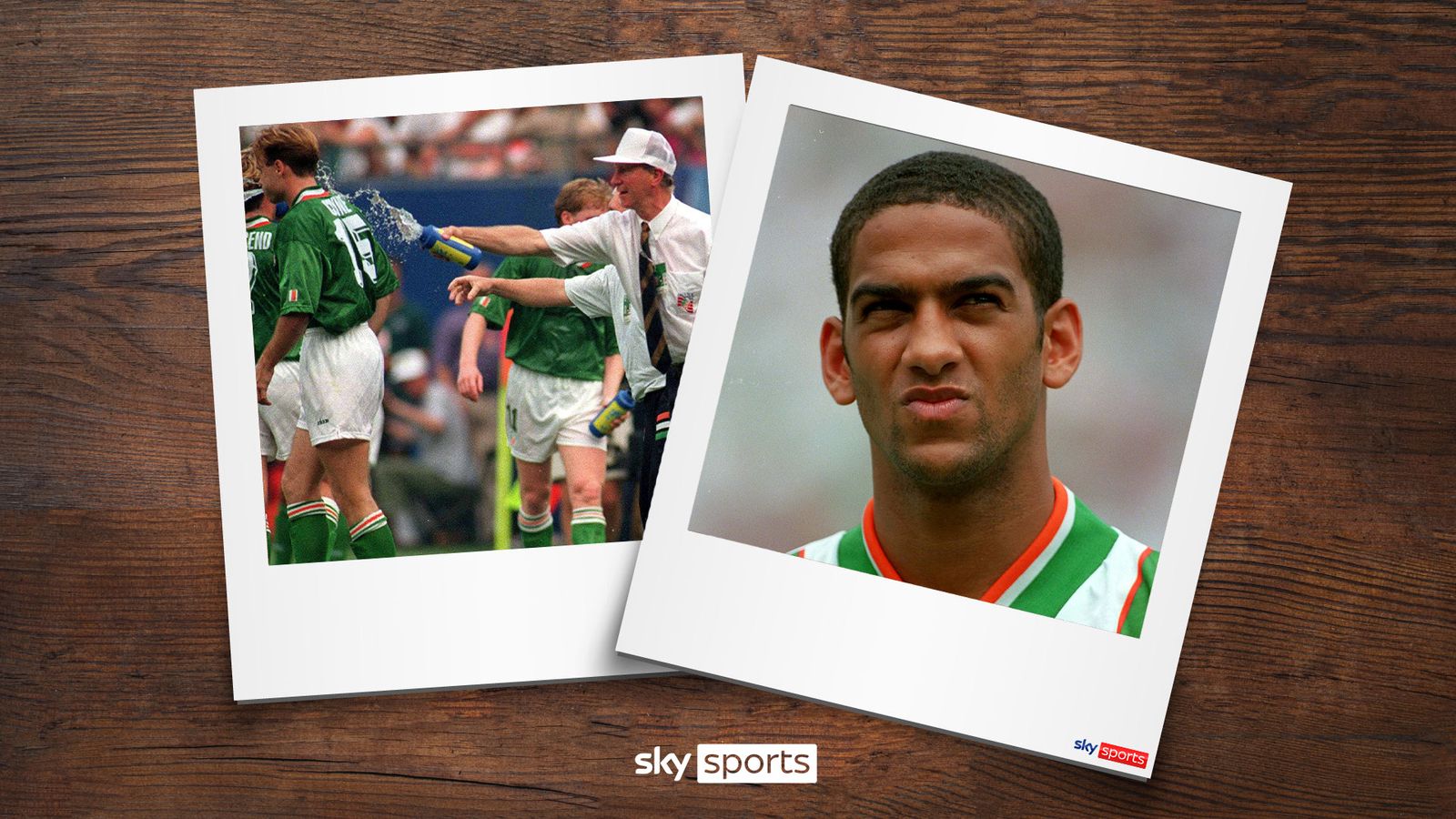
The iconic image of Jack Charlton hurling an open bottle of water toward Andy Townsend and Tommy Coyne remains one of the defining snapshots of the Republic of Ireland’s 1994 World Cup campaign. It was a moment born not of anger, but of desperation. The heat in the United States that summer was unlike anything the Boys in Green had ever experienced — and FIFA’s strict rules on sideline hydration only made matters worse.
Phil Babb, then a 23-year-old defender fresh off his second full Premier League season with Coventry City, was part of that unforgettable journey. In an exclusive interview with Sky Sports, the former Liverpool centre-back paints a vivid picture of what it was like to play under Charlton in conditions that pushed players to their absolute limits.
Training in a Sauna
Ireland’s preparation for the tournament was unconventional, to say the least. Charlton’s side had already experienced hot conditions at Italia ’90, but USA ’94 presented a different challenge altogether. The squad trained in purpose-built heat chambers, with temperatures cranked so high that players lost several kilograms in sweat during single sessions.
Babb describes the experience as unlike anything he had encountered in English football. The FA Cup winner, who earned his international debut in a 0-0 draw with Russia in March 1994, recalls that the pre-tournament friendlies served as a brutal introduction to what awaited them across the Atlantic. What makes the story even more remarkable is how Charlton handled the situation. The 1966 World Cup winner clashed repeatedly with FIFA over their policy forbidding water bottles from being thrown onto the pitch. His solution was both practical and defiant — he threw the contents instead, soaking players from the sideline before FIFA officials could intervene.
Charlton’s White Baseball Cap and Unwavering Leadership
Charlton was rarely seen without his white baseball cap during those sweltering American weeks. Steve Staunton famously even wore one during the national anthem before the second group game, a small but telling symbol of the squad’s unity and their manager’s distinctive influence.
For Babb, the tournament represented the pinnacle of his international career. Making his debut in March and then representing Ireland at a World Cup just months later was a whirlwind experience. He played four times for Charlton’s side at the tournament, forming part of a defence that battled through temperatures that regularly exceeded 38 degrees Celsius on the field.
“They trust me to do what is right for them and I will continue to do it,” Charlton famously said when questioned about his methods. “We have been right in pursuing this matter and FIFA’s changes.” That uncompromising attitude defined Ireland’s campaign — a team that refused to be broken by conditions that left other sides struggling.
A Legacy of Resilience
Looking back more than three decades later, Babb’s recollections serve as a powerful reminder of how much the game has changed. Modern World Cups feature cooling breaks, advanced sports science, and stringent heat protocols. In 1994, players simply had to endure.
The Republic of Ireland’s second consecutive World Cup appearance may not have ended with silverware, but the stories from that campaign — Charlton’s water bottle theatrics, the sauna-like training sessions, and the unbreakable team spirit — have become part of World Cup folklore. As the 2026 tournament kicks off across the United States, Canada, and Mexico, Babb’s account is a timely reminder of the resilience required to compete on the world’s biggest stage when everything — including the weather — is against you.