A Nation’s Hope Rests on Two Superstars
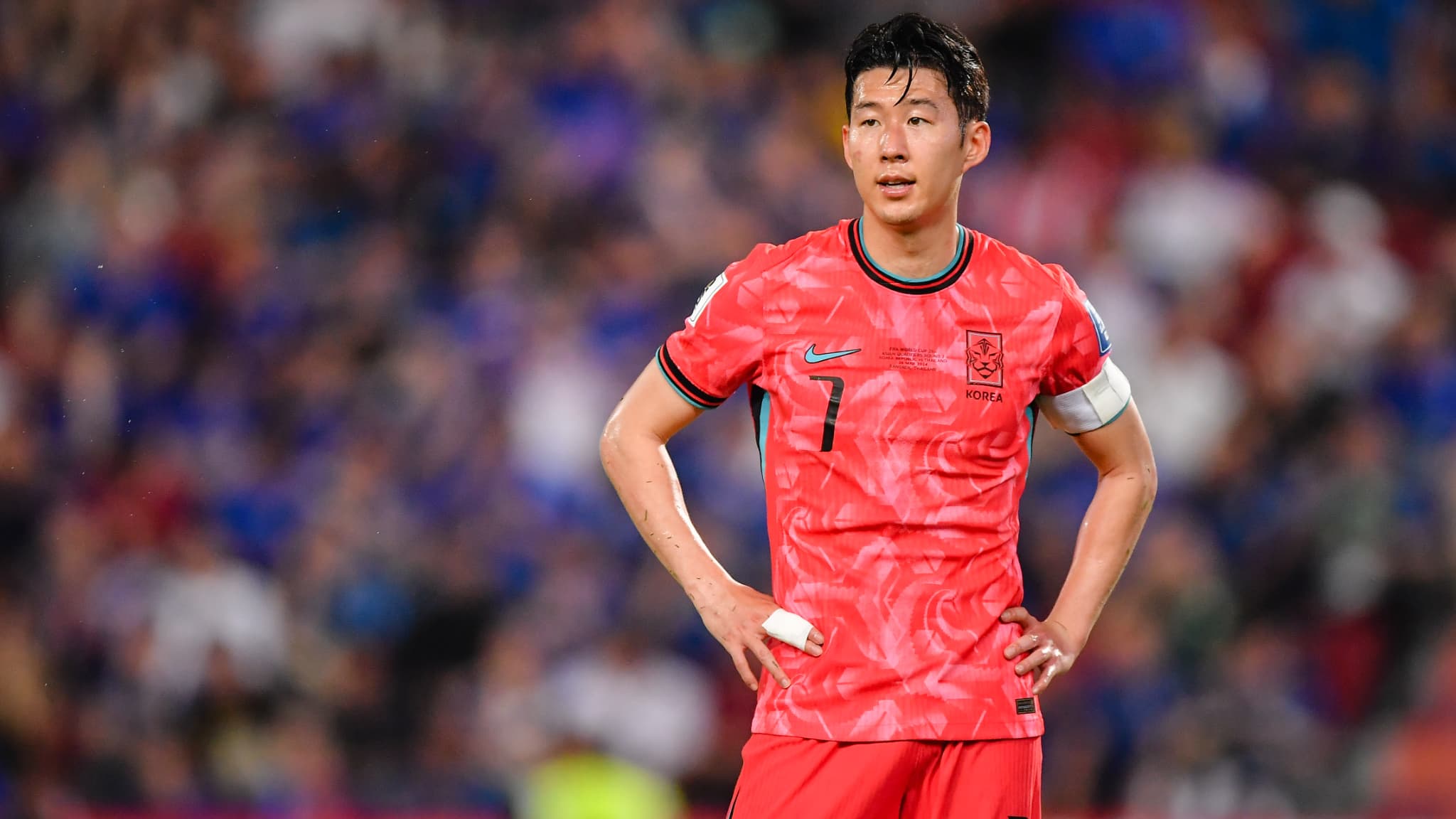
When South Korea steps onto the pitch at the 2026 World Cup, they will carry the weight of a football-mad nation’s expectations. The Tigers of Asia, semi-finalists of the last Asian Cup, enter their twelfth World Cup appearance with a squad built around two generational talents: Tottenham’s Son Heung-min and Paris Saint-Germain’s Lee Kang-in.
Drawn into a group alongside Mexico, South Africa, and the Czech Republic, South Korea’s path to the knockout rounds is navigable but far from straightforward. As the second-best ranked team in Group A behind Mexico (14th in FIFA rankings), the Taeguk Warriors have every reason to believe they can advance.
South Korea’s 2022 World Cup campaign in Qatar brought them to the Round of 16, where they pushed Brazil hard before falling 4-1. That experience, combined with a squad that has matured significantly since, forms the foundation of their 2026 ambitions.
The Son-Lee Dynamic
One of the most fascinating subplots of South Korea’s campaign is the relationship between Son Heung-min and Lee Kang-in. In 2019, the two stars had a well-documented altercation during the Asian Cup that made headlines across Korean media. The incident appeared to stem from generational and stylistic differences within the squad.
Fast forward to 2026, and the narrative has shifted. Lee, now a Champions League winner with PSG, has matured into one of Europe’s most technically gifted midfielders. “A valuable asset with a magnificent left foot,” as RMC Sport describes him. Son, the elder statesman and captain, remains the team’s spiritual leader and all-time top scorer.
Manager Jurgen Klinsmann has emphasized unity above all else. The pair has been seen training together extensively in the build-up, and sources inside the camp suggest the old tensions have been resolved. If South Korea is to progress, Son and Lee must fire in tandem.
Tactical Identity
South Korea’s traditional strength has been their relentless work rate and tactical discipline. Klinsmann, himself a World Cup winner with Germany, has instilled a more possession-oriented approach while retaining the counter-attacking sharpness that has historically served the team well.
The defense is anchored by Kim Min-jae, the Bayern Munich center-back who has established himself as one of the finest defenders in world football. His partnership with a rotating cast of partners will be crucial against the physical threat posed by the Czech Republic and South Africa.
In midfield, Lee’s creativity is complemented by the energy of Hwang In-beom and the tactical intelligence of Jung Woo-young. The balance between defensive solidity and attacking flair will define South Korea’s tournament.
Group Stage Outlook
Group A’s first place should logically go to Mexico, the CONCACAF powerhouses who thrive in North American conditions. South Korea’s most realistic path is securing second place, which would likely mean a Round of 16 clash against the runner-up of Group B.
A second-place finish with four or five points is achievable. South Korea’s opening match against the Czech Republic will set the tone — a victory there would put enormous pressure on the other group members. The match against South Africa, featuring Cape Verde’s Steven Moreira among others, could be the decisive fixture for progression.
Beyond the Group Stage
Should South Korea reach the knockout rounds, their tournament experience and individual quality make them a dangerous opponent for any side. The 2002 semi-final run remains the benchmark, but this squad has the talent to write its own chapter in Korean football history.
For Son Heung-min, now in his thirties, this likely represents his last World Cup at his peak. For Lee Kang-in, it is the opportunity to announce himself on football’s biggest stage. Together, they lead a nation’s dreams.
Source attribution: RMC Sport Football