A Long-Awaited Return
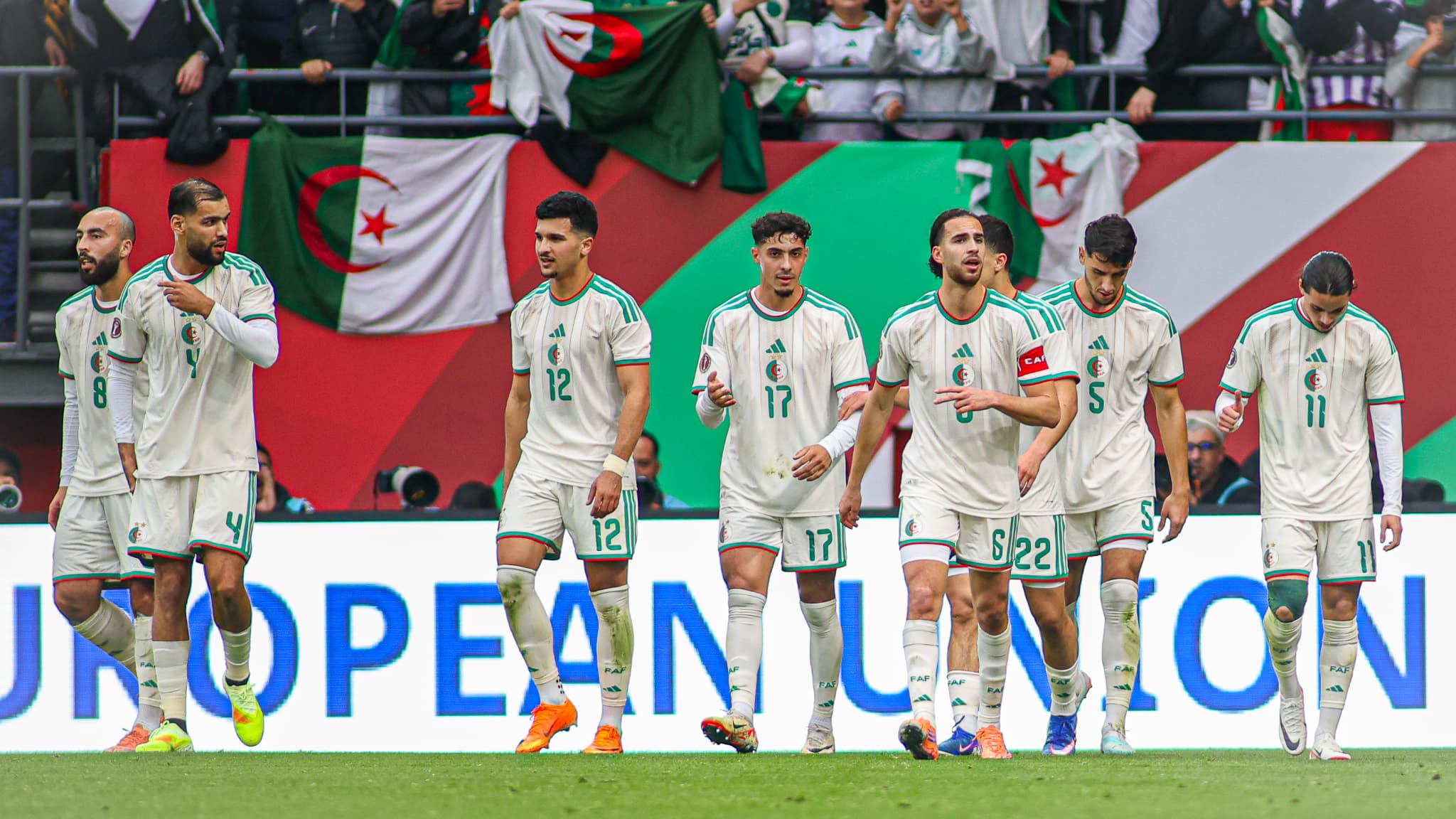
Twelve years is an eternity in football. For Algeria, the wait to return to the World Cup stage has felt even longer. The Fennecs, who last graced the tournament in 2014 in Brazil, have qualified for the 2026 edition with a squad that blends experience with emerging talent. The question on everyone’s lips: can they make up for lost time?
Algeria’s 2014 campaign was heroic, pushing eventual champions Germany to extra time in the Round of 16 before falling 2-1. That performance, led by the iconic Riyad Mahrez and Islam Slimani, remains the benchmark for Algerian football. The current generation carries the responsibility of matching — or surpassing — that achievement.
Drawn into Group J alongside African neighbors and other continental powers, Algeria’s path to the knockout rounds requires tactical discipline, clinical finishing, and a bit of fortune.
Squad Analysis: Strengths and Weaknesses
Algeria’s greatest strength lies in midfield, where technical quality and European experience combine. The squad features players who have competed at the highest levels of club football, giving them an edge in terms of tactical understanding and composure under pressure.
The forward line, while not as individually decorated as the 2014 vintage, possesses pace and movement that can trouble any defense. Young attackers have emerged in recent years, bringing fresh energy to a squad that sometimes relied too heavily on established stars.
The most significant concern is the absence of a natural No. 9. Algeria lacks a traditional center-forward capable of fixing opposing center-backs and providing a physical focal point. Baghdad Bounedjah, the most experienced option, is a different profile of striker — mobile but not imposing in the air.
“The lack of a real No. 9, capable of fixing the opposing defenses, could be a problem,” notes RMC Sport’s analysis of Algeria’s prospects. This weakness could be exploited by well-organized defenses, particularly if Algeria finds itself trailing and needing to chase the game.
The Manager and Philosophy
Algeria’s coaching staff has emphasized tactical flexibility throughout the qualifying campaign. The team can play out from the back, press high when appropriate, and sit deep against superior opposition. This adaptability will be crucial in the group stage, where match-to-match adjustments can determine progression.
Set pieces will be a key weapon. Algeria has shown proficiency from dead-ball situations, both in delivering dangerous balls into the box and in attacking them with purpose. In tight group matches, a single set-piece goal could be the difference between advancing and going home.
Group Stage Realities
Algeria’s group presents both opportunities and challenges. A second-place finish with four or five points is a realistic and achievable target. “The Fennecs will have fulfilled their first objective,” as analysts assess the group dynamics.
The opening match is critical. Algeria must avoid defeat against their most direct competitor for second place. A draw keeps the destiny in their own hands; a defeat puts enormous pressure on the remaining fixtures.
The match against the group’s strongest team will test the squad’s defensive organization. Algeria’s best chance in that fixture is to stay compact, frustrate the opposition, and strike on the counter-attack or from a set piece.
Beyond the Group
If Algeria advances to the knockout rounds, the experience of playing on the biggest stage will be invaluable — not just for this tournament, but for the development of the squad for future campaigns. A Round of 16 appearance would be considered a successful return, while a quarter-final run would rival the achievements of 2014.
The Fennecs have the quality to trouble any opponent on their day. The key is consistency — maintaining high performance levels across multiple matches, something that has eluded Algerian teams in previous tournaments.
Algerian fans, both at home and in the diaspora across Europe and North America, will travel in numbers to support their team. The green and white flags will be a familiar sight in stadiums, creating an atmosphere that can lift the players when they need it most.
The wait is over. Algeria is back on football’s grandest stage. Now, the Fennecs must prove they belong.
Source attribution: RMC Sport Football