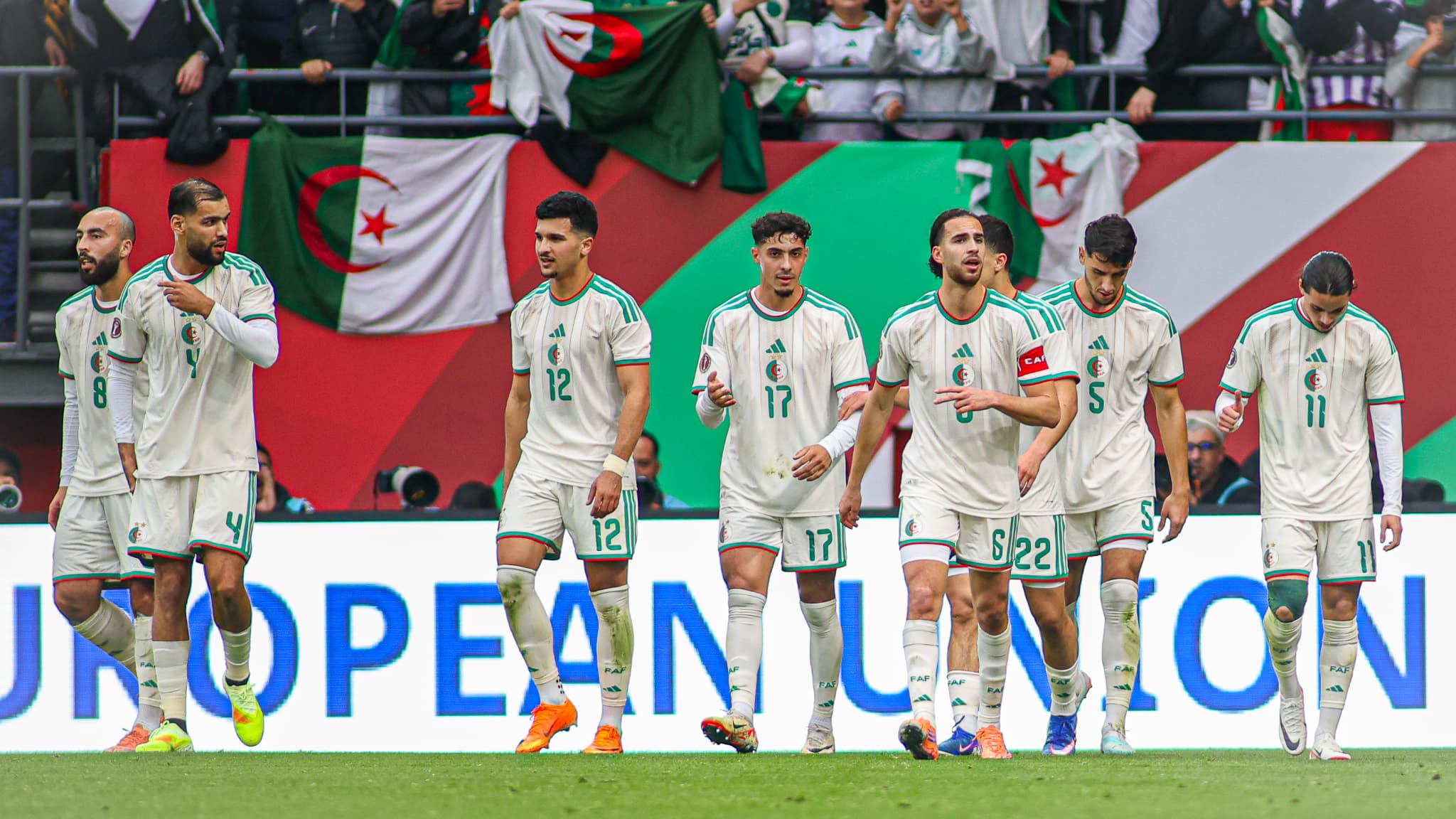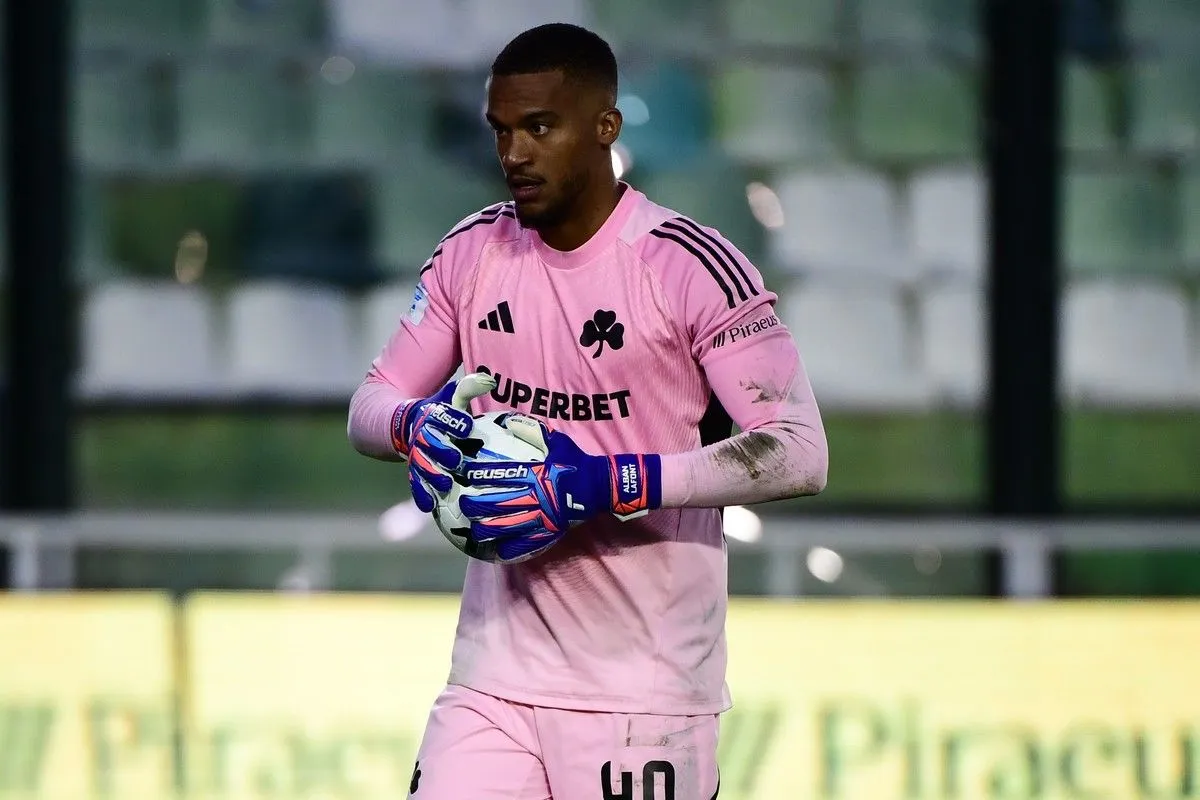
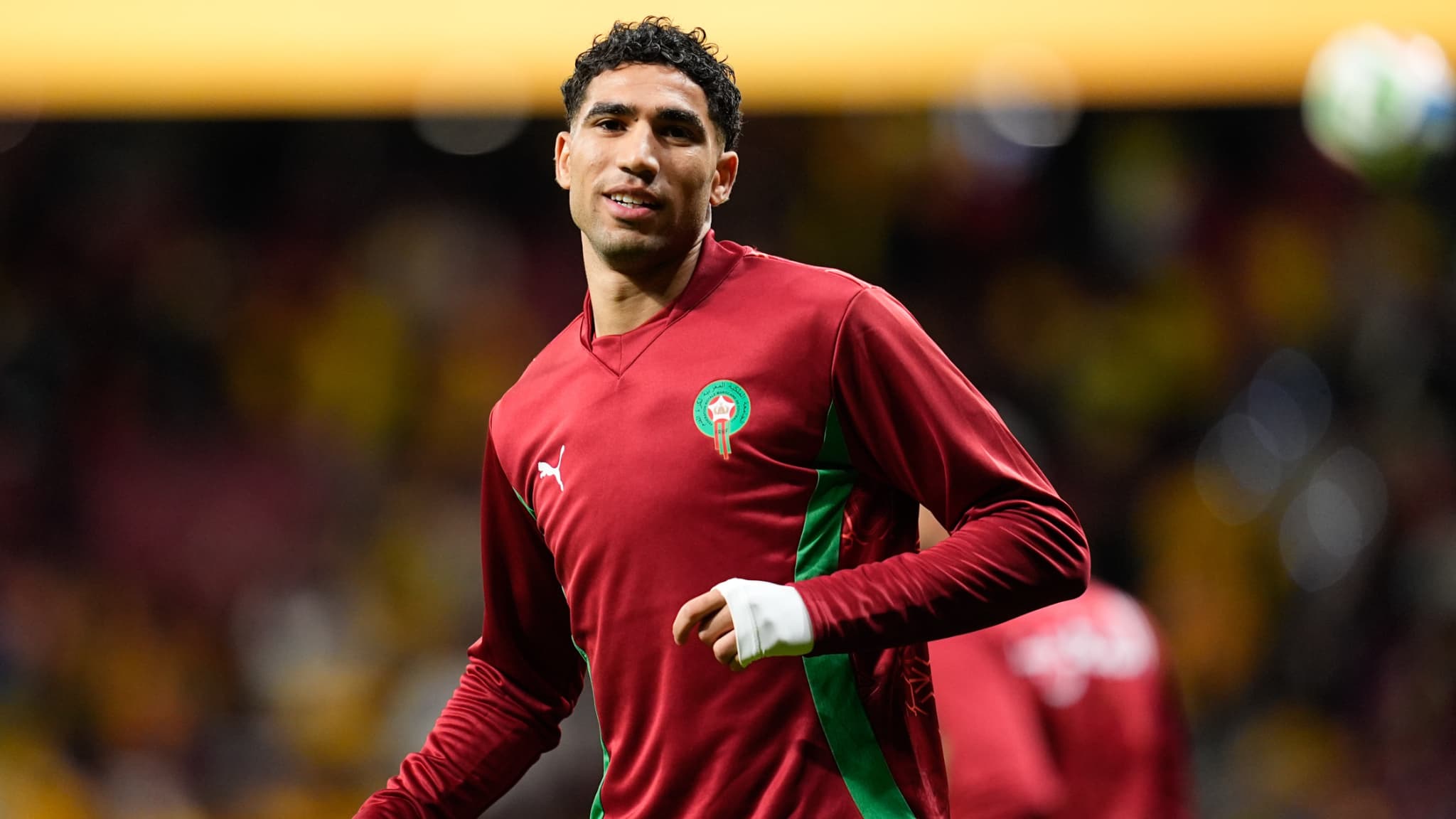
A Legacy to Build Upon
When Morocco became the first African and Arab nation to reach the semi-finals of a FIFA World Cup in 2022, they captured the imagination of the footballing world. Now, as the 2026 tournament approaches, the question on every observer mind is whether the Atlas Lions can go even further.
Under the guidance of new head coach Mohamed Ouahbi, who succeeded the iconic Walid Regragui after Morocco controversial Africa Cup of Nations victory on home soil, the team faces the dual challenge of living up to heightened expectations while integrating new tactical ideas.
Qualification Dominance
Morocco breezed through African qualifying for the 2026 World Cup, topping Group E with eight wins from eight matches. They scored 24 goals while conceding just three, demonstrating the kind of dominance expected from a nation now ranked eighth in the world by FIFA, ahead of traditional powerhouses Belgium and Germany.
This will be Morocco seventh World Cup appearance and their third consecutive qualification, a first in their history. The consistency itself represents a significant step forward for a nation that had often struggled to maintain momentum across multiple qualification cycles.
Key Players and Squad Strength
The core of the 2022 squad remains largely intact, led by Paris Saint-Germain defender Achraf Hakimi, whose overlapping runs and crossing ability make him one of the most dangerous full-backs in world football. In midfield, Sofyan Amrabat continues to provide the defensive screen that proved so effective against Belgium, Spain, and Portugal in Qatar.
Hakim Ziyech and Noussair Mazraoui bring technical quality and big-match experience, while the emergence of younger talents has added depth to a squad that already punches well above its weight.
The Manager Question
The biggest uncertainty for Morocco heading into this World Cup is whether Ouahbi can replicate Regragui tactical genius. The former coach masterminded a defensive system that frustrated some of the best attacking teams in the world, and any deviation from that formula carries risk.
Ouahbi has shown tactical flexibility during qualifying, but tournament football is an entirely different challenge. The early group matches will reveal whether his approach can stand up to the pressure of World Cup competition.
Path Ahead
Drawn in what appears to be a manageable group, Morocco will be expected to advance to the knockout rounds. The expanded 48-team format means that finishing in the top two is achievable, though complacency remains a danger.
With their disciplined defensive structure, rapid counter-attacking transitions, and a never-say-die attitude that became their trademark in 2022, Morocco have every reason to believe they can surpass their historic run. The semi-final was not a fluke, it was the fruit of a football development project launched two decades ago under the vision of King Mohammed VI, an investment now yielding its richest dividends.