A Summer of Confusion in West Germany
As the football world turns its attention to the 2026 FIFA World Cup across North America, it is worth looking back at one of the most remarkable and least celebrated chapters in Argentina World Cup history. The 1974 tournament in West Germany saw an Argentina side arrive with promise and expectation, only to unravel in bewildering fashion on the grandest stage.
The West German summer heat was oppressive when Argentina walked onto the pitch at Neckarstadion in Stuttgart for their opening match against Poland. Within 20 minutes, the Albiceleste found themselves trailing 2-0, their players exchanging confused glances as a well-organized Polish side tore through their defensive lines. It was the beginning of a campaign that would leave players, journalists, and supporters asking a single question: what happened?
The Context of a Divided Football Nation
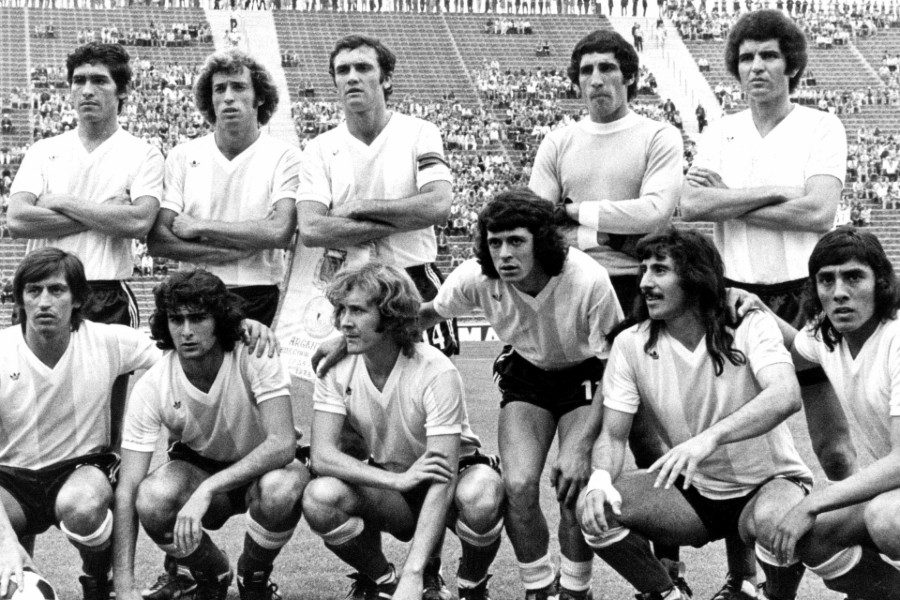
Argentina in 1974 was a team in transition. The country was still feeling the aftershocks of political turbulence, and football, as ever, reflected the national mood. The squad that travelled to West Germany was a mix of youth and experience, including several players who had won the domestic league with Cesar Luis Menotti Huracan side the previous year. It was the first Argentina World Cup squad to include players based abroad, a novelty that brought both quality and questions about team cohesion.
Qualification had been anything but straightforward. Argentina faced Bolivia and Paraguay in a double-legged qualifying series that tested their resolve and exposed defensive frailties that would prove costly in the tournament proper. The team scraped through, but the warning signs were there for those willing to read them.
A Tournament of What-Ifs
After the disastrous start against Poland, Argentina recovered enough to advance beyond the first group stage but never found the rhythm or confidence that had made Menotti team a thrilling domestic side. The tactical rigidity of the European game exposed the more expressive, improvisational style that Argentine football prided itself on. The team struggled to adapt to the physical demands of the tournament, and the second group stage proved an insurmountable obstacle.
The 1974 World Cup itself was a strange edition. It was the first tournament to feature the new format with two group stages, and it was the last before the advent of professionalism and corporate sponsorship transformed the sport. It was a tournament played under the shadow of the Cold War, with East and West Germany competing as separate nations on opposing sides of the ideological divide. It was also the tournament that introduced the world to the Dutch total football revolution led by Johan Cruyff.
Lessons for the Modern Argentina
Looking back at 1974 offers perspective for the current Argentina squad preparing for the 2026 World Cup. The modern Albiceleste, led by Lionel Messi triumphant 2022 campaign and the subsequent World Cup in North America, carry the weight of a rich and complex football history. The Argentina of 1974 may have disappeared into relative obscurity, overshadowed by the World Cup wins of 1978, 1986, and 2022, but their story is a reminder that even the greatest football nations experience campaigns that defy explanation.
Players like Rene Houseman, Ruben Ayala, and Miguel Angel Brindisi gave everything for the shirt in West Germany, yet their efforts are largely forgotten outside of Argentine football historiography. The team that disappeared from memory lives on in the archives, a testament to the unpredictable nature of tournament football and the thin margins that separate glory from obscurity.
As Argentina prepares to write its next World Cup chapter, the ghosts of 1974 serve as both cautionary tale and historical curiosity. Some teams are remembered for what they achieved. Others are remembered for what they could not achieve. And some, like the Argentina class of 1974, are simply remembered for vanishing into the summer haze.