A Troubling Alliance
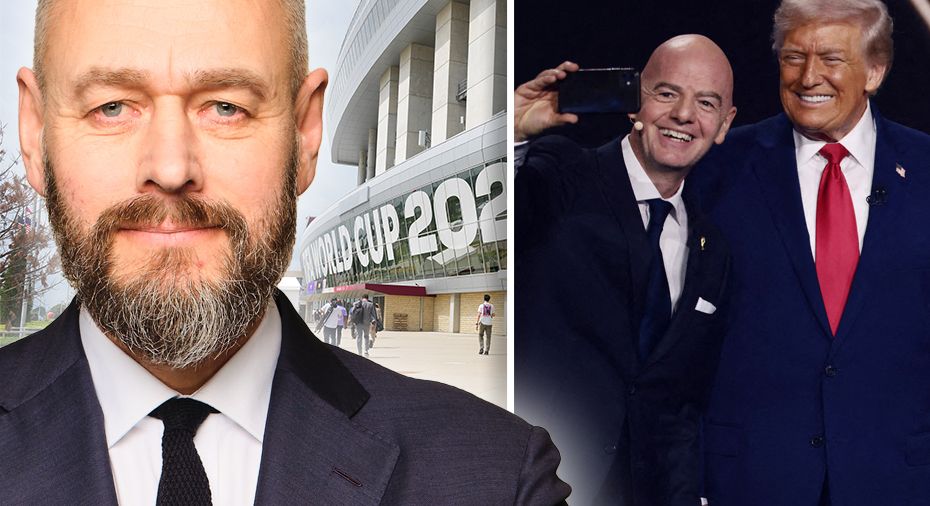
As the World Cup prepares to take centre stage across the United States, Canada, and Mexico, a dark cloud hangs over football governing body FIFA. Swedish football journalist Olof Lundh has delivered a scathing critique of FIFA relationship with US President Donald Trump, arguing that the organisation has effectively surrendered its independence to political forces in host nation.
From Dallas, where the Swedish delegation is based for the tournament build-up, Lundh paints a picture of an organisation that has traded its sporting mandate for political convenience. FIFA leadership under Gianni Infantino has repeatedly aligned itself with the Trump administration, raising serious questions about the governing body neutrality and integrity.
The concerns are not merely theoretical. Reports have emerged of FIFA officials altering tournament protocols and security arrangements to accommodate Trump administration demands. The decision to award the 2026 World Cup to the joint North American bid was already controversial, but the subsequent degree of deference to US political interests has alarmed many within the global football community.
FIFA Independence Under Threat
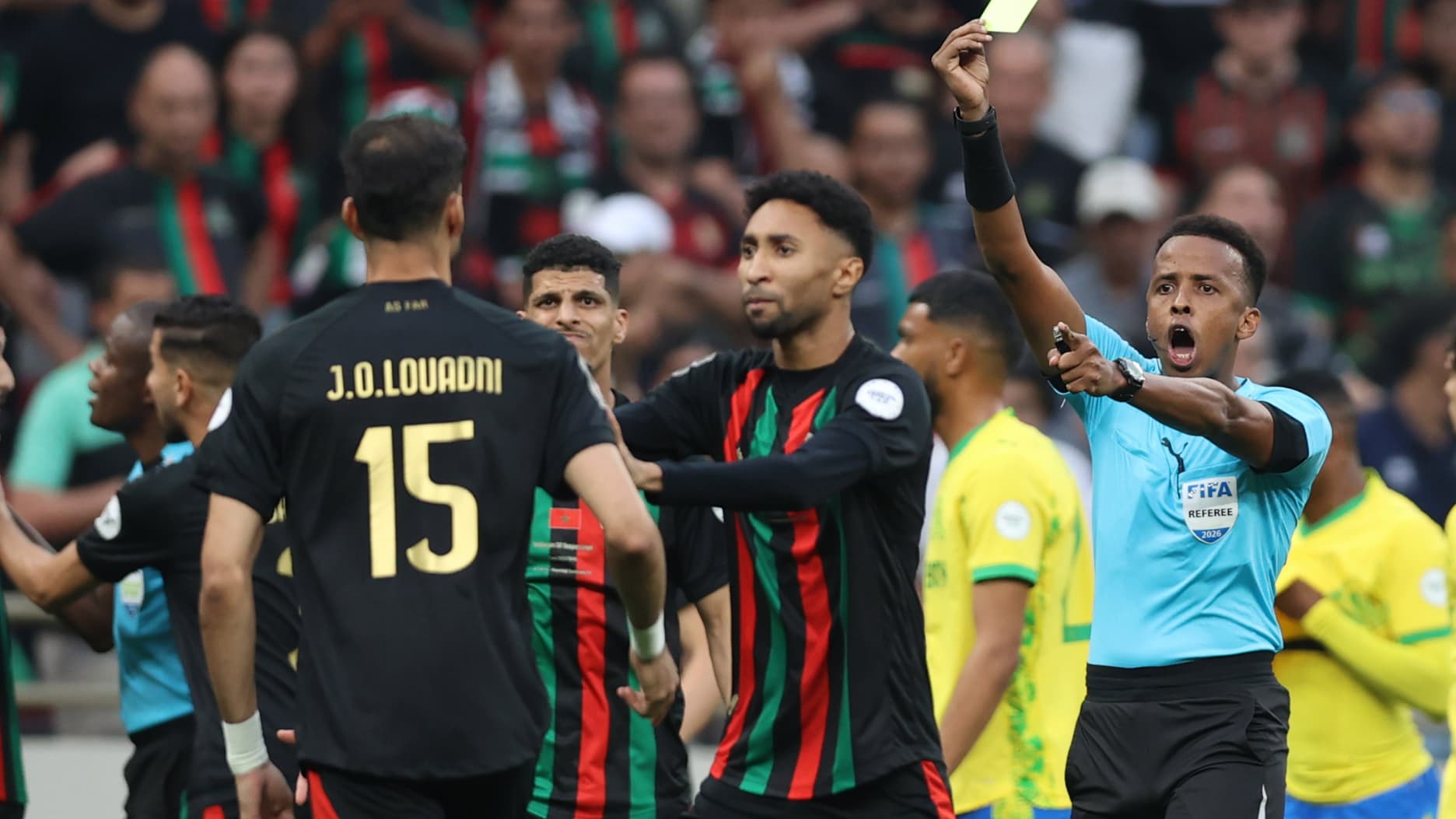
Lundh column draws attention to several specific incidents that demonstrate FIFA subservience. The organisation has been notably silent on US immigration policies that have affected players, officials, and fans attempting to enter the country for the tournament. The case of Somali referee Omar Artan being denied entry to the United States despite holding valid credentials is just the most prominent example of a broader pattern.
FIFA response to these incidents has been muted at best, with the organisation seemingly unwilling to confront the host nation on issues of access and fairness. Critics argue that FIFA financial dependence on the US market and the commercial opportunities presented by the tournament have left the organisation unwilling to rock the boat.
The situation has drawn comparisons to previous World Cups where host nation politics overshadowed the sport. However, the scale of FIFA compromise appears unprecedented, with the organisation appearing to prioritise its relationship with the Trump administration over its stated commitment to inclusivity and equal access.
The Price of Commercial Success
At the heart of the controversy lies a fundamental question: can FIFA maintain its independence when the financial stakes are so high? The 2026 World Cup is projected to be the most lucrative in history, with broadcast rights, sponsorship deals, and commercial partnerships generating unprecedented revenue. This financial reality has created a dynamic where FIFA is reluctant to challenge any aspect of the host nation operations.
Infantino has defended FIFA approach, arguing that the organisation must work constructively with host governments to ensure a successful tournament. But critics counter that constructive engagement should not mean silent acquiescence to policies that contradict FIFA own stated values of non-discrimination and universal access.
For the millions of fans expected to travel across three host nations over the coming weeks, the political background adds an uncomfortable dimension to what should be a celebration of global football. The beautiful game is being played against an ugly backdrop of political manoeuvring and compromised principles.
Looking Ahead
As the tournament progresses, the relationship between FIFA and the Trump administration will face further scrutiny. Human rights organisations, journalists, and football associations from around the world will be watching closely to see whether FIFA can find its voice or whether it will continue to defer to political power.
For the players on the pitch, the politics may seem distant. But for the soul of the game, the stakes could not be higher. FIFA credibility as a truly global and independent governing body hangs in the balance.