From Champions League Hero to Forgotten Man
Divock Origi has announced his retirement from professional football, bringing the curtain down on a career that promised greatness but ultimately became a cautionary tale about unfulfilled potential. The Belgian striker, once one of the most feared substitutes in European football, will be remembered as much for his glorious peaks as for the puzzling decline that followed.
Origi burst onto the scene at Lille, where his raw pace and powerful frame marked him as a future star. A move to Liverpool followed, and it was at Anfield where he wrote the most memorable chapter of his career. His two goals against Barcelona in the 2019 Champions League semifinal remain etched in football folklore, the second a perfectly executed corner routine that sent Anfield into delirium. He would go on to score in the final against Tottenham, securing the sixth European Cup for the Reds.
The Milan Years: A Career Lost
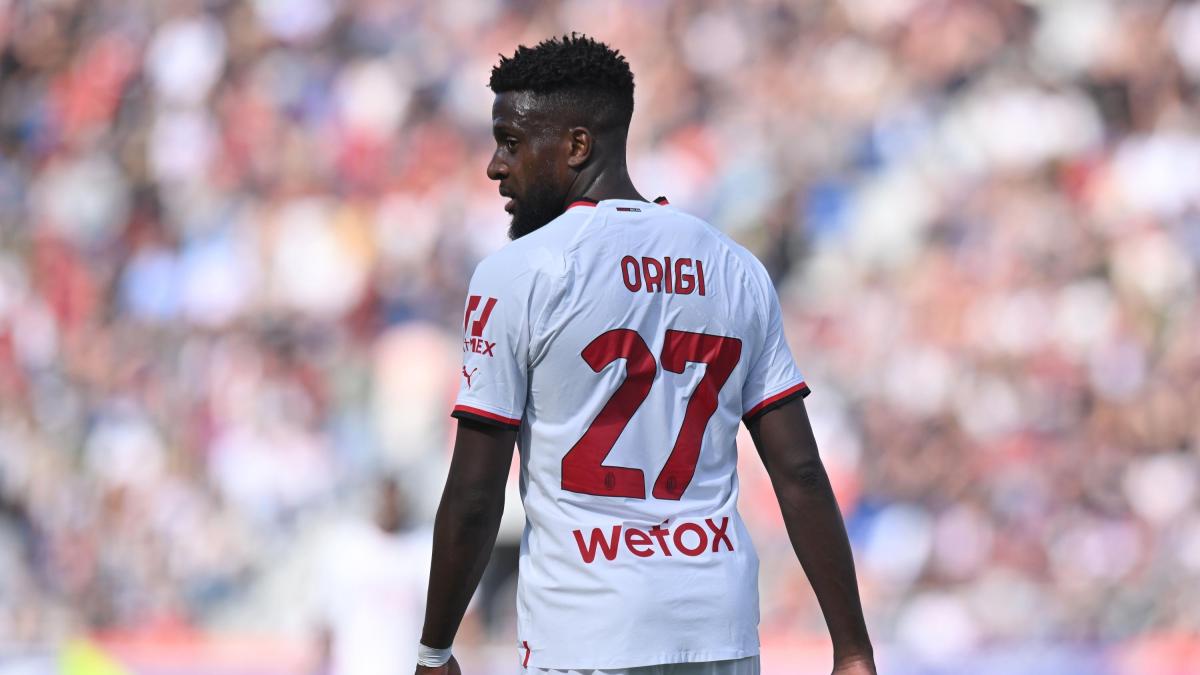
When Origi joined AC Milan in the summer of 2022 on a free transfer, there was optimism that he could replicate his Liverpool impact in Serie A. The Rossoneri fans hoped they were getting a proven big-game player, a striker who could provide crucial goals in tight matches. Instead, what followed was a spell defined by anonymity rather than impact.
At Milan, Origi never rediscovered the form that made him a cult hero at Liverpool. Injuries, loss of confidence, and tactical misfits all contributed to a miserable period in which he scored just two goals across all competitions. The sharp movement and clinical finishing that characterised his best performances seemed to desert him entirely. By the end of his time at San Siro, he had become an expensive squad player who rarely threatened to influence games.
What Went Wrong for the Belgian
Several factors contributed to Origi decline. His style of play, built around explosive bursts and instinctive finishing, required consistent game time and confidence. At Milan, he was often used as a second-choice option, never able to build the rhythm that had served him so well at Liverpool. The tactical systems under different coaches also failed to bring out his best, leaving him isolated and ineffective.
There was also the psychological dimension. Origi had always been a player who thrived on the energy of the crowd and the belief of his manager. At Liverpool, Jurgen Klopp trusted him implicitly, and that trust was repaid with crucial goals. At Milan, that trust was never fully established, and Origi began to look like a player going through the motions, waiting for a spark that never arrived.
A Legacy Beyond the Statistics
Despite the disappointment of his later years, Origi legacy should not be defined solely by his Milan period. He scored 22 goals for Liverpool in 175 appearances, many of them of enormous importance. His goal against Everton in the 2018 Merseyside derby, the late winner against Wolves, and most famously the Barcelona brace will ensure he is always remembered fondly by those who witnessed his best moments.
For Belgium, he was part of the golden generation that reached the World Cup semifinals in 2018, though his role was mostly as a squad player. The international stage never quite saw the best of him, but his contributions to Liverpool success are undeniable.
As he steps away from the game at 31, questions will remain about what might have been. A player with his physical attributes and finishing ability should have achieved more. The tale of Divock Origi is one of brilliant highs and frustrating lows, a career that burned brightly in flashes but never consistently shone.
Source attribution: Based on reporting from Gazzetta dello Sport.