IFAB Approves Sweeping Updates to Swedish Football Regulations
Swedish football is set for a significant shake-up as multiple rule changes approved by IFAB, football’s global lawmaking body, come into effect on July 1. The updates, which will apply across the Allsvenskan, Superettan, and lower divisions, aim to improve game flow, reduce time-wasting, and enhance player safety.
Fotbollskanalen has detailed the key changes that players, coaches, and fans need to be aware of before the second half of the season gets underway. The modifications represent one of the most substantial regulatory updates in Swedish football in recent years.
Player Substitution Rule: 10-Second Exit Requirement
One of the most impactful changes involves player substitutions. Any player being replaced must now leave the field within ten seconds of the substitution signal. Failure to do so will result in the substituted player receiving a yellow card. This rule, already trialled in several European leagues, targets the persistent issue of players deliberately slowing down the game during substitutions in crucial moments.
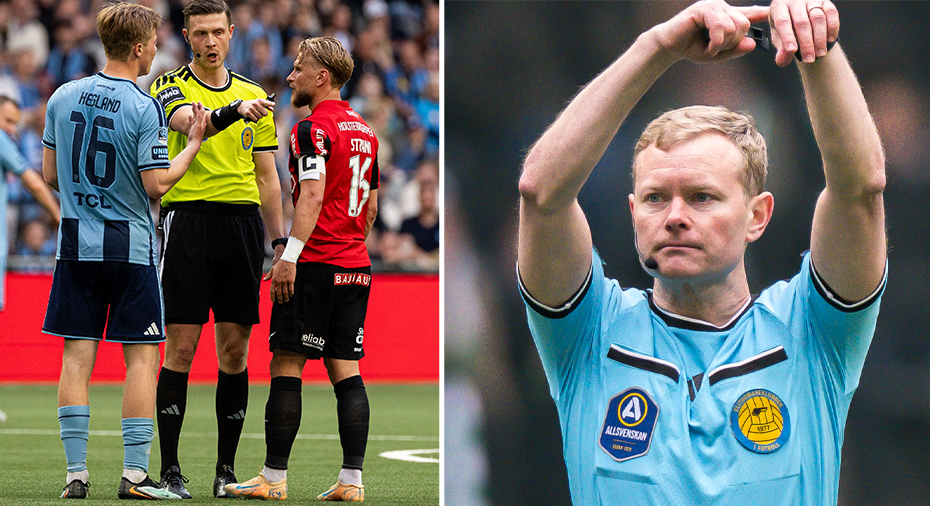
The ten-second count will be monitored by the fourth official, who will raise an electronic board to signal the start of the count. Players who leave via the nearest touchline rather than walking across the pitch will find it easier to comply, marking a cultural shift for the sport.
Goalkeeper Time Limits Tightened
Goalkeepers face stricter enforcement of the six-second holding rule. Referees have been instructed to be far more vigilant in penalising keepers who hold the ball for too long, with indirect free kicks awarded for infringements. This change is designed to counter the growing trend of goalkeepers holding possession to disrupt attacking momentum.
New Rules for Penalty Kicks and Defensive Walls
Penalty takers will no longer be permitted to stop or feint during their run-up before striking the ball. The so-called stutter-step technique has been judged to give an unfair advantage, and any violation will result in the kick being retaken only if it goes in, or an indirect free kick to the defending team if it misses.
Additionally, defensive walls at free kicks must now be at least one metre from the designated free-kick spot marker, giving attacking teams slightly more room to exploit. Defenders who encroach within this distance risk a yellow card.
Captain-Only Rule Extended
The captain-only rule, which allows only the team captain to approach the referee for discussions, has been formally extended across all Swedish competitions. Any other player approaching the referee with dissent or protest faces an immediate yellow card. The rule has already been used in international tournaments and is credited with reducing referee abuse.
Impact on the Allsvenskan Season
With the Allsvenskan season resuming after the summer break, teams will have limited time to adjust their tactics and discipline to the new rules. Clubs that adapt quickly may gain a competitive advantage, while those that struggle could concede unnecessary cards and free kicks in dangerous areas.
Swedish football authorities have promised a grace period during which referees will communicate warnings before issuing cards, but the message is clear: the era of time-wasting and persistent dissent is being actively addressed.
Source attribution: Based on reporting from Fotbollskanalen and IFAB regulatory updates.