Storm Season Collides with Football’s Biggest Stage
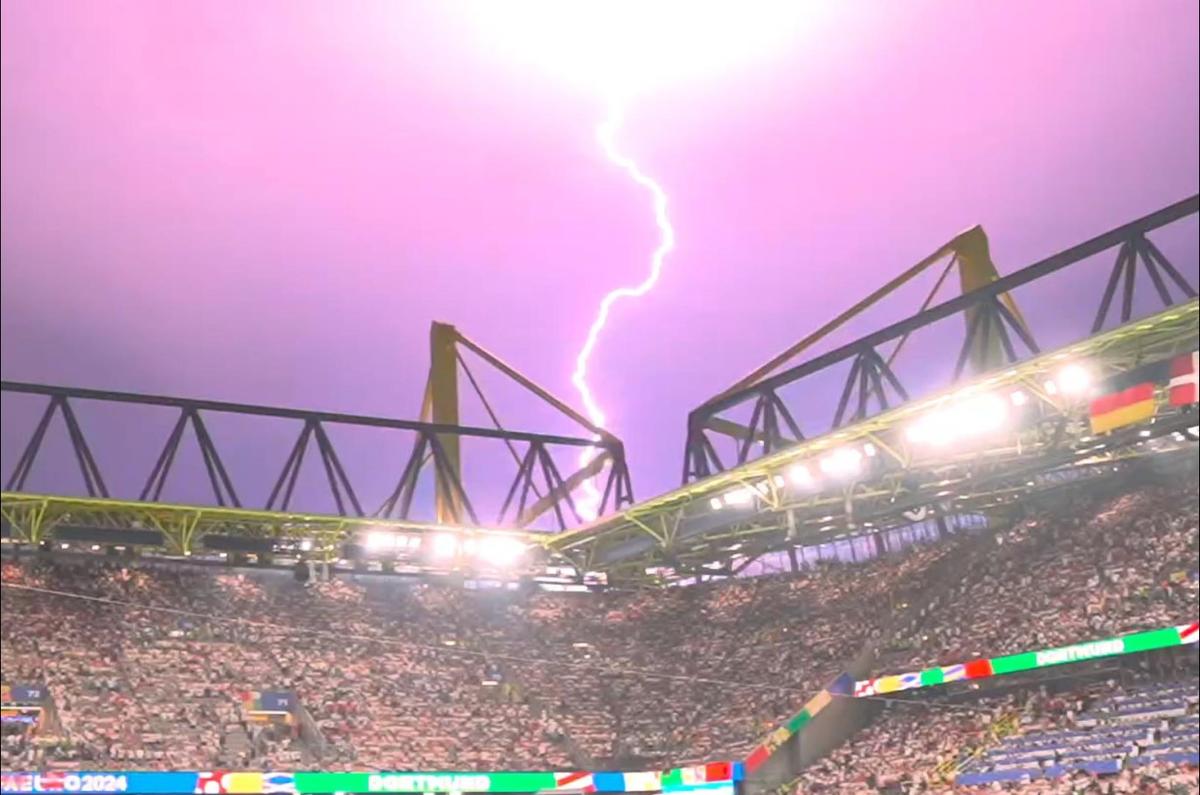
As the 2026 FIFA World Cup prepares to kick off across North America, organizers face an unexpected opponent — the summer storm season. Six cities across the United States and Mexico have been identified as high-risk zones for lightning strikes and severe thunderstorms during the tournament, raising concerns about match interruptions and spectator safety.
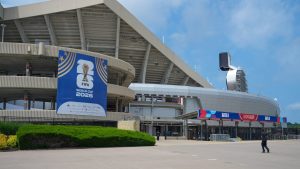
The tournament, which begins Thursday at Mexico City’s Estadio Azteca with hosts Mexico facing South Africa, takes place during peak thunderstorm season across much of the host continent. According to the Gazzetta dello Sport report, seven US cities hosting matches have recorded dangerous levels of lightning activity, with Atlanta, Boston, Dallas, Houston, Kansas City, and Miami identified as the most susceptible to weather disruptions.
Scotland’s Campaign at Particular Risk
Among the 48 nations competing, Scotland faces the most precarious schedule. Steve Clarke’s side is slated to play Haiti and Morocco in Boston before traveling to Miami to face Brazil. Both Boston and Miami rank among the highest-risk cities for lightning storms during the summer months, meaning all three of Scotland’s group-stage fixtures could be affected by adverse weather.
Mexico City and Monterrey join the list of vulnerable venues on the Mexican side of the border, with both cities entering their rainy season just as the tournament reaches its climax.
FIFA Protocol: What Happens When Lightning Strikes
FIFA does not have the authority to establish its own weather safety rules and must follow local protocols. In the United States, the National Oceanic and Atmospheric Administration (NOAA) protocol applies: all players must leave the field immediately, and fans must seek shelter indoors for a minimum of 30 minutes. The countdown resets each time lightning strikes within the vicinity.
“After the half-hour mark, supporters can return to their seats and players will warm up again,” the regulations state. “If a match is definitively called off due to unfavorable weather, FIFA will assess the situation case by case.” There is no established time limit or maximum waiting period before a match is abandoned, with priority given to ensuring the safety of everyone in the stadium.
Infrastructure Varies Across Venues
Not all stadiums face equal vulnerability. Atlanta’s Mercedes-Benz Stadium, Dallas’ AT&T Stadium, and Houston’s NRG Stadium all feature fixed or retractable roofs that can be closed during severe weather. However, several other venues lack covered seating, leaving fans exposed to the elements. This disparity has drawn criticism, particularly given UEFA’s stringent requirements for covered stands in European competitions.
“It is hard to accept that some stadiums in the USA do not have covered stands,” one observer noted, “especially when UEFA is so demanding on this point.” The issue recalls disruptions during last year’s FIFA Club World Cup, where matches were suspended for extended periods due to electrical storms.
No Room for Complacency
With 104 matches scheduled across the three host nations, even a single major storm event could create significant scheduling chaos. The tournament’s expansion to 48 teams has already compressed the calendar, leaving less flexibility for rescheduling. Organizers will be monitoring weather patterns closely, with meteorologists stationed at each venue to provide real-time guidance.
As the football world turns its attention to North America for the next month, the weather may prove to be as unpredictable — and as influential — as any of the 48 teams competing for the trophy.