Category: FIFA

  • FIFA Revokes Iranian Fans’ World Cup Tickets in Controversial Decision

    FIFA Revokes Iranian Fans’ World Cup Tickets in Controversial Decision

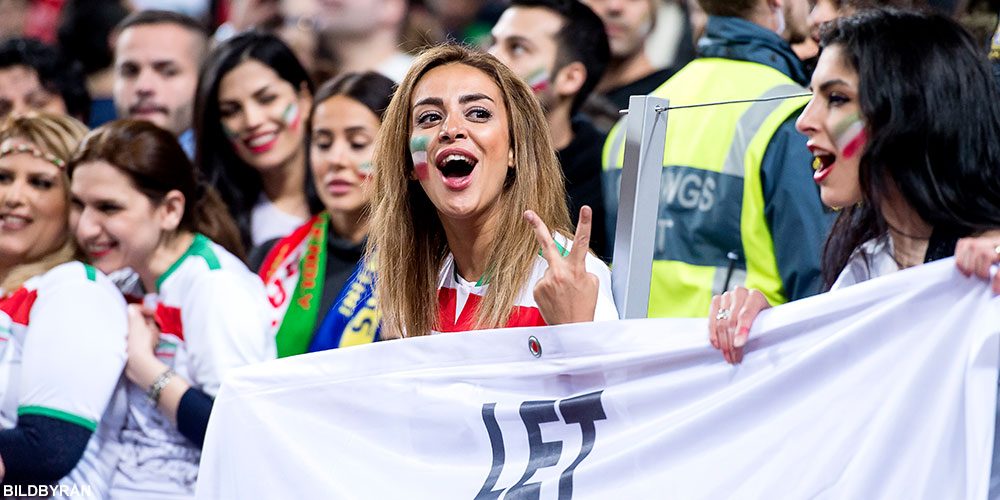
    Iranian Supporters Barred from Attending World Cup Matches

    Just weeks before the 2026 World Cup kicks off across the United States, Canada, and Mexico, FIFA has revoked the match tickets allocated to Iranian supporters, sparking outrage from the Iranian Football Federation and raising serious questions about political interference in the world’s biggest sporting event.

    Iran, who will play all their group stage matches in the United States, were preparing for their opening fixture against New Zealand on 16 June. However, the Iranian Football Federation has confirmed that FIFA has withdrawn the ticket allocation designated for their supporters — a move they describe as a violation of fundamental principles of equality between participating nations.

    A Escalating Diplomatic Tension

    The decision comes against a backdrop of complex diplomatic relations between Iran and the United States. While the Iranian players themselves were only granted entry visas to the US in recent days, the fate of their supporters has remained uncertain. Now, with the tournament imminent, FIFA has made its position clear, leaving thousands of Iranian fans without access to matches.

    “Depriving Iranian supporters of their legal access to tickets contradicts the principle of equality between participating countries,” the Iranian Football Federation stated in an official response. The federation further argued that this development raises serious concerns about “the involvement of non-sporting and political considerations in the organisation of the world’s largest football event.”

    Global Reactions and Precedents

    The move has drawn comparisons to previous instances where political tensions have spilled over into international sport. FIFA’s statutes explicitly prohibit discrimination and political interference, yet the governing body appears to have made an exception in this case, potentially setting a troubling precedent for future tournaments hosted in politically charged environments.

    Human rights organisations have also weighed in, arguing that collective punishment of fans runs counter to the spirit of the World Cup. “Football should unite, not divide,” said a spokesperson for a leading sports rights advocacy group. “Punishing ordinary fans for the actions of their government is fundamentally unjust.”

    What This Means for the Tournament

    Iran’s opening match against New Zealand will now take place in a stadium devoid of its natural support. The Iranian team, already facing immense pressure in a challenging group, must now prepare without the energy of their travelling fans. For the tournament organisers, the decision raises uncomfortable questions about security, equity, and the role of political considerations in sporting events hosted across multiple nations with varying diplomatic stances.

    As the World Cup draws closer, the Iranian ticket controversy is likely to remain a flashpoint, casting a shadow over what should be a celebration of global football.

    Source: SvenskaFans
  • Why Russia Will Be a Notable Absentee at the 2026 World Cup

    Why Russia Will Be a Notable Absentee at the 2026 World Cup

    The Biggest World Cup Ever, With One Glaring Absence

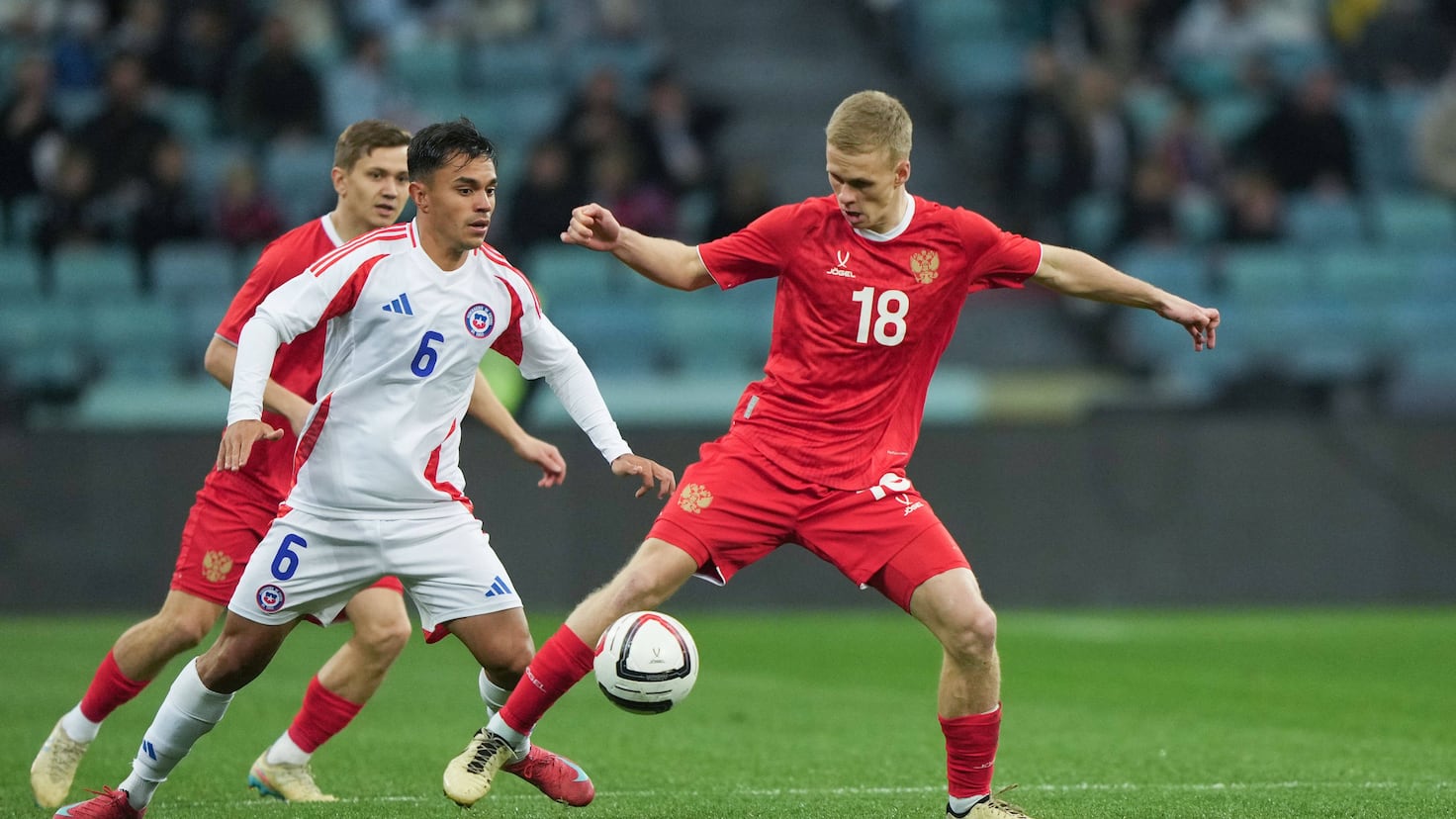
    The 2026 World Cup promises to be the most expansive in history, with 48 teams competing across three host nations for the first time. Yet despite the unprecedented scale of the tournament, one footballing nation stands out for its absence: Russia. The country that hosted the 2018 World Cup with considerable success will not be on the plane to the United States, Canada, and Mexico this summer.

    Russia has made 11 appearances at the World Cup since the tournament’s inception in 1930, seven of them as the Soviet Union, a founding member of UEFA. The nation has a proud footballing heritage, having reached the semi-finals of the European Championship and produced iconic players such as Lev Yashin, the only goalkeeper to win the Ballon d’Or.

    The Suspension Explained

    Russia’s absence stems from the ongoing suspension imposed by FIFA and UEFA following the invasion of Ukraine in February 2022. The ban, which has been upheld through multiple updates, prevents Russian national teams and clubs from participating in international competitions. The suspension covers all FIFA tournaments, including World Cup qualifying, meaning Russia was barred from the qualification process for the 2026 edition.

    FIFA’s decision followed recommendations from the International Olympic Committee and was coordinated with UEFA, which imposed similar sanctions. Despite legal challenges and appeals to the Court of Arbitration for Sport, the ban has remained in place, with FIFA citing the continued need to protect the integrity of international competition.

    How Long Will the Suspension Last?

    The duration of the suspension is not fixed and remains subject to ongoing reviews. FIFA has stated that the sanctions will remain in effect until further notice, with any potential return conditional on the normalization of the geopolitical situation. This means Russia could theoretically return for the 2030 World Cup qualifying cycle, but there is currently no timetable for reinstatement.

    For Russian football, the consequences have been severe. The national team has not played competitive matches since November 2021, limited to friendly fixtures against a shrinking pool of willing opponents. Domestic clubs have been excluded from European competitions, leading to a decline in competitive standards and financial strain across the Russian Premier League.

    Impact on Russian Football

    The isolation has had a measurable effect on Russian football development. Young players lack exposure to high-level international competition, and the nation’s FIFA ranking has slipped as a result of inactivity. Several high-profile Russian players have moved abroad to maintain competitive sharpness, but the talent pipeline faces significant disruption.

    For neutral observers, Russia’s absence is a reminder of how geopolitics continues to shape the world’s game. The 2026 World Cup will showcase 48 nations, but for Russia, the wait for a return to the global stage goes on, with no end in sight.

  • “World Cup of Chaos”: Somali Referee Omar Artan Denied US Visa, Dropped from 2026 Tournament

    A Dream Cut Short at US Immigration

    Omar Artan, the 34-year-old Somali referee who was voted Africa’s best official in 2025, will not officiate at the 2026 FIFA World Cup after being denied entry into the United States. Artan was stopped at Miami International Airport on Saturday and, after what US Customs and Border Protection described as “additional inspection,” was deemed inadmissible due to “vetting concerns.” He was subsequently put on a flight back to Istanbul.

    FIFA confirmed the decision on Tuesday, stating that Artan “will be unable to train and officiate at the FIFA World Cup 2026 after he was denied entry into the United States.” The world governing body was careful to distance itself from the decision, noting that it “is not involved in host country immigration processes, including visa adjudications.”

    The incident has sparked outrage across the football world, with former England striker Ian Wright delivering a passionate condemnation of the situation, calling it a “World Cup of chaos.”

    Who Is Omar Artan?

    Artan was set to make history as the first Somali referee to officiate at a men’s World Cup finals. His rise to the sport’s biggest stage was a remarkable story of perseverance. Born and raised in Somalia, he worked his way through the domestic league system before earning international recognition from the Confederation of African Football. In 2025, he was named CAF Referee of the Year — the first Somali to win the award — a testament to his ability and professionalism on the continent’s biggest stages.

    His presence at the World Cup was seen as an inspirational milestone for Somali football and for African refereeing as a whole. Instead, his tournament ended before it began, at a customs desk in Miami.

    The US Travel Ban and Visa Complications

    Somalia is among the countries affected by the US travel ban, which restricts entry for citizens of several predominantly Muslim nations. Artan reportedly believed he had obtained a valid visa to work in the United States as a match official. US Customs and Border Protection has not provided specific reasons for the denial beyond citing “vetting concerns.”

    The incident raises difficult questions about FIFA’s ability to guarantee access for its officials to host nations. In 2017, FIFA issued guidance to bidding countries stating that governments should “generally establish a visa-free environment or facilitate existing visa procedures” for participants and that “any visa procedures must be applied in a non-discriminatory manner.” FIFA President Gianni Infantino insisted as recently as 2025 that “everyone will be welcome in Canada, Mexico and the United States for the FIFA World Cup.” That assurance now rings hollow for Artan.

    Ian Wright’s Passionate Response

    Ian Wright, the former Arsenal and England striker, posted an emotional video on Instagram expressing his frustration. “I’ve just read that the Somalian referee has been denied entry,” Wright said. “Every few hours it’s another story, another story about fans denied, players denied, officials denied, journalists denied, now refs.”

    “Is this how the hosts behave, really, for the greatest game, the greatest tournament in the world?” Wright continued. “You know who I feel for? I feel for the American fans who are desperate for this, how embarrassed they must be. This is a World Cup of chaos. Whoever wins this World Cup is going to have to go through some serious chaos to get this done.”

    Broader Concerns Ahead of the Tournament

    Artan’s denial is the latest in a series of visa-related controversies in the build-up to the 2026 World Cup. Reports have emerged of fans, players, journalists, and now officials facing entry issues. Combined with the most expensive ticket prices in World Cup history, exorbitant accommodation costs, and logistical challenges across the three host nations, the tournament’s build-up has been overshadowed by concerns about accessibility and inclusivity.

    The Somali government has expressed its disappointment, with representative Ciise Aden Abshir stating: “Omar is among Africa’s most respected referees and deserves the support of the entire football community. Denying him entry and preventing him officiating harms not only him personally but also undermines football’s commitment to fairness, merit and the spirit of fair play.”

    FIFA has a precedent for taking action against host nations over political interference: in 2023, it stripped Indonesia of the U20 World Cup after local authorities refused to allow Israel’s youth team to participate. Whether the Artan case prompts any similar response remains to be seen.

    For Artan, who responded with characteristic grace — thanking FIFA and CAF for their support and wishing his colleagues well — the dream of officiating at a World Cup will have to wait. At 34, time is not on his side. The football world, meanwhile, is left to confront uncomfortable questions about whether the world’s biggest tournament is truly open to all.