
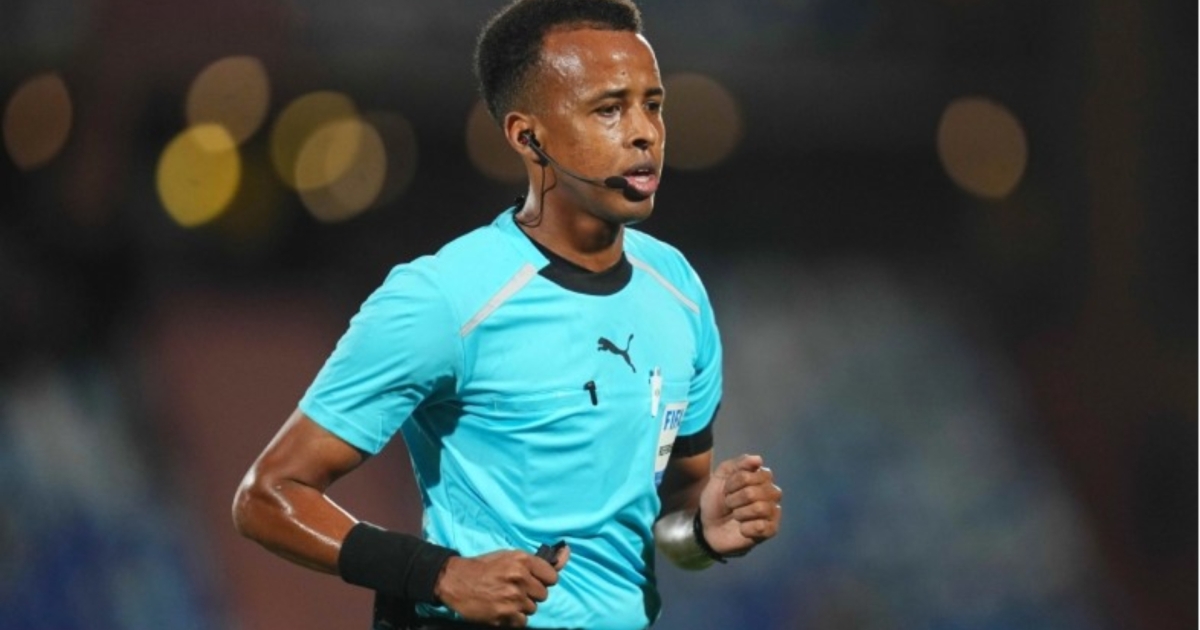
Dream Deferred at US Border
Somali referee Omar Artan had been selected by football authorities to officiate at the World Cup in the United States a lifelong dream for a man who rose through the ranks of African football officiating. But when he arrived at a US port of entry, immigration officials refused him access after an interrogation that lasted eleven grueling hours.
Artan had all his paperwork in order or so he believed. He carried the correct visa documentation and had been formally accredited by FIFA to serve as a match official during the tournament. Yet American border agents detained him for nearly half a day, questioning him extensively before ultimately denying him entry into the country.
The Somali referee was left stranded and heartbroken, watching his World Cup dream slip away not because of his performance on the pitch, but because of a border control decision that has since sparked international controversy.
FIFA Steps In
According to international news agencies including BBC Sport, FIFA has confirmed that it will pay Artans salary in full despite him being unable to fulfil his officiating duties at the tournament. The sum, while undisclosed in exact figures, represents FIFAs commitment to standing by officials who have been selected through proper channels.
A FIFA spokesperson stated that the governing body takes its responsibility toward match officials seriously and that Artan was selected through the correct procedures. The payment ensures that the referee does not suffer financially from a decision that was beyond his control.
In a remarkable show of solidarity, UEFA also appointed Artan as the referee for the European Super Cup final between Paris Saint-Germain and Aston Villa a significant honour that underscores his reputation as a capable official despite the border incident.
Global Reaction
The case has drawn widespread attention from human rights organizations and football governing bodies alike. Critics argue that the treatment of Artan reflects broader issues with US immigration policy, particularly toward nationals from African countries. Supporters of the decision, however, point to standard border security protocols.
Social media erupted with support for the Somali referee, with the hashtag JusticeForArtan trending in multiple countries. Former players, current officials, and football federations across Africa have condemned the treatment of Artan, calling for a review of how accredited FIFA officials are processed at US ports of entry.
The incident also raises questions about the vetting process: if FIFA had approved Artan as a match official, why were US border authorities not pre-informed or prepared to process him efficiently? The eleven-hour interrogation suggests a breakdown in communication between football authorities and US immigration services.
What Happens Next
Artan will now take up his Super Cup assignment in Europe while FIFA works through diplomatic channels to resolve the situation. It remains unclear whether he will be able to officiate at future World Cup matches held in the United States, or whether this incident has permanently blocked his path to American soil.
For now, FIFAs decision to pay his full salary sends an important message: that the governing body will protect its officials when external circumstances beyond their control intervene. But the broader question of how African football officials are treated at Western borders remains an open wound that this incident has brought into sharp focus.