Tag: World Cup 2026

  • Croatia at the 2026 World Cup: Never Count Out the Vatreni

    Croatia at the 2026 World Cup: Never Count Out the Vatreni

    A Legacy of Defying Expectations

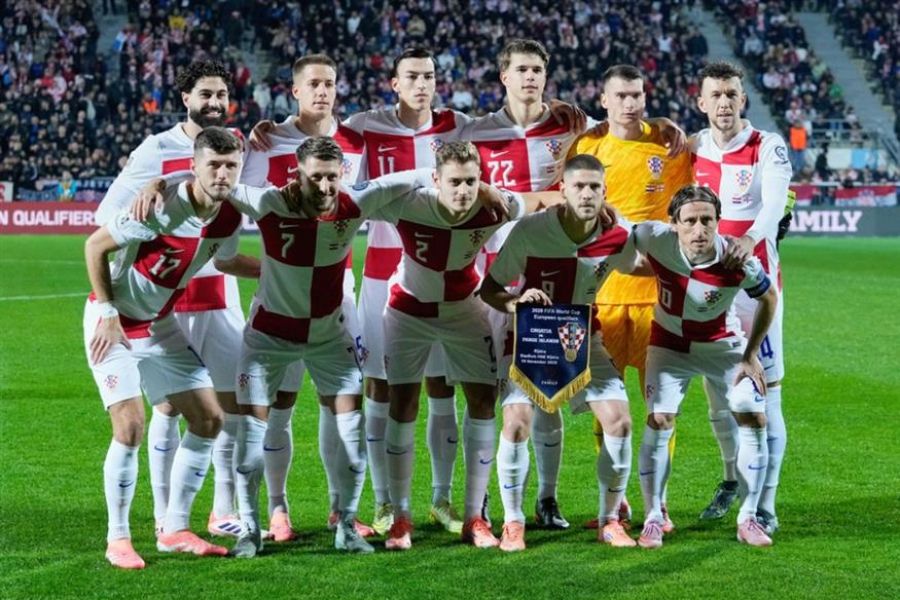
    Croatia have earned a reputation as the tournament team that refuses to follow the script. Since their extraordinary run to the final in Russia in 2018, followed by a third-place finish in Qatar 2022, the Vatreni have proven that size and population bear little relation to footballing achievement. As they prepare for the 2026 FIFA World Cup, the question is not whether they can compete — it is whether they can summon one more deep run from a generation that keeps defying logic.

    The Croatian football story is one of sustained excellence from a nation of just under four million people. From the golden generation of Davor Suker and Robert Prosinecki in 1998 to the modern era led by Luka Modric, the thread of technical quality, tactical intelligence, and sheer resilience runs through every iteration of this team.

    The Modric Question

    No discussion of Croatia is complete without addressing the elephant in the room: Luka Modric. The Real Madrid legend, now in his late thirties, remains the orchestrator of everything Croatia do. His ability to control the tempo of a match, to find passing lanes that others cannot see, and to produce defining moments in high-pressure situations is unmatched in the current squad.

    But Croatia can no longer rely solely on Modric magic. The supporting cast has evolved around him. Mateo Kovacic has grown into a reliable midfield partner capable of driving forward with the ball. Josko Gvardiol, one of the most complete defenders in world football, anchors the back line and provides an attacking outlet from left-back. The emergence of younger talents in midfield and attack has also eased the creative burden on the veteran captain.

    Tactical Strengths and Weaknesses

    Croatia trademark under manager Zlatko Dalic has been midfield control. The 4-3-3 formation packs the centre of the pitch with technicians who can keep the ball under pressure and break opposition lines with incisive passing. This approach has proven particularly effective in knockout football, where patience and composure often outweigh chaotic energy.

    However, the team has vulnerabilities. The pace of the defensive line has been a concern, particularly against teams that counter-attack with speed. Croatia has also at times struggled to break down deep-lying defences when required to take the initiative — a problem that surfaced during the 2022 group stage. The attacking output from the forward positions remains inconsistent, with the team often relying on midfielders to contribute goals.

    Group Stage and Knockout Prospects

    Croatia group draw presents a manageable but tricky challenge. They will face opponents who are well-organised and physically robust, demanding that the Vatreni impose their technical superiority from the opening whistle. The first match will be crucial — a slow start could force them into must-win scenarios earlier than planned.

    Should Croatia navigate the group, they possess the knockout tournament experience that few teams can match. The 2018 run saw them win three consecutive knockout matches that went to extra time, including two penalty shootouts. That resilience is not coincidental — it is a reflection of a football culture that produces players who thrive in high-stakes environments.

    The path to the later stages is demanding. Croatia bracket likely includes some of the tournament favourites, meaning they cannot afford an off-day in the round of 16. But if they reach the quarterfinals, the experience advantage begins to tilt in their favour.

    Realistic Expectations

    A quarterfinal finish would represent a solid tournament for this Croatia side. A semifinal run would be an extraordinary achievement that cements this generation as the greatest in the nation history. Anything beyond that would rival the 2018 run as one of the great underdog stories in World Cup history.

    One thing is certain: Croatia will not be afraid. They have faced the best the world has to offer and have more than held their own. The Vatreni have earned the right to be taken seriously, and in 2026, they will once again be the team that nobody wants to face in a knockout tie.
  • Germany at the 2026 World Cup: Can Die Mannschaft End a Decade of Drought?

    Germany at the 2026 World Cup: Can Die Mannschaft End a Decade of Drought?

    A Nation Awaits

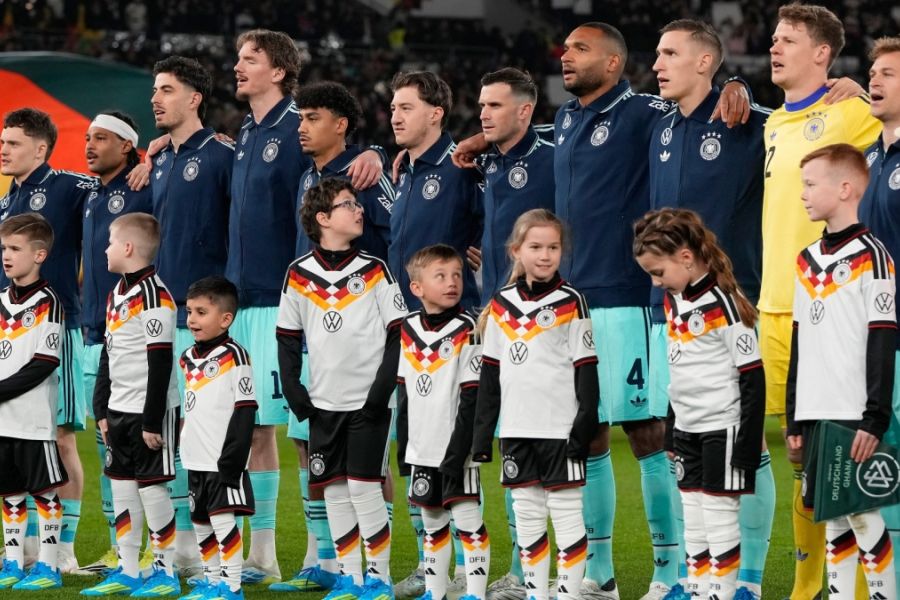
    Germany head into the 2026 FIFA World Cup carrying the weight of a decade without a major tournament triumph. Since lifting the trophy in Brazil in 2014, Die Mannschaft have endured group-stage exits in 2018 and 2022, along with round-of-16 elimination at Euro 2020 and a disappointing quarterfinal bow at Euro 2024 on home soil. For a nation that has reached at least the semifinals in 13 of its 20 previous World Cup appearances, this drought represents an unfamiliar and uncomfortable reality.

    Yet there are signs of renewal. The squad travelling to North America features a blend of seasoned campaigners and an exciting wave of young talent emerging from the Bundesliga. Manager Julian Nagelsmann has built a system that prioritises high pressing, quick transitions, and positional fluidity — a style that mirrors the modern game and suits the raw materials at his disposal.

    The New Generation

    Germany is no longer the tournament favourite it once was, but that status may work in its favour. The current generation lacks the aura of the 2014 champions — no Mller, no Neuer, no Kroos — but it compensates with hunger and tactical discipline. Players like Jamal Musiala, Florian Wirtz, and Nico Schlotterbeck have all matured considerably since the last World Cup, and they now carry the creative burden.

    Musiala, in particular, has evolved into one of the most dangerous dribblers in world football. His ability to operate in tight spaces and unlock defences with a single turn of direction makes him Germany most unpredictable weapon. Alongside Wirtz, who has flourished as a central playmaker for Bayer Leverkusen, Germany possess the kind of technical talent that can unsettle even the most organised defences.

    Tactical Identity

    Nagelsmann approach blends elements of the traditional German philosophy — structure, physicality, efficiency — with modern positional play. The defensive line pushes high, the fullbacks invert into midfield, and the front four rotate positions to create mismatches. It is a demanding system that requires every outfield player to be comfortable on the ball, but when it functions correctly, Germany can dominate possession and territory against any opponent.

    The question mark remains at centre-forward. Germany has not produced a world-class number nine since Miroslav Klose retired. The current options are capable but unspectacular, relying on service rather than creating chances independently. If the creative midfield can supply the required output, the goals will come by committee.

    Group Stage Path

    Germany group draw places them against opponents that will test both their defensive organisation and their ability to break down compact blocks. The opening fixtures will be critical — a slow start could recreate the anxiety that paralysed the team in 2018 and 2022. If Nagelsmann side can secure maximum points from the first two matches, the momentum could carry them deep into the knockout rounds.

    The knockout bracket on their side of the draw includes several traditional powers, meaning there are no easy routes. Germany will likely need to beat at least one tournament heavyweight to reach the quarterfinals. Their recent record in high-stakes knockout matches is mixed at best, and this tournament will test whether the mental fragility of the past decade has been overcome.

    The Verdict

    Few pundits are picking Germany to win the World Cup. The betting markets place them behind Brazil, Argentina, France, and England. But that underestimation could be precisely what this squad needs. The 2010 team was similarly written off before a young, vibrant squad captured the world imagination. The 2026 version has the same potential — if the talent translates to the biggest stage.

    Whether Germany can end its decade-long wait for silverware remains to be seen. What is certain is that this team will not go quietly. A quarterfinal or semifinal appearance feels achievable. Beyond that, the World Cup has a habit of producing surprises, and few nations know that better than Germany.

  • Serie A Club Genoa Chase Mjallby Star Elliot Stroud Ahead of World Cup

    Serie A Club Genoa Chase Mjallby Star Elliot Stroud Ahead of World Cup

    Swedish Winger Attracting Italian Interest

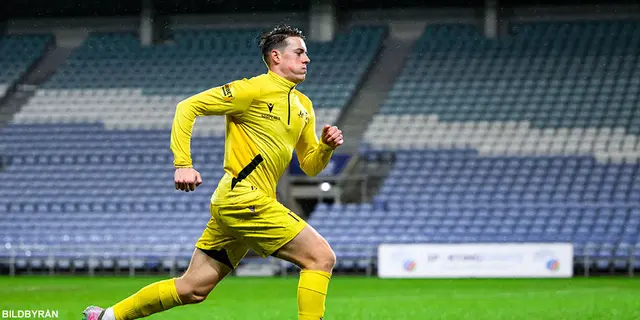
    Mjallby AIF winger Elliot Stroud has emerged as a transfer target for Serie A side Genoa, with the Italian club preparing to make a move for one of Allsvenskan most standout performers. The 22-year-old, who is part of the Sweden squad for the 2026 World Cup, has caught the attention of multiple Italian clubs following a stellar season in Sweden.

    Genoa, who finished 16th in Serie A last season under the management of club legend Daniele De Rossi, are looking to rebuild their squad with young, dynamic talent. The Grifone have identified Stroud as a player who fits their tactical requirements and long-term vision.

    A Season to Remember

    Stroud has been instrumental in Mjallby remarkable campaign, which saw the club win the Allsvenskan title and sit top of the Svenska Cupen. His performances on the wing have combined direct dribbling, intelligent movement, and a consistent goal threat that has made him one of the most sought-after players in Swedish football.

    The emergence of Stroud from relative obscurity to the Sweden World Cup squad has been one of the stories of the season. Previously with IK Oddevold, he has developed rapidly at Mjallby, and his form earned him a call-up to the national team for the tournament in the United States, Canada, and Mexico.

    Stroud Speaks on His Future

    Speaking to Fotbollskanalen about the transfer speculation, Stroud was measured in his response. My main focus is the World Cup. After the tournament, I will see what happens. It is not something I am focusing on or that takes focus away from this task. We will see. You cannot decide anything in advance in football, he said.

    However, the winger made clear his ambitions extend beyond Allsvenskan. Of course, I feel ready to try something new. We will see whether it happens this summer, in the winter, or in two years. I am enjoying myself at Mjallby. But I have ambitions to play at the highest possible level, and I feel I am ready to take the next step.

    Genoa Fit and Swedish Connection

    One factor that makes Genoa an attractive destination is the tactical alignment. Mjallby operate in a 3-5-2 formation, the same system that De Rossi employs at Genoa. This means Stroud would not need to adapt to a fundamentally different tactical structure, potentially easing his transition to Italian football.

    Furthermore, Genoa already have a Swedish presence in the squad. Nils Zatterstrom, on loan from Sheffield United, has been a regular contributor this season. The existing Swedish connection could prove valuable in helping Stroud settle into a new league and country.

    With the World Cup set to begin, the immediate priority for Stroud is representing Sweden on the global stage. But behind the scenes, the groundwork is being laid for what could be a significant move to Serie A once the tournament concludes.

  • Scaloni Has Decided: Who Will Replace Balerdi in Argentina World Cup Squad

    Scaloni Has Decided: Who Will Replace Balerdi in Argentina World Cup Squad

    Decision Made but Not Yet Announced

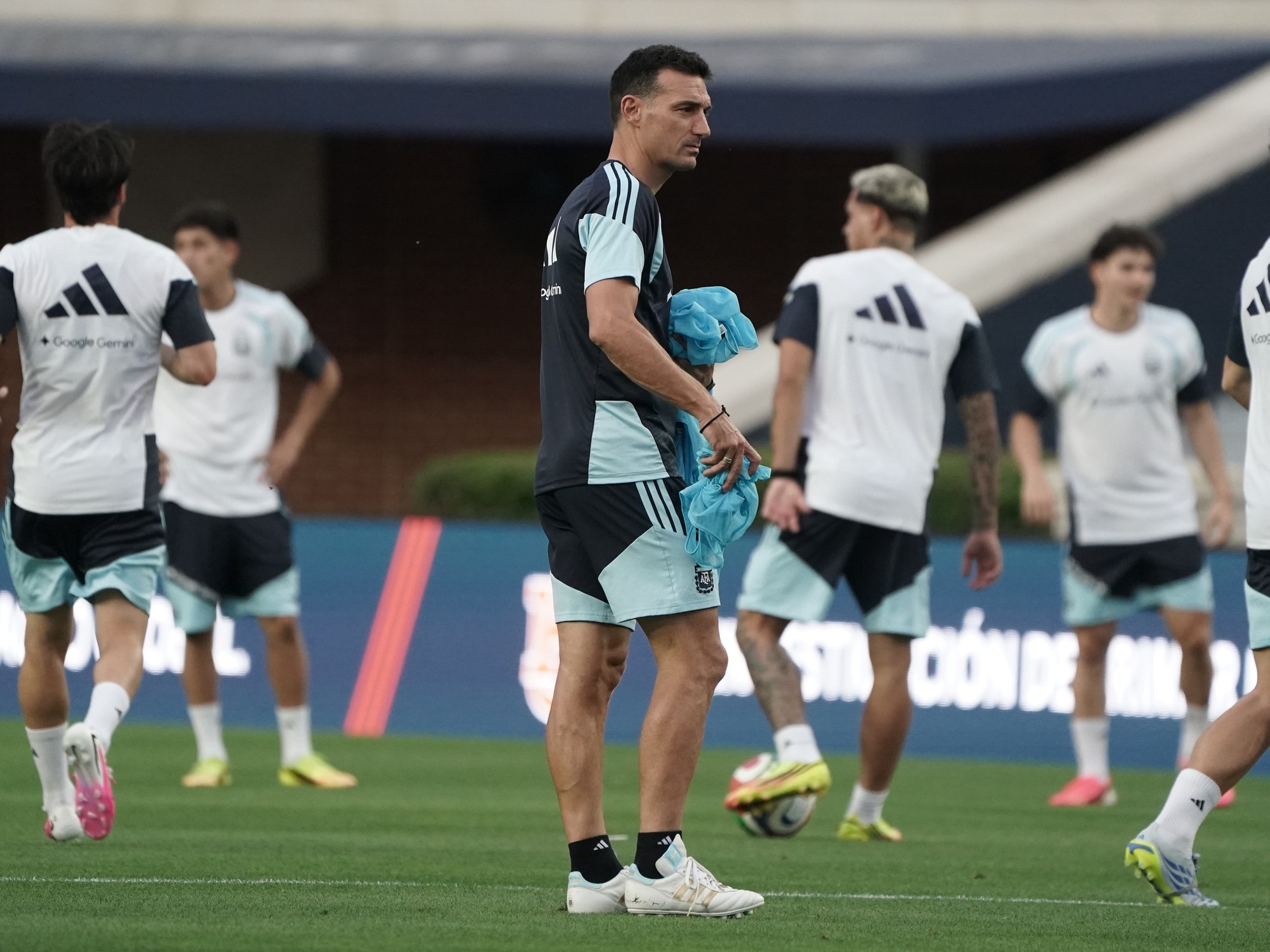
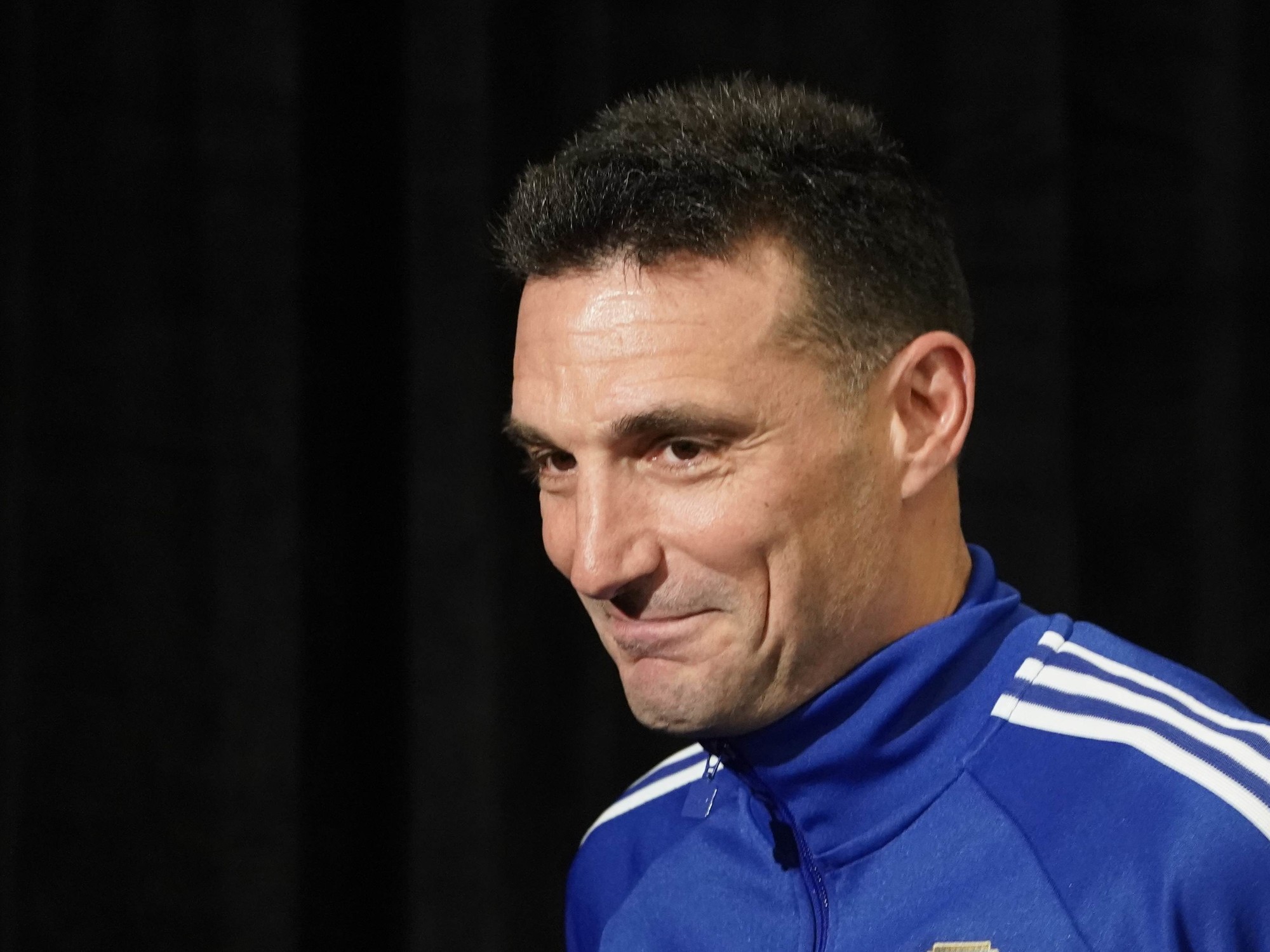
    Argentina manager Lionel Scaloni has already made up his mind regarding who will replace the injured Leonardo Balerdi in the 26-man World Cup squad, but he is keeping the decision close to his chest until after the friendly against Iceland. The announcement is expected on Wednesday, June 10, giving the chosen player time to join the squad in Kansas.

    Balerdi was ruled out of the tournament due to an injury sustained during preparations, forcing Scaloni to reshape his plans just days before Argentina World Cup opener against Algeria on June 17. The defending champions are looking to retain the crown they won so memorably in Qatar in 2022.

    A Tactical Choice: Defender or Midfielder

    The most intriguing aspect of Scaloni deliberation is that he is not looking to replace Balerdi with another centre-back. The Argentina boss believes his defensive options are already sufficiently covered with Cristian Romero, Lisandro Martinez, Nicolas Otamendi, Facundo Medina, and Nicolas Tagliafico all available.

    Instead, the focus has shifted to reinforcing the midfield, specifically to add a defensive-minded holding midfielder — a five de marca as it is known in Argentine football. Since the 2024 Copa America, Scaloni has been searching for a specialist in this role, having tried Enzo Barrenechea, Anibal Moreno, Alan Varela, Nicolas Dominguez, and Maximo Perrone without settling on a permanent solution.

    The Leading Contenders

    The most notable name in contention is Guido Rodriguez, the 32-year-old defensive midfielder who was part of Argentina triumph in Qatar and played a key role in the four titles of the Scaloni era. Currently on loan at Valencia from West Ham, Rodriguez has enjoyed a strong second half to the season, scoring four goals in 17 appearances and accumulating 1,309 minutes. He has not been called up since September 2024, but his experience in the system makes him a compelling option.

    Maximo Perrone and Nicolas Dominguez, both already on the 55-man reserve list, represent the more continuity-focused choices. Both players are familiar with Scaloni methods and have been integrated into the setup during previous camps.

    The alternative route being considered is Agustín Giay, the 22-year-old Palmeiras full-back who impressed during the recent friendlies. Giay versatility as a right-sided defender who can also operate as a stopper has caught the eye of the coaching staff. His prospects depend heavily on the fitness assessment of Gonzalo Montiel and Nahuel Molina, both recovering from recent injuries.

    Paredes Injury Complicates Matters

    The situation is further complicated by Leandro Paredes injury. The Roma midfielder, who has been Argentina primary defensive screen, is dealing with a hamstring strain that makes him doubtful for the group stage opener. This injury has amplified the need for a dedicated holding midfielder in the squad, strengthening the case for Rodriguez recall.

    Regulatory Timeline

    FIFA regulations give Argentina until Monday, June 15 — one day before their first match — to finalise the 26-man squad. The governing body has already been notified and verified Balerdi injury. Any subsequent injuries must also be reported to the FIFA medical department. This timeline gives Scaloni the flexibility to wait until after the Iceland friendly to confirm his choice.

    As the hours tick down, the football world waits to see whether Scaloni opts for the proven experience of Guido Rodriguez, the emerging promise of Maximo Perrone, or the tactical flexibility of Agustín Giay.

  • Elliot Stroud Puts Transfer Speculation on Hold During World Cup

    Elliot Stroud Puts Transfer Speculation on Hold During World Cup

    Mjällby Star Attracts European Interest

    Elliot Stroud has emerged as one of the most sought-after talents in Swedish football, with the Mjällby midfielder attracting attention from clubs across Europe. However, the 22-year-old has made it clear that his priority is the upcoming World Cup, and he has instructed his agent to put any potential transfer discussions on hold until after the tournament.

    Stroud has been a standout performer for Mjällby in the Allsvenskan, and his performances have not gone unnoticed. Serie A club Genoa has been strongly linked with a move, while clubs from other European leagues have also registered their interest. The Swedish international is aware of the attention but remains focused on representing his country at the highest level.

    Agent Given Clear Instructions

    Speaking from the Sweden training camp in Dallas, Stroud revealed that he has given his agent firm directives regarding his future. Unless something truly exceptional arrives, he wants the transfer business to wait until after the World Cup. This disciplined approach reflects a player who understands the importance of focusing on the task at hand.

    Stroud acknowledged the interest from abroad but emphasized that his mind is firmly on the World Cup. He described the prospect of playing in the tournament as a dream come true and said he does not want distractions to affect his preparation or performance. The midfielder feels he is ready to take the next step in his career but believes the timing must be right.

    World Cup as a Shop Window

    The World Cup has historically served as a platform for players to showcase their talents on the global stage, and Stroud is fully aware that a strong tournament could elevate his profile significantly. A series of impressive performances in the United States, Canada, and Mexico could attract even more suitors and potentially drive up the transfer fee for any club looking to secure his services.

    Mjällby has held firm on their valuation of the midfielder, having already rejected several approaches in previous transfer windows. The club recognizes that they have a special talent on their hands and are prepared to wait for the right offer. Stroud value could increase substantially if he performs well at the World Cup, making the club patience a potentially lucrative strategy.

    Sweden World Cup Ambitions

    Sweden enters the tournament with a blend of youth and experience, and Stroud is seen as a key component of the midfield. His energy, passing range, and ability to break up play make him a valuable asset in the engine room. The team has been training intensively in Dallas and is building chemistry ahead of their opening group match.

    For Stroud, the coming weeks represent both a personal and professional milestone. Whether he returns to Mjällby after the World Cup or secures a move to one of Europe bigger leagues will depend on how he performs on the biggest stage. For now, the focus is purely on football and representing Sweden with pride.

  • Lucas Bergvall Shifts Focus to World Cup After Tough Tottenham Season

    Lucas Bergvall Shifts Focus to World Cup After Tough Tottenham Season

    A Season to Forget at Spurs

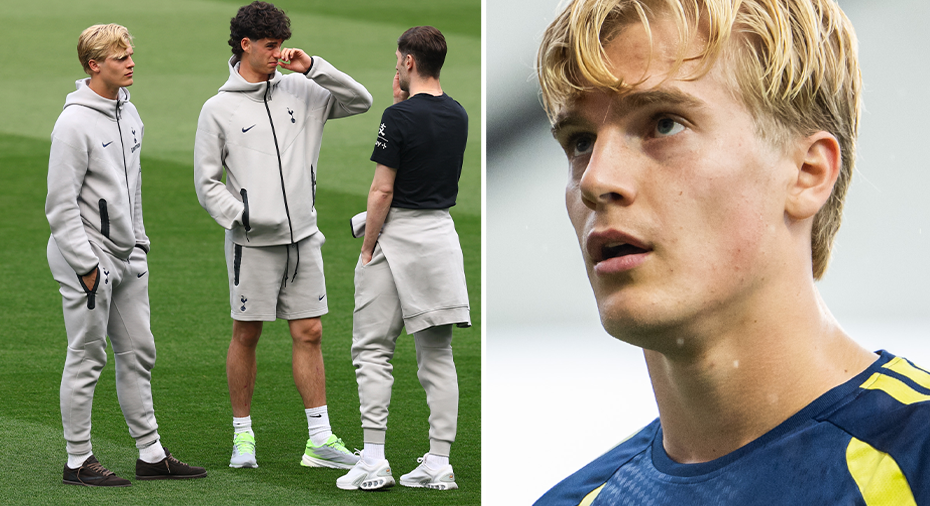
    Lucas Bergvall has admitted that his first full season at Tottenham Hotspur was a difficult one, as the 20-year-old Swedish midfielder now turns his attention to representing his country at the 2026 World Cup. Spurs narrowly avoided relegation from the Premier League, surviving by the skin of their teeth on the final day of the campaign.

    The Sweden international saw limited game time under manager Roberto De Zerbi during the run-in, with the Italian tactician preferring more experienced options in the midfield engine room as the club fought for its top-flight survival. Bergvall found himself on the periphery during the most critical phase of the season, watching from the bench as his teammates battled to secure the points needed to stay up.

    Bergvall Speaks on Limited Role

    When asked about De Zerbi decision to restrict his minutes, Bergvall took a diplomatic stance. He expressed trust in the manager judgment and said he believes the coach always picks the best team to win matches. The young midfielder insisted he is happy to have helped the team survive, even if his contribution on the pitch was limited in the final weeks.

    It was a tough season for me and the team, with injuries and other challenges, Bergvall reflected. It is nice to turn the page now and focus on the World Cup. Despite the lack of regular football at club level, the Swedish playmaker feels he is in good physical condition heading into the tournament.

    Sweden World Cup Preparations

    Bergvall has joined up with the Sweden squad in Dallas as they finalize their preparations for the World Cup in the United States, Canada, and Mexico. The Scandinavian side is looking to make a deep run in the competition, and Bergvall creativity and vision in midfield could prove vital for Janne Andersson side.

    Sweden has a proud World Cup tradition, having reached the final on home soil in 1958 and finishing third in 1994. The current squad blends experienced campaigners with exciting young talents like Bergvall, and there is a quiet optimism surrounding their chances of progressing beyond the group stage.

    The Tottenham man acknowledged that the grueling Premier League season has taken its toll, but he is eager to put that behind him and make his mark on the biggest stage in football. The World Cup represents an opportunity for Bergvall to remind the football world of his undoubted potential after a challenging campaign in North London.

    Future Beyond the World Cup

    Speculation about Bergvall future at Tottenham has been persistent, with several European clubs reportedly monitoring his situation. However, the midfielder insists that his sole focus is on the World Cup and that transfer talk is not something he is entertaining at this moment. His agent has been instructed to keep any potential moves on hold until after the tournament.

    For now, Bergvall is fully immersed in the Sweden camp, determined to make the most of his opportunity on football greatest stage. A strong World Cup performance would not only boost his nation chances but also reaffirm his status as one of Europe most exciting midfield prospects.

  • Scotland John McGinn Fires Back at Norway: They Would Have Done the Same

    Scotland John McGinn Fires Back at Norway: They Would Have Done the Same

    World Cup Banter Heats Up

    John McGinn has delivered a pointed response to criticism from the Norwegian camp, insisting that Scotland would have reacted the same way had the roles been reversed. The Scotland captain comments come after Norway officials criticised Scotland approach to their recent World Cup warm-up matches, labelling the Scots as unprofessional in their preparation.

    The war of words began when Norway head coach publicly questioned Scotland intensity and focus during pre-tournament friendlies. McGinn, never one to shy away from a verbal exchange, was quick to defend his teammates and hit back at what he sees as unnecessary criticism from opposing camps.

    McGinn Defence

    Speaking to reporters at Scotland training base, McGinn did not hold back: They would have done exactly the same thing if they were in our position. Every team prepares differently, and what works for one may not work for another. To call us unprofessional is disrespectful, especially from a team that knows how intense tournament preparation can be.

    The Aston Villa midfielder, who has been a driving force for Scotland in recent years, pointed out that Scotland have earned their place at the World Cup through consistently strong performances in qualifying. The team has developed a reputation for resilience and team spirit, qualities that McGinn believes will serve them well in the tournament.

    Behind the Exchange

    The tension dates back to comments made by Norway sporting directors and coaching staff after Scotland defeated Norway in a friendly several weeks ago. Norwegian media picked up on what they perceived as excessive celebrations from the Scotland camp, leading to claims that the Scots were treating the game as more important than it was.

    Scotland manager Steve Clarke has taken a more measured approach, choosing not to engage directly with the criticism but making it clear that his team will not be distracted by external noise. The Scotland camp is fully focused on their World Cup campaign, with the group stage representing the nation first appearance at the tournament since 1998.

    Scotland World Cup Prospects

    Scotland enter the World Cup with cautious optimism. The squad features a strong core of Premier League and Championship players, with McGinn, Andy Robertson, and Kieran Tierney providing leadership and quality across the pitch. The team qualifying campaign demonstrated an ability to compete with higher-ranked nations, including impressive results against Spain and Georgia.

    The draw has placed Scotland in a challenging but not insurmountable group. Clarke tactical discipline and the team collective spirit have been identified as key factors that could help Scotland exceed expectations. McGinn form will be particularly crucial, as his driving runs from midfield and eye for goal have been central to Scotland attacking threat.

    As the World Cup approaches, the exchange with Norway may ultimately prove to be a useful motivational tool. Scotland have often performed best when written off or when they feel they have something to prove. McGinn response suggests the team is ready to channel any criticism into positive energy on the pitch.

  • Sweden Hit by Pre-World Cup Blow as Gabriel Gudmundsson Falls Ill in Dallas

    Sweden Hit by Pre-World Cup Blow as Gabriel Gudmundsson Falls Ill in Dallas

    Injury Scare Before Tunisia Clash

    Sweden preparations for the 2026 World Cup have been dealt an unexpected setback, with left wing-back Gabriel Gudmundsson falling ill just three days before the team opening match against Tunisia. The Lille defender was absent from Tuesday training session and remained at the team hotel in Dallas with mild symptoms, leaving coach Jon Dahl Tomasson with a significant selection concern.

    The Swedish Football Federation confirmed the news through press chief Petra Thoren, who stated that Gudmundsson was experiencing light illness symptoms but had not been isolated from the rest of the squad. The nature of the symptoms was not disclosed, leaving some uncertainty about whether the 25-year-old will be available for the crucial Group H opener on June 15.

    Key Player for Sweden System

    Gudmundsson has become an integral part of Tomasson tactical setup in recent months. Operating as a left wing-back in Sweden preferred 3-4-3 formation, he provides both defensive solidity and attacking width. His ability to cover the entire left flank has been a key feature of Sweden approach, allowing the team to transition quickly from defence to attack.

    Having spent the past two seasons at Lille in Ligue 1, Gudmundsson has developed into a reliable performer at the European level. His experience in French football has sharpened his defensive awareness while his natural athleticism makes him a constant threat on the overlap. Losing him for the World Cup opener would force Tomasson into a tactical reshuffle.

    Sweden World Cup Ambitions

    Sweden enter the tournament with realistic hopes of progressing beyond the group stage. Drawn alongside Tunisia, European powerhouses, and another qualifier, the Scandinavian side will rely on their trademark organisational discipline and physical approach. The team has built a reputation for being difficult to break down, with a strong defensive structure complemented by quick counter-attacking threats.

    The squad features a blend of experienced players and emerging talent, with several individuals plying their trade in top European leagues. The fitness of every player will be crucial in a tournament where the margin between success and failure is often measured in fine details.

    Next Steps for Gudmundsson

    The Swedish medical staff will monitor Gudmundsson condition closely over the next 48 hours. If his symptoms clear quickly, there is still a realistic chance he could feature against Tunisia. However, the team will also prepare contingency plans, with alternative options being considered for the left wing-back role.

    Tomasson will address the situation in his pre-match press conference, where more clarity on Gudmundsson availability is expected. For now, Sweden fans will be hoping for positive news as their team finalises preparations for what promises to be a challenging World Cup campaign.

  • Guido Rodriguez Emerges as Leading Candidate to Replace Balerdi in Argentina World Cup Squad

    Guido Rodriguez Emerges as Leading Candidate to Replace Balerdi in Argentina World Cup Squad

    Scaloni Closing in on a Decision

    Lionel Scaloni is expected to announce his decision within the next 48 hours on who will replace the injured Leonardo Balerdi in Argentina 26-man squad for the 2026 World Cup. And according to sources close to the Argentina camp, Guido Rodriguez has emerged as the leading candidate to fill the vacancy, staging a remarkable comeback to international contention after nearly two years out of the national team setup.

    The 32-year-old Valencia midfielder, who was a key figure in Argentina run to the 2022 World Cup title and their subsequent Copa America triumphs, has not played for La Albiceleste since June 2024. However, his outstanding form since joining Valencia on loan from West Ham United in January has forced Scaloni and his coaching staff to take a serious second look.

    A Resurgent Season in La Liga

    Rodriguez transformation at Valencia has been nothing short of remarkable. After struggling for game time at West Ham in the first half of the season, the defensive midfielder moved to Mestalla in January and became an instant fixture in the starting eleven. He played the full 90 minutes in 13 of his 17 appearances, contributing four goals including a memorable double against Celta Vigo and strikes against Real Sociedad and Barcelona.

    His passing accuracy of 87 per cent and his ability to break up opposition attacks made him a crucial figure as Valencia climbed away from relegation trouble to finish ninth in La Liga. The turnaround at the club coincided with Rodriguez presence in the side, and his performances did not go unnoticed by the Argentina coaching staff, who have been monitoring his progress closely.

    Tactical Considerations

    The decision to favour Rodriguez reflects a specific tactical assessment by Scaloni. With Leandro Paredes still recovering from a hamstring injury and not yet fully fit, Argentina lack a pure defensive midfielder in the squad. The other midfielders available, including Rodrigo De Paul, Exequiel Palacios, Enzo Fernandez, Giovani Lo Celso, and Alexis Mac Allister, are all more box-to-box or creative profiles.

    Rodriguez would provide the defensive screen that allows Argentina attacking talents to flourish, a role he performed expertly during the 2022 World Cup campaign. His ability to also drop into the defensive line if needed adds versatility that Scaloni values highly in tournament football, where squad depth is tested across multiple matches in quick succession.

    The Alternative: Agustin Giay

    The alternative option remains Agustin Giay, the 22-year-old Palmeiras defender who featured in both of Argentina recent friendlies against Iceland. Giay versatile profile, capable of playing as a right-sided stopper or full-back, appeals to Scaloni, but his limited experience at senior international level counts against him. With Nahuel Molina and Gonzalo Montiel both available at right-back, the need for an additional defender is less acute than the need for midfield balance.

    What This Means for Argentina

    If Rodriguez is called up, it would be a heartwarming story of resilience and redemption. A player who looked to have played his last game for Argentina less than a year ago has fought his way back into contention through sheer weight of performances at club level. His presence in the squad would give Scaloni a proven tournament winner who knows the system intimately and can be trusted in high-pressure moments.

    Argentina enter the World Cup as defending champions, carrying the weight of expectation that comes with that status. Having a battle-hardened, tactically disciplined midfielder like Rodriguez in the squad could prove decisive in the tight matches that define knockout football. The final decision will come from Scaloni in Kansas, and all signs point to Guido Rodriguez getting the call.

  • USA Host Senegal in Final World Cup 2026 Tune-Up Under Pochettino

    USA Host Senegal in Final World Cup 2026 Tune-Up Under Pochettino

    Preparations Intensify

    The United States Men’s National Team faces Senegal in their final warm-up fixture before the 2026 FIFA World Cup, with head coach Mauricio Pochettino using the match to finalise his starting eleven and tactical approach for the tournament opener. The match, hosted on home soil, gives the Americans a crucial opportunity to test themselves against a formidable African side known for its physicality and technical quality.

    Pochettino has been experimenting with different formations throughout the preparatory phase, and this fixture represents the last chance to see his preferred system in competitive action before the tournament begins. The Argentine manager has brought a new energy to the US setup, famously leading USA chants during open training sessions and instilling a belief that the team can exceed expectations on home continent.

    Senegal: A Stern Test

    Senegal arrive as African football’s reigning powerhouse, having won the 2021 Africa Cup of Nations and consistently qualified for World Cups. Despite the absence of some key欧洲-based stars due to club commitments in pre-season, the Lions of Teranga remain a dangerous opponent with a well-organised defensive structure and rapid counter-attacking capabilities.

    The match provides a useful barometer for the US, who will face a similar profile of opponent in the group stage. African teams have historically troubled the United States with their athleticism and direct approach, making this fixture particularly valuable for Pochettino’s tactical preparations.

    Pochettino’s Philosophy

    Since taking charge, Pochettino has emphasised high pressing, quick transitions, and positional flexibility. The former Tottenham and Chelsea manager has introduced a more proactive style compared to previous regimes, encouraging his full-backs to push high and his midfielders to rotate positions to unsettle opposition defences.

    The team’s build-up play has shown noticeable improvement in recent friendlies, with central defenders comfortable stepping into midfield and full-backs providing width in the final third. Christian Pulisic remains the creative fulcrum of the team, operating in a free role behind the striker, while the emergence of young talents from the MLS pipeline has given the squad greater depth than in previous World Cup cycles.

    What to Watch

    Key selection decisions remain for Pochettino ahead of the tournament. The centre-back partnership, the identity of the holding midfielder, and the striker role are all positions where competition remains intense. This match against Senegal will be the final audition for players on the fringes of the starting eleven.

    For Senegal, the match is equally important as they fine-tune their own World Cup preparations. The African champions will be looking to build momentum after a mixed run of results in qualifying, and a positive result against a host nation would send a strong message to their group-stage rivals.

    Kick-off is expected to draw a passionate crowd as American soccer fans get one last chance to see their team in action before the World Cup officially begins.