
The Biggest World Cup Ever, With One Glaring Absence
The 2026 World Cup promises to be the most expansive in history, with 48 teams competing across three host nations for the first time. Yet despite the unprecedented scale of the tournament, one footballing nation stands out for its absence: Russia. The country that hosted the 2018 World Cup with considerable success will not be on the plane to the United States, Canada, and Mexico this summer.
Russia has made 11 appearances at the World Cup since the tournament’s inception in 1930, seven of them as the Soviet Union, a founding member of UEFA. The nation has a proud footballing heritage, having reached the semi-finals of the European Championship and produced iconic players such as Lev Yashin, the only goalkeeper to win the Ballon d’Or.
The Suspension Explained
Russia’s absence stems from the ongoing suspension imposed by FIFA and UEFA following the invasion of Ukraine in February 2022. The ban, which has been upheld through multiple updates, prevents Russian national teams and clubs from participating in international competitions. The suspension covers all FIFA tournaments, including World Cup qualifying, meaning Russia was barred from the qualification process for the 2026 edition.
FIFA’s decision followed recommendations from the International Olympic Committee and was coordinated with UEFA, which imposed similar sanctions. Despite legal challenges and appeals to the Court of Arbitration for Sport, the ban has remained in place, with FIFA citing the continued need to protect the integrity of international competition.
How Long Will the Suspension Last?
The duration of the suspension is not fixed and remains subject to ongoing reviews. FIFA has stated that the sanctions will remain in effect until further notice, with any potential return conditional on the normalization of the geopolitical situation. This means Russia could theoretically return for the 2030 World Cup qualifying cycle, but there is currently no timetable for reinstatement.
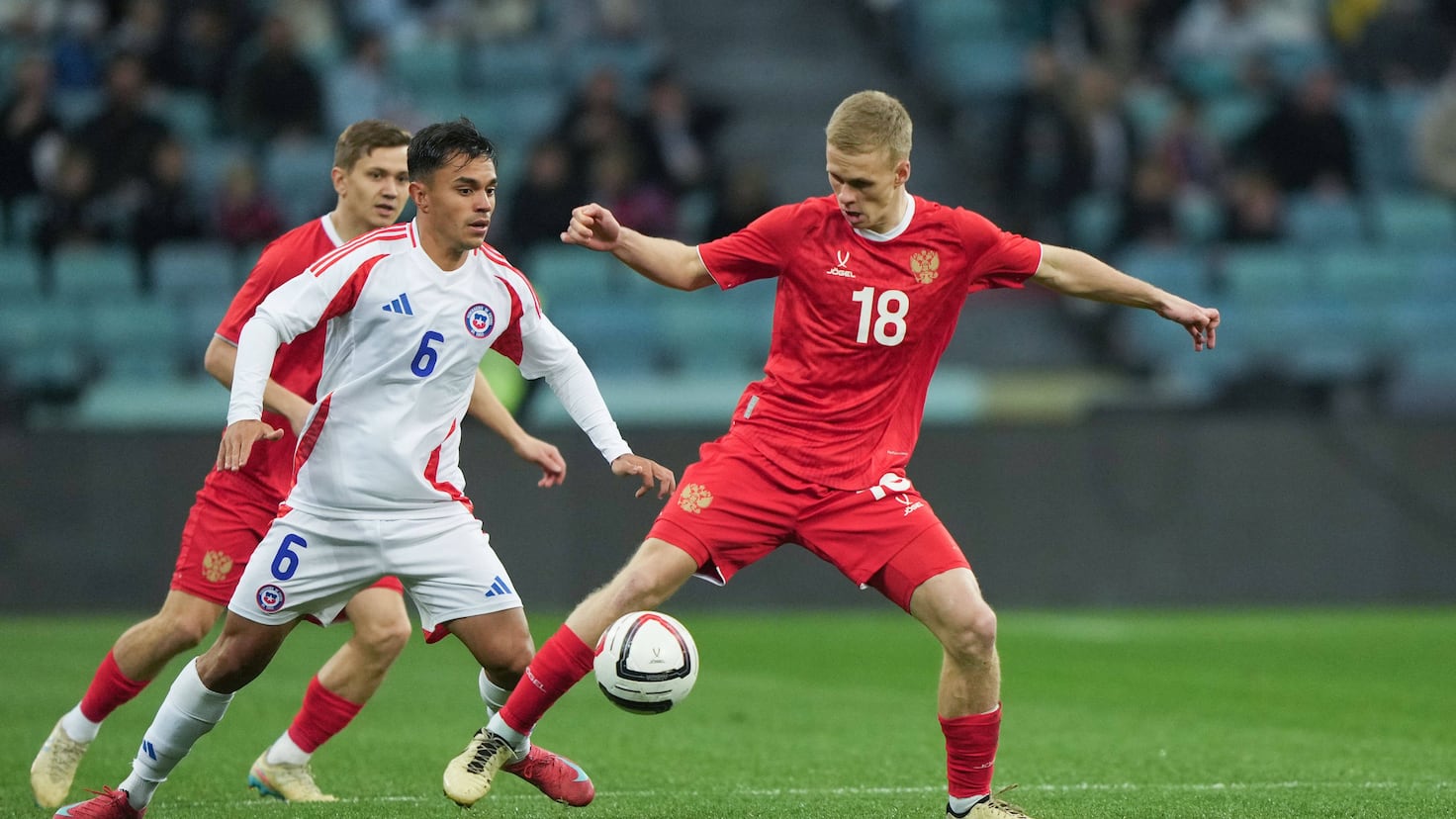
For Russian football, the consequences have been severe. The national team has not played competitive matches since November 2021, limited to friendly fixtures against a shrinking pool of willing opponents. Domestic clubs have been excluded from European competitions, leading to a decline in competitive standards and financial strain across the Russian Premier League.
Impact on Russian Football
The isolation has had a measurable effect on Russian football development. Young players lack exposure to high-level international competition, and the nation’s FIFA ranking has slipped as a result of inactivity. Several high-profile Russian players have moved abroad to maintain competitive sharpness, but the talent pipeline faces significant disruption.
For neutral observers, Russia’s absence is a reminder of how geopolitics continues to shape the world’s game. The 2026 World Cup will showcase 48 nations, but for Russia, the wait for a return to the global stage goes on, with no end in sight.