
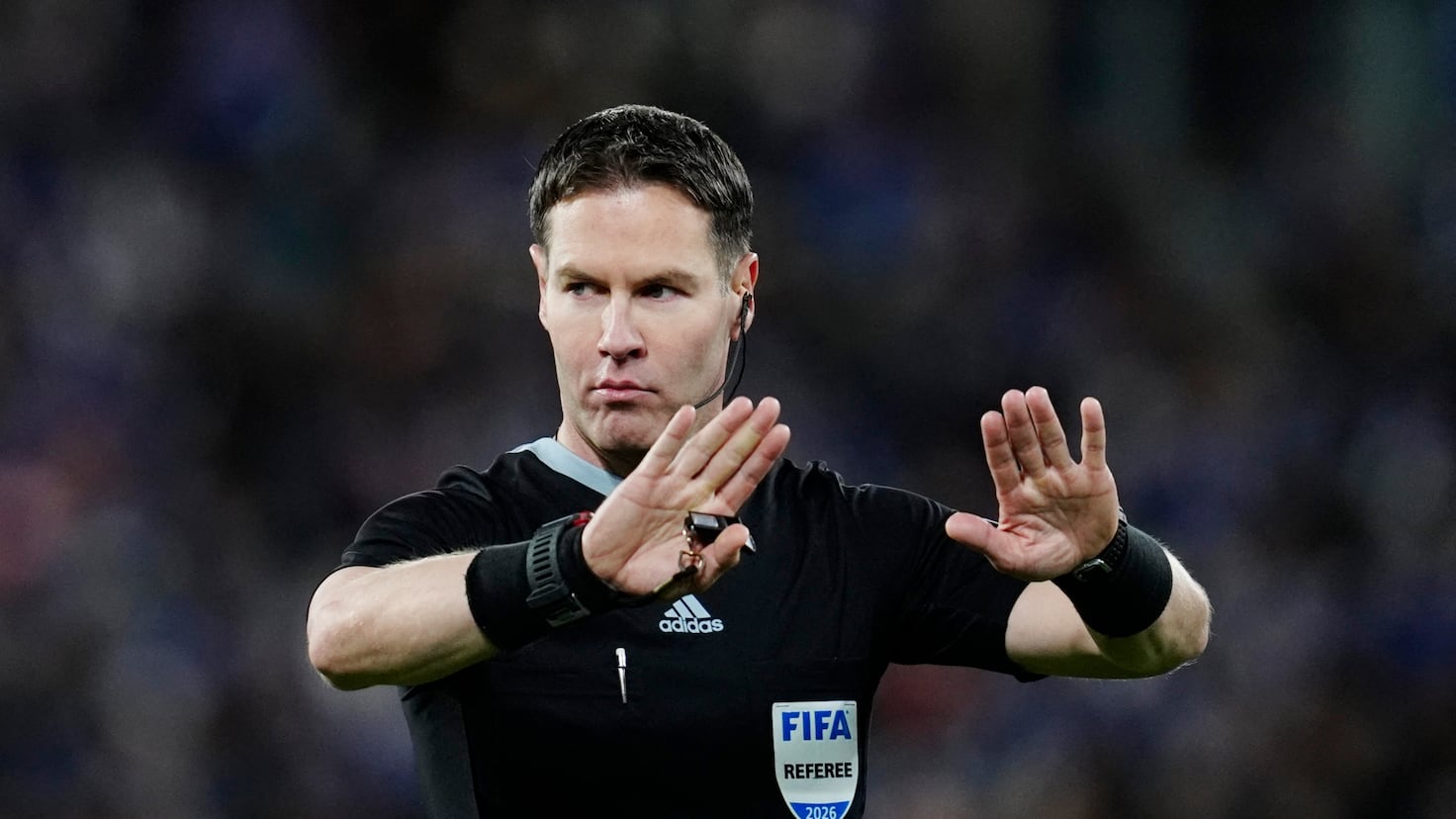
How Group Stage Draws Are Resolved at the 2026 World Cup
With the 2026 World Cup just days away, many fans are brushing up on the tournament’s rules and regulations. One of the most frequently asked questions, particularly among casual viewers, is what happens when group stage matches end in a draw. Unlike the knockout rounds, where extra time and penalties guarantee a winner, the group stage operates on a points system that leaves plenty of room for ties.
The expanded tournament features 48 nations divided into 12 groups of four, with each team playing three group stage matches. Every fixture carries three possible outcomes: a win earns three points, a draw gives each side one point, and a defeat yields nothing. When the score is level at the end of regulation time, the match simply ends. There is no extra time, no penalty shootout, and no attempt to force a winner during the group phase.
The Points System and Qualification
At the conclusion of the group stage, teams are ranked by total points accumulated across their three matches. The top two teams from each of the 12 groups advance to the Round of 32, joined by the eight best third-place finishers. This expanded format, introduced for the 2026 tournament, means that even teams finishing third have a realistic chance of progressing, particularly in tightly contested groups.
This change from the traditional 32-team format has significant implications for how teams approach their group matches. Managers may be more willing to play for a draw in certain situations, knowing that a third-place finish could still yield qualification. Critics argue this dilutes the intensity of the group stage, while supporters point out that it reduces the likelihood of top teams being eliminated on a single bad result.
Tiebreakers: How FIF A Separates Level Teams
When two or more teams finish the group stage with the same number of points, FIFA applies a series of tiebreakers to determine the final standings. For the 2026 World Cup, the first and most significant criterion is head-to-head results among the tied teams. This marks a change from the 2022 tournament in Qatar, where goal difference was the primary factor.
The full tiebreaker hierarchy unfolds as follows: first, head-to-head points between the tied teams. Second, head-to-head goal difference. Third, head-to-head goals scored. If teams remain inseparable after these head-to-head comparisons, FIFA then looks at overall group performance: goal difference across all group matches, followed by total goals scored.
The Role of Discipline and World Ranking
If teams are still level after every sporting criterion has been exhausted, disciplinary records come into play. Fair play points are calculated based on yellow and red cards received during the tournament, with fewer cards producing a better score. In theory, a team that has played more disciplined football could advance at the expense of a less disciplined rival.
In the extraordinarily unlikely event that teams remain tied after all sporting and disciplinary criteria, FIFA will resort to the FIFA/Coca-Cola World Ranking. The team with the higher ranking advances. This replaces the old drawing of lots procedure that previously served as the final tiebreaker, a change that adds a layer of predictability to what was once a purely random outcome.
What This Means for Fans
For fans watching at home, the practical impact of these rules is straightforward: group stage draws are perfectly acceptable and carry no immediate resolution. Each point matters, and the expanded qualification format means that every result, even a goalless stalemate, contributes to a team’s path to the knockout rounds. The real drama of penalty shootouts and extra time is reserved for the matches that follow the group stage.
As the tournament opens across three host nations for the first time, fans would do well to familiarize themselves with the tiebreaking system. With 48 teams competing and only 32 advancing, the margins between progression and elimination are finer than ever. A single point earned through a hard-fought draw, or a goal conceded in stoppage time, could be the difference between a place in the knockout rounds and an early flight home.