When the draw for the 2026 World Cup placed Algeria and Austria in Group J alongside Saudi Arabia and South Korea, few predicted it would produce one of the tournament’s most controversial talking points before a single pass was exchanged. Yet as matchday approaches, the fixture between the Desert Foxes and Das Team is attracting attention for all the wrong reasons. Critics are already labelling it a potential ‘Match of Shame 2.0’ — a reference to the infamous Algeria-England group-stage encounter from decades past that descended into farce.
Why This Match Could Be Different — And Not in a Good Way
The concern stems from the unique circumstances surrounding the group’s composition and the potential for both teams to prioritise calculation over competition. With four points likely enough to advance from the 48-team format’s group stage, analysts fear that Algeria and Austria could play out a cautious, risk-averse encounter that prioritises tournament progression over entertainment. Algeria, returning to the World Cup after a 12-year absence, have built their revival on defensive solidity under their current coaching staff. Austria, meanwhile, bring a regimented tactical approach shaped by their German-influenced footballing philosophy. When two disciplined, counter-attacking sides meet in the cauldron of a global tournament, the result can often be more chess match than spectacle.
The “Match of Shame” Legacy
The phrase “Match of Shame” carries heavy weight in World Cup folklore. It originates from the 1982 tournament when West Germany and Austria played out a mutually beneficial 1-0 result that eliminated Algeria, prompting allegations of collusion and leading FIFA to change its final group match scheduling format. While no one is accusing the current sides of impropriety, the structural parallel — two teams who could both advance by managing risk — has proven irresistible to headline writers.
Algeria’s Return to the Biggest Stage
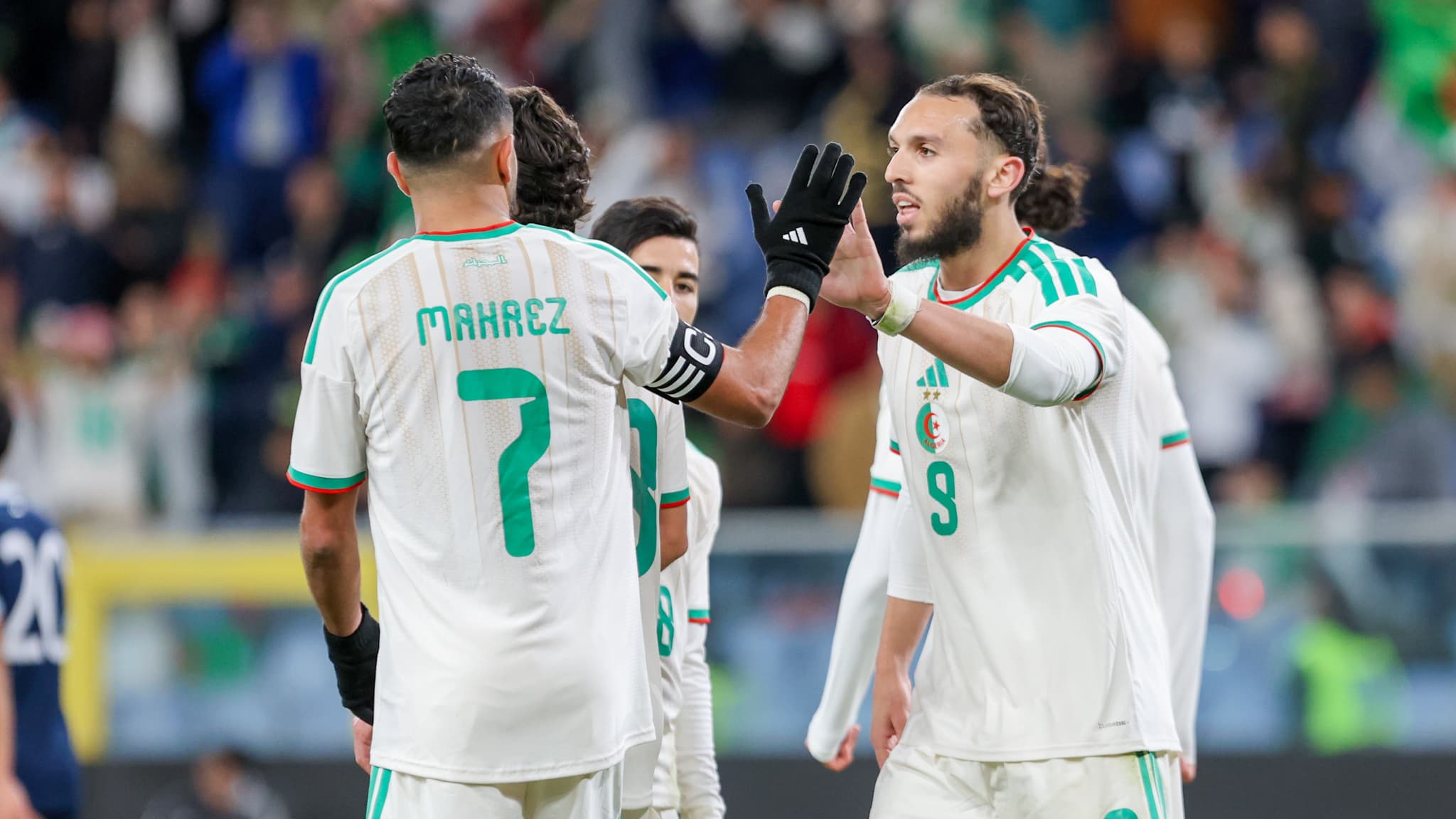
For Algeria, simply being at the World Cup again is a triumph. After missing out on the 2022 edition, the Desert Foxes have rebuilt under a new generation of talent. Players like Amine Gouiri and Baghdad Bounedjah give them genuine attacking threat, while a solid midfield anchored by experienced European-based operators provides the platform. But the team’s identity is built on defensive organisation — precisely the quality that could make for a cagey affair.
Austria’s Pragmatic Path
Austria arrive in North America with a point to prove after failing to emerge from their group in previous tournaments. Ralf Rangnick’s influence remains embedded in the team’s pressing philosophy, but there is a recognition that tournament football requires pragmatism. With key players like David Alaba providing leadership from the back, the Austrians are capable of controlling tempo and suffocating opposition attacks. Against another defensively sound side, the dynamic could produce limited goalmouth action.
What Needs to Change
Critics argue that FIFA’s expanded format inadvertently encourages negative football in groups where two teams can effectively neutralise each other. The solution may lie in incentivising attacking play through revised points systems or tiebreaker rules. But for now, fans hoping for a classic between Algeria and Austria may need to adjust their expectations. Whether the match lives up to the “shame” label or defies its critics with open, enterprising football, it has already succeeded in becoming one of the most talked-about group-stage fixtures of the tournament.