A Brief Tenure in Bergamo
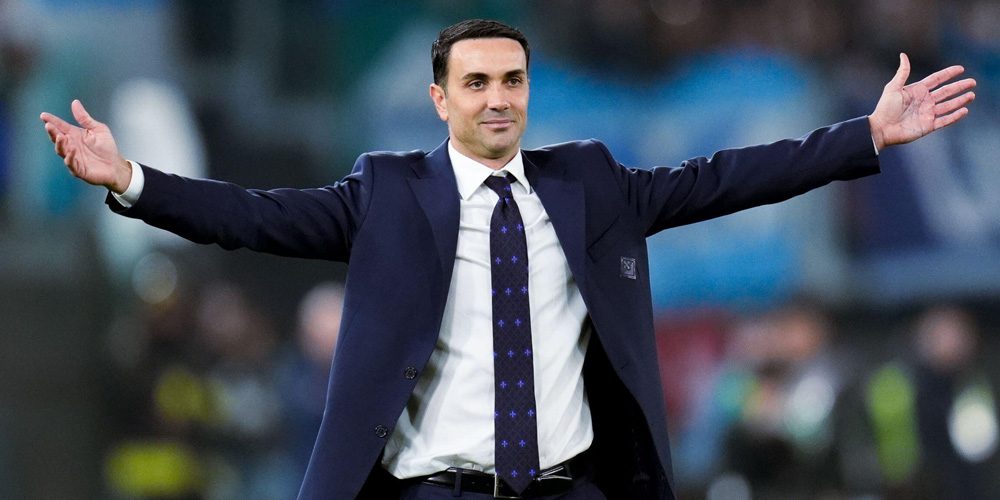
Raffaele Palladino has left his position as Atalanta head coach after just seven months at the helm, following a mutual agreement to terminate his contract. The announcement came via the club’s official website, bringing an end to a tenure that promised much but ultimately failed to deliver the consistency expected in Bergamo.
The 42-year-old Italian arrived at the Gewiss Stadium with a reputation as one of the brightest coaching prospects in Serie A, having impressed during his previous stint at Monza. He inherited a squad that had been carefully assembled by the Gasperini regime but was facing the inevitable challenges of transition after the departure of the club’s long-serving architect.
A Promising Start That Faded
Palladino’s early months at Atalanta offered genuine cause for optimism. He managed to stabilise a team that had been in a difficult position, lifting them from the lower reaches of the table and implementing a more pragmatic approach that yielded results. The midfield began to function with greater coherence, and the attack, though not as prolific as in the Gasperini heyday, found enough goals to keep the side competitive.
However, the final stretch of the season proved unforgiving. Atalanta’s form dipped significantly, and a run of poor results saw them slide down the standings. The team ultimately scraped into a Conference League qualification place, but for a club that had grown accustomed to challenging for Champions League spots under Gasperini, this represented a significant step backwards.
The Numbers Behind the Decision
While Palladino inherited challenges, the board felt that the trajectory was not pointing in the right direction. The squad, which includes talented individuals capable of playing European football at a higher level, underperformed relative to expectations. The attacking statistics in particular were a concern, with the team failing to replicate the goal-scoring numbers that had become synonymous with Atalanta football.
Defensively, there were also persistent issues that the coaching staff were unable to resolve. The balance between attack and defence, which Gasperini had managed so effectively at his peak, remained elusive throughout Palladino’s tenure.
What Comes Next for Atalanta
Atalanta now face a critical summer of decision-making. The search for a new head coach will be conducted with a clear brief: restore the club to European contention and implement a style of play that maximises the potential of the current squad. The Conference League qualification provides a platform, but the ambition within the club remains to compete at Champions League level.
The director of football will be tasked with finding a candidate who can blend the attacking heritage of the club with the defensive organisation needed to compete consistently at the top end of Serie A. Several names have already been linked with the vacancy, though the club has made no official comment on potential replacements.
For Palladino, the dismissal is a setback but unlikely to define his coaching career. His work at Monza demonstrated genuine tactical acumen, and he remains a respected figure in Italian coaching circles. A period of reflection followed by a carefully chosen next project will likely see him return to management before long.
A Season of Change in Bergamo
Atalanta find themselves at a crossroads. The post-Gasperini era was always going to be challenging, and Palladino’s departure signals that the board is unwilling to accept a prolonged period of decline. The summer transfer window will be crucial, with significant investment expected to support the new coach.
The fanbase, renowned for their passionate support, will hope that the next appointment can recapture the spirit that made Atalanta one of the most entertaining sides in Europe. For now, the club presses forward, searching for the manager who can write the next chapter of the story in Bergamo.