
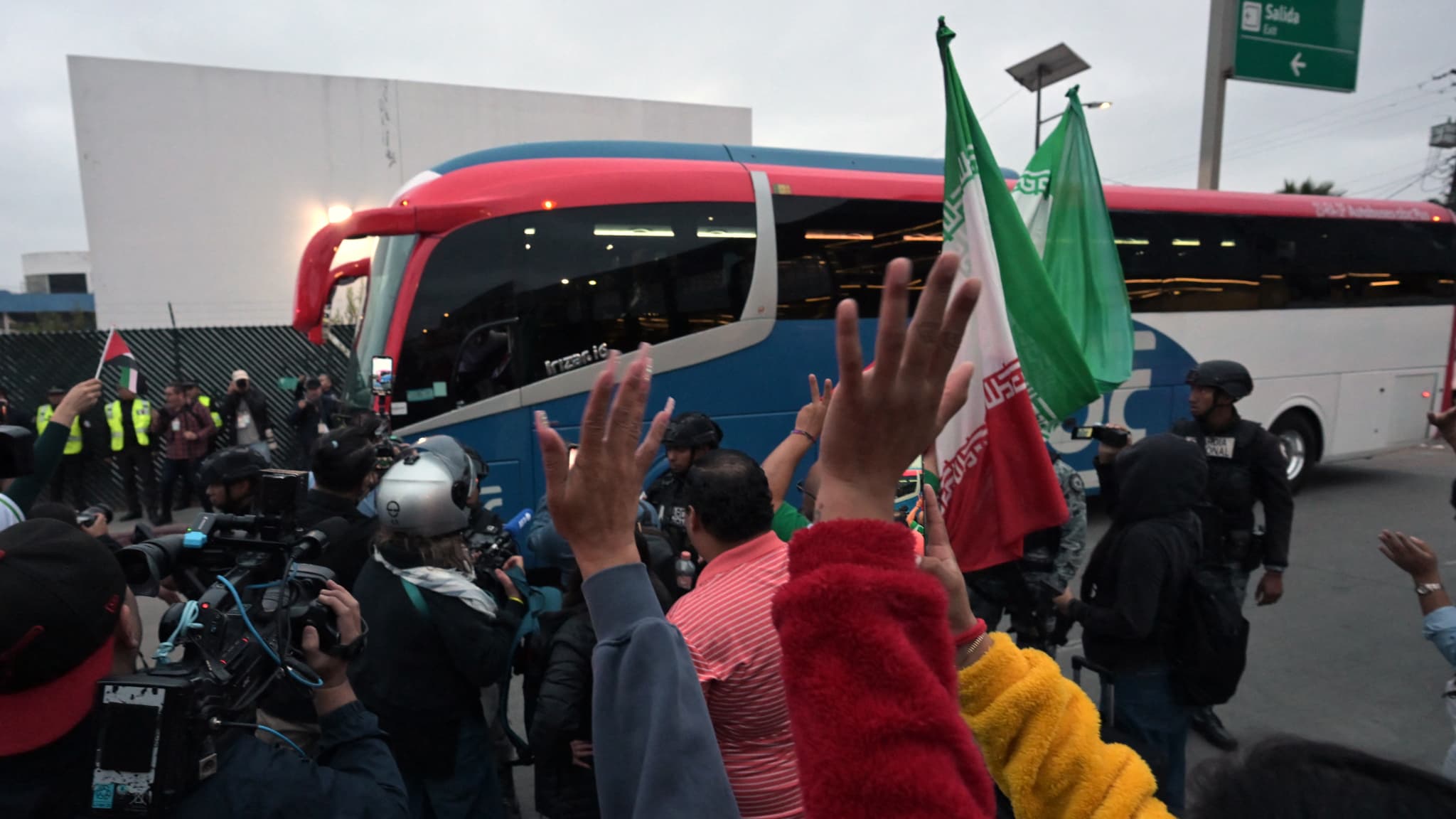
Unprecedented Travel Demand for World Cup Debutants
Iran are facing an extraordinary logistical challenge at the 2026 World Cup, with reports suggesting the team could be required to fly from Mexico to the United States and back in a single day to fulfil their group-stage obligations. The situation has arisen from the unique geography of the first World Cup to be co-hosted by three nations, with Iran group matches spread across different countries.
The FIFA schedule indicates that Iran are expected on US soil the day before their first match, raising questions about border clearance, travel fatigue, and the team ability to prepare properly. For a squad making its return to the global stage, the off-field complications add another layer of difficulty to an already demanding task.
Diplomatic Dimensions
The situation is further complicated by the diplomatic relationship between Iran and the United States. FIFA Secretary General Mattias Grafstrom has held productive discussions with the president of the Iranian Football Federation, Mehdi Taj, to ensure the team travel arrangements proceed smoothly.
President Taj and I had very fruitful discussions, just as we did during our meeting in Istanbul, Grafstrom stated, indicating that the governing body is working behind the scenes to resolve potential visa and entry issues. However, whether the entire Iranian delegation will be able to enter US territory without complications remains to be confirmed.
Security and Border Realities
The practical realities of crossing between the US and Mexico have been highlighted by recent reporting from the San Ysidro border post, the busiest land border crossing in the Western Hemisphere. Thousands of people pass through daily, with wait times that can stretch for hours. The sheer scale of the operation required to move an entire World Cup squad, coaching staff, and support personnel through border controls on a match day is immense.
US authorities have been working with FIFA to establish dedicated lanes and expedited processing for accredited teams and officials, but the Iran situation is particularly sensitive given the political context. The team will need to navigate not only the physical logistics but also the heightened scrutiny that comes with the political landscape.
Can Football Bridge the Divide?
World Cup history is filled with moments where sport has transcended political tensions, even if only temporarily. The Iran squad have their own motivations, focused firmly on performing well on the pitch rather than the off-field complications. The players have spoken about their pride in representing their nation and their determination to let football do the talking.
Should Iran navigate the logistical hurdles and produce competitive performances, their story would become one of the most memorable subplots of this unprecedented three-nation World Cup. The day-trip scenario is not yet confirmed, but the very fact that it is being discussed illustrates the extraordinary nature of the 2026 tournament.