
A Notable Absence on the World Cup Map
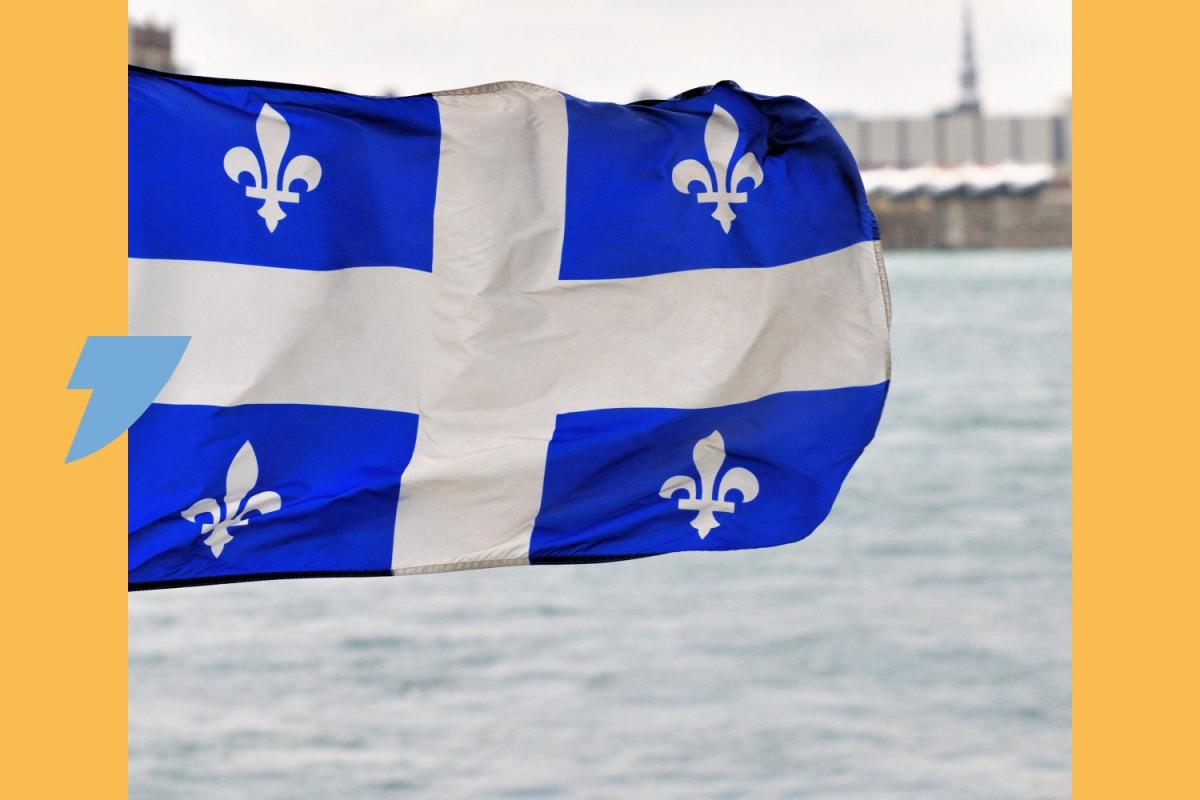
When the 2026 FIFA World Cup kicks off across the United States, Canada, and Mexico, it will represent the largest and most geographically ambitious tournament in history. Matches will be played from Vancouver to Mexico City, from Los Angeles to Miami. Yet one prominent region of the host nation Canada will be conspicuously absent: Quebec.
Despite Canada being a co-host for the first time in the nation’s history, not a single match will be played in la belle province. The decision, which has sparked debate among Canadian football fans and observers, stems from a combination of infrastructure limitations, political considerations, and the complex bidding process that determined the 16 host cities.
How the Host City Selection Worked
FIFA’s host city selection process for the 2026 tournament involved an extensive evaluation of candidate cities across all three host nations. Stadium capacity, transportation infrastructure, hotel availability, and security capabilities were among the primary criteria. Each candidate submitted detailed bids outlining how they would meet FIFA’s requirements.
In Canada, the cities that ultimately secured hosting rights were Vancouver, Toronto, and Edmonton. Vancouver’s BC Place offered a modern domed stadium with a capacity exceeding 50,000. Toronto, Canada’s largest city, presented BMO Field and a comprehensive transportation network. Edmonton, meanwhile, committed to expanding Commonwealth Stadium to meet FIFA’s standards.
Montreal, Quebec’s largest city and Canada’s second-largest metropolitan area, was initially considered a strong candidate. The city has a proud football tradition and had previously hosted matches during the 2014 FIFA U-20 Women’s World Cup and the 2015 FIFA Women’s World Cup. However, the Olympic Stadium, Montreal’s primary large-capacity venue, presented challenges that ultimately worked against the bid.
The Stadium Question
Montreal’s Olympic Stadium, built for the 1976 Summer Olympics, has a complicated history. Its distinctive inclined tower and retractable roof have made it an iconic structure, but the venue has faced persistent maintenance challenges and capacity limitations. Renovating the stadium to meet FIFA’s modern standards for a men’s World Cup would have required substantial investment with uncertain returns.
Saputo Stadium, Montreal’s dedicated football venue and home of CF Montreal, is too small to host World Cup matches. Expanding it temporarily would have been logistically complex and expensive. These infrastructure realities, combined with the need to distribute matches across the three host nations in a balanced way, ultimately left Quebec without a slice of the World Cup pie.
The Broader Impact
For Quebecois football fans, the exclusion is a source of disappointment. Quebec has a passionate football community, and the province has produced notable Canadian international players. The opportunity to see the world’s best players compete on home soil would have been a transformative moment for the sport’s growth in the province.
Beyond the emotional dimension, there is an economic argument. Hosting World Cup matches generates significant tourism revenue, global media exposure, and long-term infrastructure investment. Cities that miss out on hosting forfeit these benefits, though they may still see spillover effects from the increased attention on Canadian football.
As World Cup 2026 approaches, Quebec’s absence from the fixture list serves as a reminder that hosting a tournament of this scale requires stadium infrastructure that meets exacting standards. For Canadian football to continue growing, investment in venues across all provinces — not just those selected for this World Cup — will be essential.