A Nation Awaits
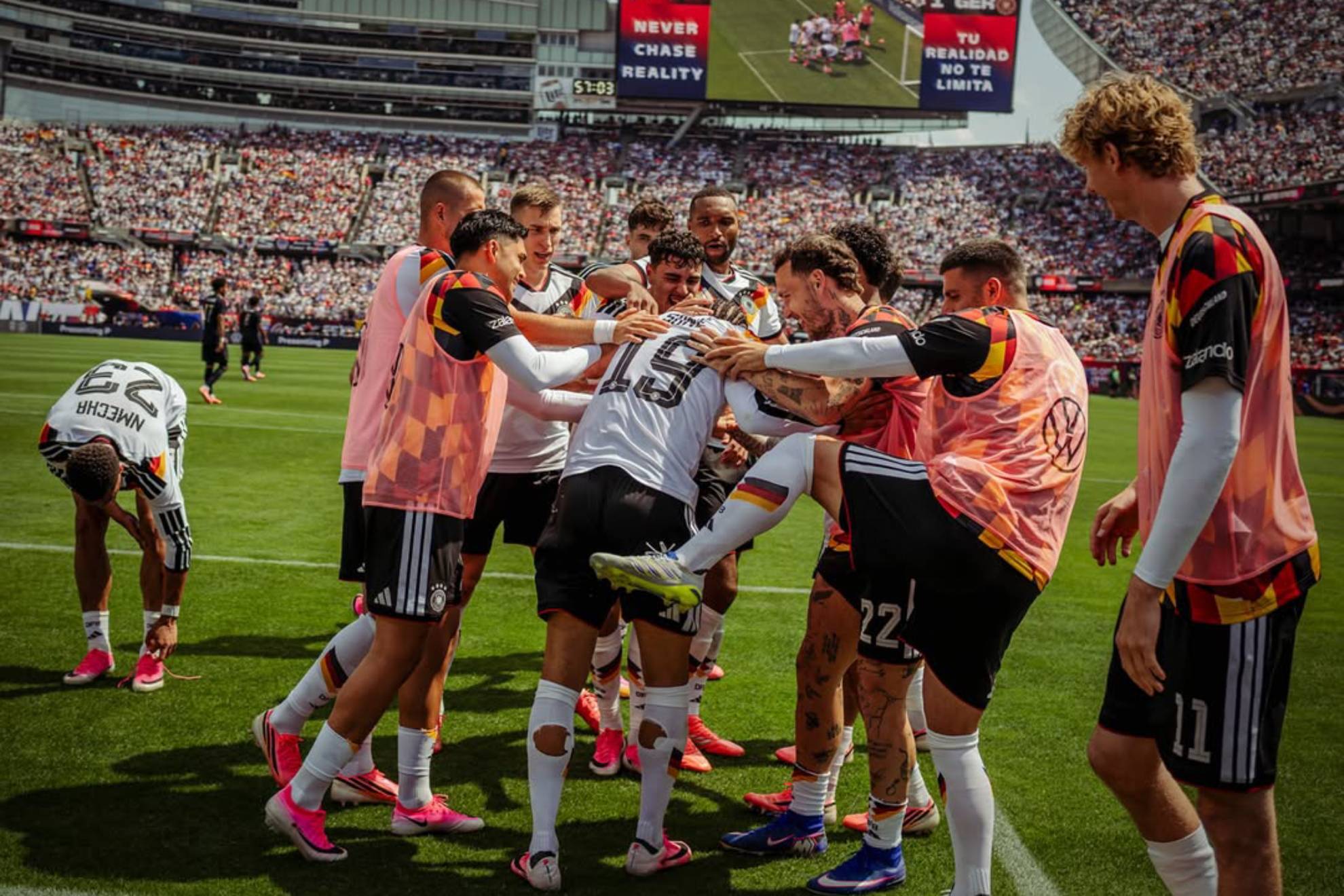
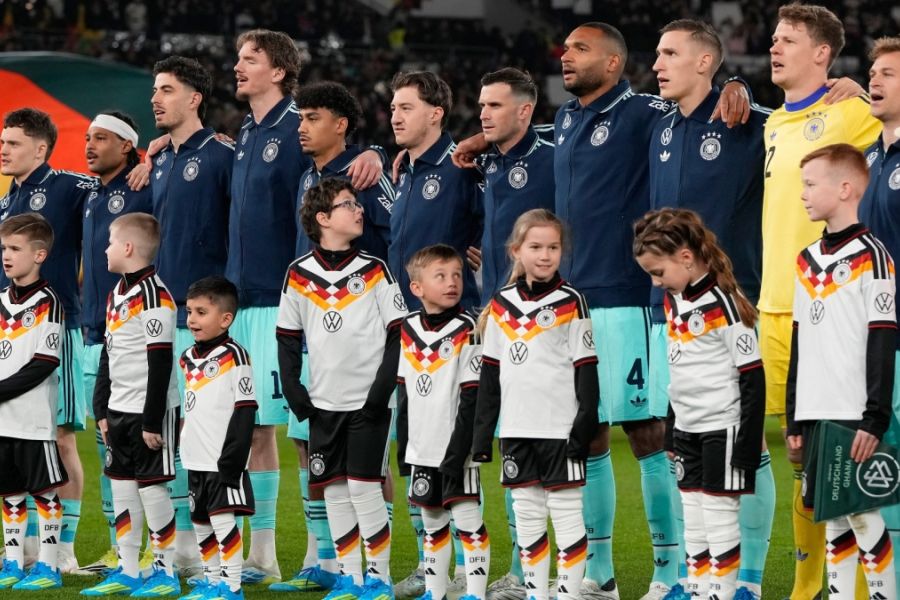
Germany head into the 2026 FIFA World Cup carrying the weight of a decade without a major tournament triumph. Since lifting the trophy in Brazil in 2014, Die Mannschaft have endured group-stage exits in 2018 and 2022, along with round-of-16 elimination at Euro 2020 and a disappointing quarterfinal bow at Euro 2024 on home soil. For a nation that has reached at least the semifinals in 13 of its 20 previous World Cup appearances, this drought represents an unfamiliar and uncomfortable reality.
Yet there are signs of renewal. The squad travelling to North America features a blend of seasoned campaigners and an exciting wave of young talent emerging from the Bundesliga. Manager Julian Nagelsmann has built a system that prioritises high pressing, quick transitions, and positional fluidity — a style that mirrors the modern game and suits the raw materials at his disposal.
The New Generation
Germany is no longer the tournament favourite it once was, but that status may work in its favour. The current generation lacks the aura of the 2014 champions — no Mller, no Neuer, no Kroos — but it compensates with hunger and tactical discipline. Players like Jamal Musiala, Florian Wirtz, and Nico Schlotterbeck have all matured considerably since the last World Cup, and they now carry the creative burden.
Musiala, in particular, has evolved into one of the most dangerous dribblers in world football. His ability to operate in tight spaces and unlock defences with a single turn of direction makes him Germany most unpredictable weapon. Alongside Wirtz, who has flourished as a central playmaker for Bayer Leverkusen, Germany possess the kind of technical talent that can unsettle even the most organised defences.
Tactical Identity
Nagelsmann approach blends elements of the traditional German philosophy — structure, physicality, efficiency — with modern positional play. The defensive line pushes high, the fullbacks invert into midfield, and the front four rotate positions to create mismatches. It is a demanding system that requires every outfield player to be comfortable on the ball, but when it functions correctly, Germany can dominate possession and territory against any opponent.
The question mark remains at centre-forward. Germany has not produced a world-class number nine since Miroslav Klose retired. The current options are capable but unspectacular, relying on service rather than creating chances independently. If the creative midfield can supply the required output, the goals will come by committee.
Group Stage Path
Germany group draw places them against opponents that will test both their defensive organisation and their ability to break down compact blocks. The opening fixtures will be critical — a slow start could recreate the anxiety that paralysed the team in 2018 and 2022. If Nagelsmann side can secure maximum points from the first two matches, the momentum could carry them deep into the knockout rounds.
The knockout bracket on their side of the draw includes several traditional powers, meaning there are no easy routes. Germany will likely need to beat at least one tournament heavyweight to reach the quarterfinals. Their recent record in high-stakes knockout matches is mixed at best, and this tournament will test whether the mental fragility of the past decade has been overcome.
The Verdict
Few pundits are picking Germany to win the World Cup. The betting markets place them behind Brazil, Argentina, France, and England. But that underestimation could be precisely what this squad needs. The 2010 team was similarly written off before a young, vibrant squad captured the world imagination. The 2026 version has the same potential — if the talent translates to the biggest stage.
Whether Germany can end its decade-long wait for silverware remains to be seen. What is certain is that this team will not go quietly. A quarterfinal or semifinal appearance feels achievable. Beyond that, the World Cup has a habit of producing surprises, and few nations know that better than Germany.