A New Era of Contract Negotiations
Kevin De Bruyne, Henrikh Mkhitaryan, and an increasing number of elite footballers are choosing to handle their contract negotiations without intermediary representation, challenging one of the sport’s most established conventions. Rather than relying on agents to secure multi-million euro deals, these players are sitting directly at the negotiating table, armed with data analysis, legal counsel, and a determination to maximize their earnings.
The shift represents a quiet revolution in football economics. In an industry where agents routinely command commissions of five to ten percent on transfers and contract renewals, going without an intermediary can save players millions over the course of a single deal.
Why Players Are Going Solo
The motivations vary from player to player. For some, it is about financial control eliminating the middleman means keeping every euro of the signing bonus and salary package. For others, it is about autonomy and the desire to manage their careers on their own terms rather than through a representative whose interests may not always align perfectly with their own.
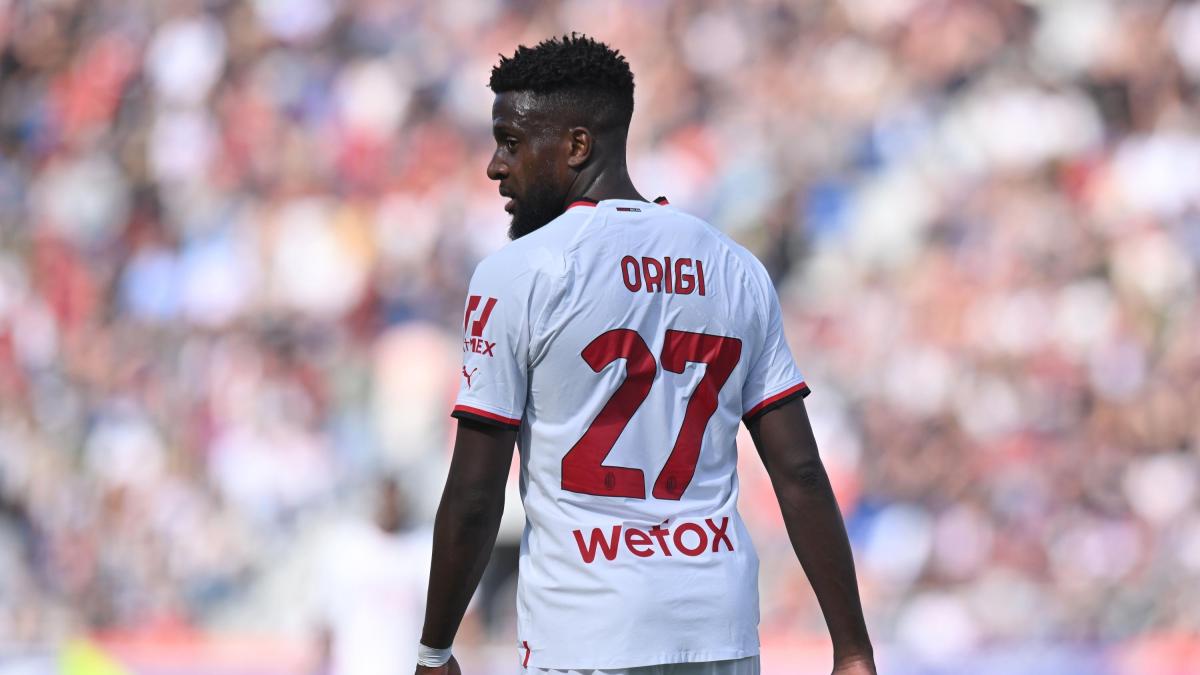
Mkhitaryan, the Armenian playmaker who has played for clubs including Borussia Dortmund, Manchester United, Arsenal, Roma, and Inter Milan, has been a prominent example of this approach in recent years. His decision to negotiate directly allowed him to move between clubs without the friction that can arise when agents push for their own financial priorities.
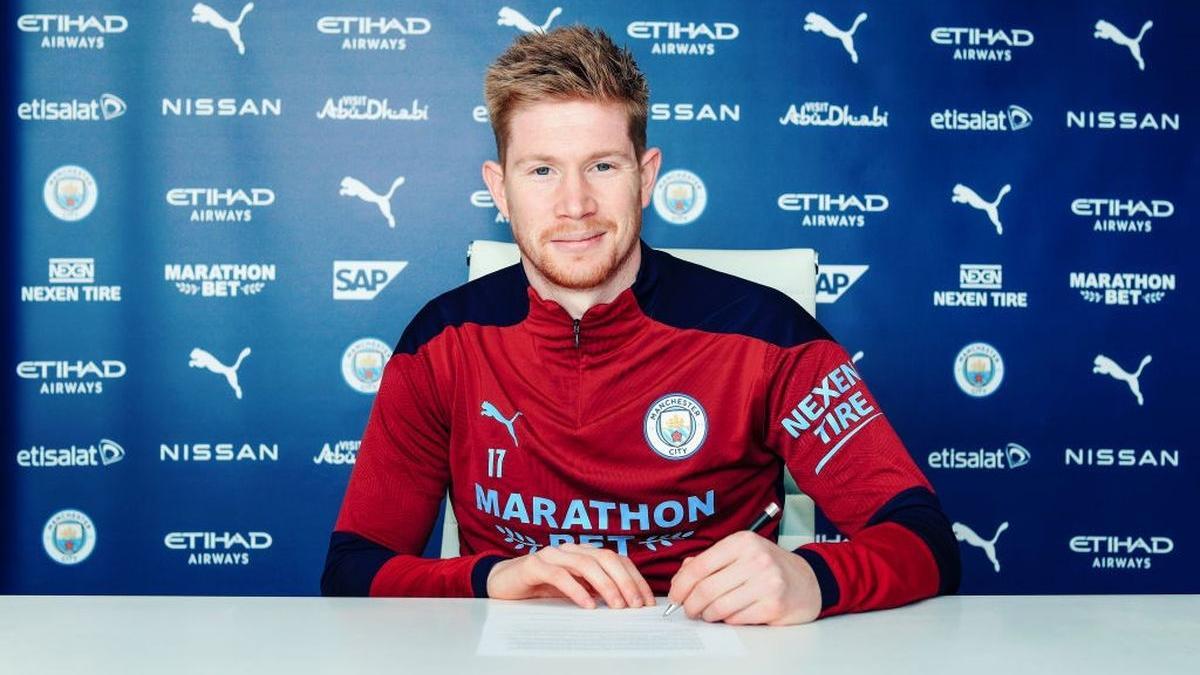
De Bruyne, widely regarded as one of the finest midfielders of his generation, has similarly demonstrated that top-level players can successfully manage their own affairs. The Manchester City star’s ability to secure one of the Premier League’s most lucrative contracts without external representation sent ripples through the football world.
Data-Driven Negotiations
Modern footballers are increasingly equipped with sophisticated performance data, injury statistics, and market valuation analytics when they enter contract talks. Without an agent, these players rely on specialized legal teams and financial advisors on a consultancy basis rather than through percentage-based commission structures.
This approach is particularly common among more experienced players who have built relationships with club executives over many years. Having navigated multiple transfers and contract renewals, they understand the rhythms of the negotiation process and know which clubs are likely to meet their valuation.
There are also practical advantages. Direct communication between player and club eliminates the game of telephone that can slow down negotiations. When terms need to be adjusted, decisions can be made in real time rather than waiting for an agent to relay offers and counter-offers between parties.
The Risks of Going Unrepresented
The trend is not without its risks. Agents provide more than negotiation services they act as career strategists, identifying which clubs offer the best sporting projects and which moves could be detrimental. They also handle the administrative complexity of international transfers, work permits, tax planning, and image rights.
Without an agent, players must either develop this expertise themselves or assemble a team of lawyers and accountants to fill the gap. And while the savings on commission fees are significant, a single miscalculated negotiation can cost far more than any agent would have charged.
Nevertheless, the growing number of players choosing this path suggests that football’s agency model is undergoing its most significant transformation in decades. As data becomes more accessible and players become more commercially sophisticated, the traditional football agent may need to adapt or risk obsolescence.