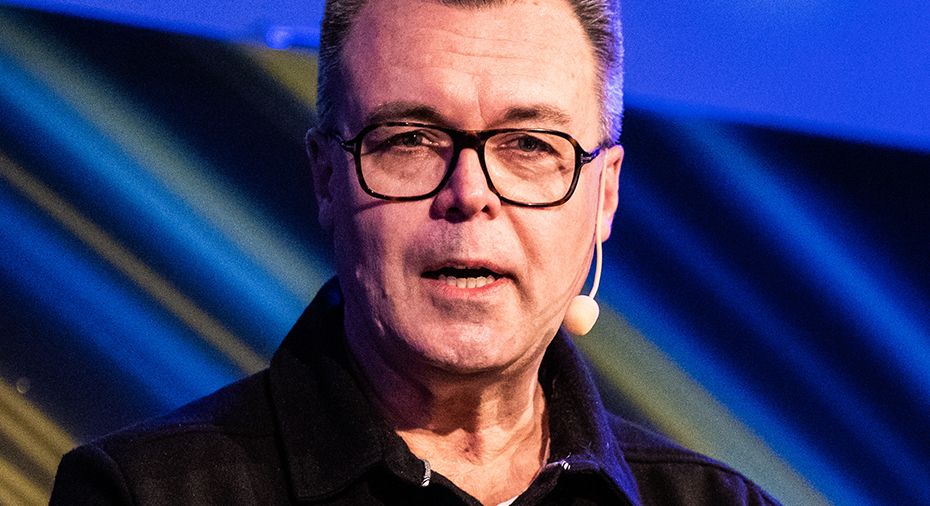
Domarkommitten Called for His Removal
Martin Ingvarsson, the Swedish Football Association’s referee coach, has hit back at sharp criticism from the referee committee, insisting he retains his position despite calls for his dismissal. The dispute, now playing out publicly, has exposed significant internal divisions within Swedish football’s officiating hierarchy just as the domestic season enters its crucial summer phase.
The referee committee, known as Domarkommitten, had issued a strongly worded critique of Ingvarsson’s performance and demanded that he be removed from his role. The move, unprecedented in Swedish football, came after a series of contentious decisions across recent Allsvenskan and Superettan matches had drawn increasing scrutiny from clubs, players, and supporters.
The Allegations Against Ingvarsson
According to sources familiar with the committee’s position, the criticism centered on systemic issues within Swedish refereeing standards. The committee argued that the quality of officiating had declined under Ingvarsson’s stewardship, pointing to an increase in VAR-related controversies, inconsistent disciplinary rulings, and communication breakdowns between match officials and clubs.
Ingvarsson, a former top-flight referee with extensive international experience, was appointed to his coaching role with the mandate of modernizing Swedish refereeing. However, the committee contends that progress has been insufficient and that more fundamental changes are needed.
Responding to the allegations, Ingvarsson was characteristically direct: I still have my job. He expressed confidence that the SvFF leadership would back him, arguing that the criticism was disproportionate and failed to account for the complexities of implementing change within a long-established system.
SvFF Caught in the Middle
The Swedish Football Association now finds itself in a delicate balancing act. The referee committee’s demand carries significant weight as an official body, yet removing Ingvarsson mid-season would signal instability and potentially set back the very reforms he has been championing.
Football governance experts have noted that this type of public dispute is unusual in Swedish football, which typically handles internal disagreements behind closed doors. The fact that the disagreement has become public suggests deep-seated frustration on the part of the committee.
For the players and clubs currently competing in Allsvenskan, the ongoing uncertainty adds an unwelcome layer of distraction. Several managers have already voiced concerns about inconsistent refereeing standards this season, with some calling for an independent review of officiating protocols.
Ingvarsson, meanwhile, continues to carry out his duties, attending matches and working with match officials across the country. At least for now, the referee coach remains in post. But the affair has raised serious questions about who truly controls refereeing standards in Swedish football and whether the current governance structure is fit for purpose.