SvFF Responds to Growing Pressure Over Officiating Standards
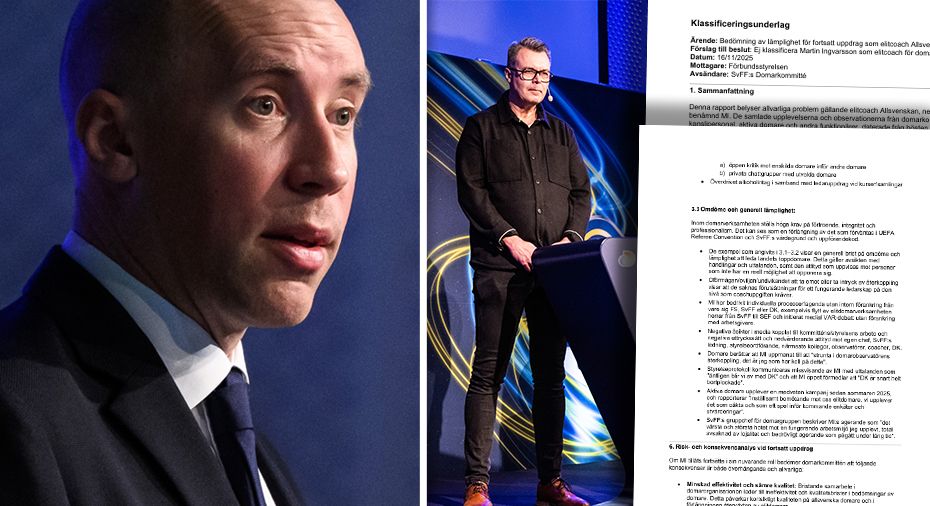
The Swedish Football Association has acknowledged the gravity of the escalating dispute within its refereeing structure, issuing a carefully worded statement that commits to addressing the crisis with a high degree of seriousness. The move comes as the conflict between the Domarkommitten and referee coach Martin Ingvarsson continues to dominate Swedish football headlines.
When pressed for details on what specific actions would follow, SvFF officials declined to provide clear answers, leaving clubs, players, and fans uncertain about the immediate future of match officiating in Sweden. The association’s reluctance to take a definitive stance has frustrated many within the game who are demanding swift resolution.
A Crisis of Confidence
The dispute has exposed a fundamental rupture in Swedish football governance. On one side stands the referee committee, which has publicly declared that Ingvarsson’s position is untenable. On the other, Ingvarsson himself insists he retains the backing of the wider SvFF administration and has no intention of stepping aside.
The committee’s grievances, it has emerged, go beyond individual performance concerns. Sources suggest the disagreement reflects deeper strategic differences about the direction of Swedish refereeing including how VAR technology should be deployed, the frequency of referee assessments, and the pathway for developing young officials through the system.
The timing could hardly be worse. With Allsvenskan approaching its summer break and several high-profile fixtures on the horizon, the lack of clarity at the top of the officiating hierarchy threatens to undermine confidence in match outcomes. Swedish football has prided itself on the integrity of its competitions, and this public row represents a rare departure from that reputation.
What the Stakeholders Are Saying
Club representatives have begun to voice their concerns, with several Allsvenskan directors calling for an independent mediator to resolve the impasse. The Swedish Players’ Union has also expressed unease, noting that players need clear and consistent officiating standards to perform at their best.
The silence from SvFF’s top leadership has been notable. The association’s general secretary and the chairman of the football board have yet to make public appearances or statements addressing the controversy directly. This has led to speculation that the association’s internal processes are struggling to contain a dispute that has spiraled well beyond the usual corridors of football administration.
One thing is certain: the outcome of this crisis will shape Swedish refereeing for years to come. Whether that means a reformed governance structure, new leadership, or a complete overhaul of the coach-committee relationship remains to be seen. For now, Swedish football watches and waits.