A Short and Painful Tenure
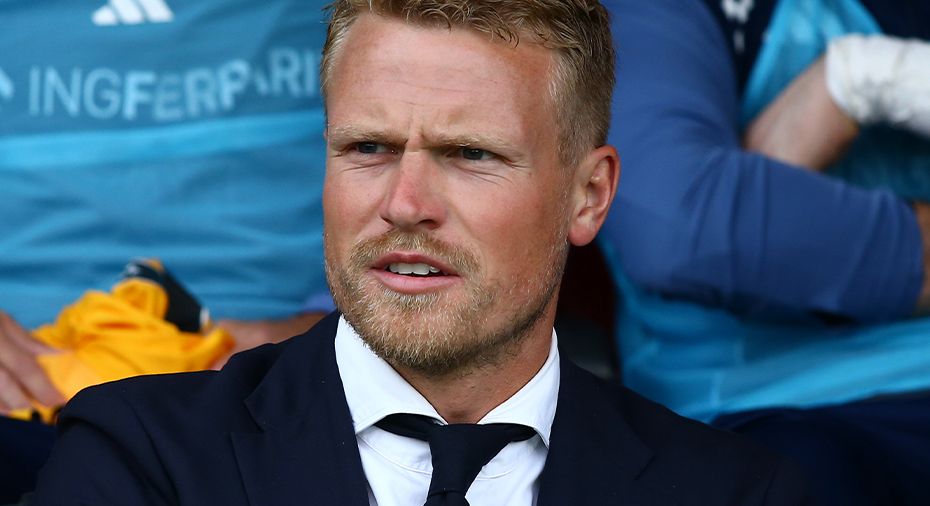
Oscar Hiljemark tenure as head coach of Pisa has come to an abrupt and disappointing end. The 33-year-old Swede, who took charge of the Italian club in February with a mandate to avoid relegation from Serie A, has been dismissed after just 15 matches at the helm. The decision was announced by the club in a formal statement, thanking the coach and his staff for their professionalism.
The club thanks the coach and his collaborators, Fredrik Ahlstrand and Javier Agenjo, for the professional journey they have shared and wishes them all the best,
the statement read. Behind the polite wording lies a grim statistical reality.
A Relegation That Could Not Be Avoided
When Hiljemark took over, Pisa sat second from bottom in the Serie A table, four points adrift of safety. The situation was dire, but there was still hope that a change in leadership could spark a revival. Instead, the results went from bad to worse. Over the course of 15 league matches under his guidance, Pisa managed to collect just four points.
That return represents one of the worst runs in Serie A history for a newly appointed manager. The club finished dead last, condemned to an immediate return to Serie B after what proved to be a brief and unsuccessful top-flight stay.
From Elfsborg to Italy
Before his ill-fated move to Tuscany, Hiljemark had built a credible reputation in Swedish football. He spent 18 months as head coach of Elfsborg, where his work was seen as promising enough to earn him the Pisa opportunity. Prior to that, he had served as both assistant and head coach within the Swedish club structure.
The leap from Allsvenskan to Serie A was always going to be formidable. Italian football is notoriously unforgiving for young foreign coaches, and the relegation battle at Pisa would have tested even the most experienced tactician. The four points from 15 games suggests a squad that simply was not competitive at the level required.
A Distinguished Playing Career
Hiljemark is no stranger to Italian football. As a player, he represented Palermo and Genoa in Serie A, alongside stints at PSV Eindhoven and Elfsborg. He also earned 28 caps for the Swedish national team, featuring in major tournaments and establishing himself as a respected midfield presence.
That playing pedigree may open doors for his next coaching opportunity, though the short and unsuccessful nature of his first big job will give potential employers pause. Italian football is littered with examples of talented players who struggled to translate their on-field intelligence into managerial success, and Hiljemark will need to rebuild his reputation, likely back in Sweden or in a less demanding league.
What Comes Next
For Pisa, the focus now shifts to rebuilding in Serie B with a new manager. For Hiljemark, the task is different: reflecting on what went wrong, whether the squad was simply not good enough, whether the tactical approach was misjudged, or whether a more experienced supporting staff would have made a difference.
The Swedish coach remains young for the profession at 33, and his playing experience at high levels of the game means he will not lack for options. But the Pisa chapter is a harsh lesson in the gap between promise and delivery at the highest level of European club football.