A Transfer Dream Turns Sour
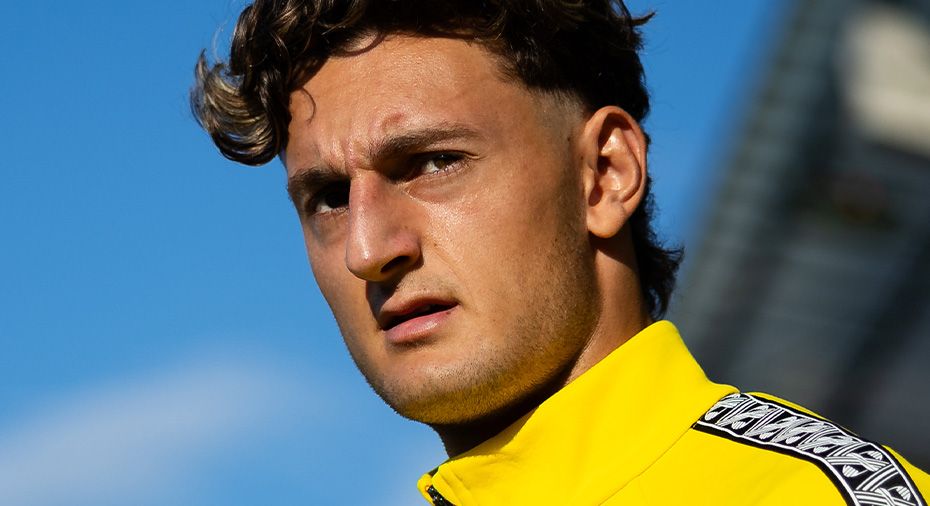
When Swedish winger Wilhelm Loeper left Helsingborgs IF after five seasons and more than a hundred appearances, he had high hopes for his next chapter. The 27-year-old was a proven performer in the Swedish second tier, and when offers started arriving from overseas, the prospect of testing himself abroad was tantalizing. What followed, however, was a transfer saga so convoluted it would make a Hollywood scriptwriter blush, spanning three countries, multiple agents, and lingering legal questions.
The South Korea Opportunity
Around the turn of the new year, Loeper found himself in an enviable position. He had concrete proposals from six or seven different clubs abroad. The most appealing came from Incheon United in South Korea. The K-League offered a new culture, a different style of football, and a chance to build something meaningful.
That was something I had as a goal for the season, because I had heard very good things about that country,
Loeper recalled. I had heard good things about the lifestyle as a footballer. Many Swedes who have tried it have been successful, so it was something I was dreaming about. And when that opportunity appeared, I felt I really wanted to go there.
Loeper flew east to negotiate with Incheon, though he remains tight-lipped about the details of those discussions due to ongoing legal proceedings.
The Romanian Twist
But while Loeper was in South Korea pursuing his dream move, events were unfolding elsewhere. According to Helsingborgs Dagblad, an agent had signed a letter of intent with Romanian top-flight club FK Csikszereda on Loeper behalf. The document was described as non-binding, but Loeper himself acknowledged the situation was complicated.
I felt it could be an alternative, but that I was not really ready to sign a binding agreement with them,
he said. I wanted to keep more doors open.
Yet just one week after New Year, Loeper was presented as a Csikszereda player. The Romanian club maintained that a binding contract existed. Loeper disputes that interpretation.
We tried to solve it simply,
he said of the negotiations involving the club, lawyers, and agents. The situation generated headlines in both Romania and South Korea. Prominent Romanian journalist Emanuel Rosu reported that Loeper had given his agent a mandate to handle the transfer, but the cross-border confusion suggested competing claims and broken lines of communication.
Illness and Recovery
Compounding the stress, Loeper fell ill with glandular fever during the chaotic period. After two weeks in South Korea, he decided to travel to Romania and resolve the situation in person. The reception, he says, was welcoming. I went there and did not really know what to expect. But I think they received me in a good way.
Regarding his mental state during those uncertain weeks, Loeper was honest: During those weeks I did not feel great, given that I was both sick and in a situation that was difficult to handle. It was unpleasant being exposed to that.
Life at Csikszereda and the Aftermath
Once the dust settled, Loeper played regularly for the Romanian bottom-half side before a recurrence of glandular fever sidelined him. When he returned, his minutes diminished. Despite the rocky start, he speaks positively of his teammates, who showed understanding about the bizarre transfer episode. I could explain the situation and I think people understood that it maybe was not really on my table, how things developed.
Now back in Sweden and training with Helsingborg, Loeper is philosophical about the experience. I do not want to badmouth the football industry,
he said, preferring to look forward rather than dwell on a transfer that went off the rails.