Major Regulation Changes for the 2026 Tournament
The 2026 World Cup in the USA, Canada, and Mexico will introduce several significant rule changes that players, coaches, and fans need to understand. Swedish national team players spoke to Fotbollskanalen from their training camp in Dallas, revealing that even they needed time to absorb the full scope of the updates.
These are the most important changes coming into effect for the tournament.
10-Second Substitution Rule
Players being substituted must leave the field within ten seconds of the board being raised. The fourth official will time the exit, and any player who exceeds the limit will receive a yellow card. This rule, already trialled in several domestic leagues, is designed to prevent time-wasting during stoppages. Players are encouraged to exit at the nearest point on the touchline rather than walking across the field.
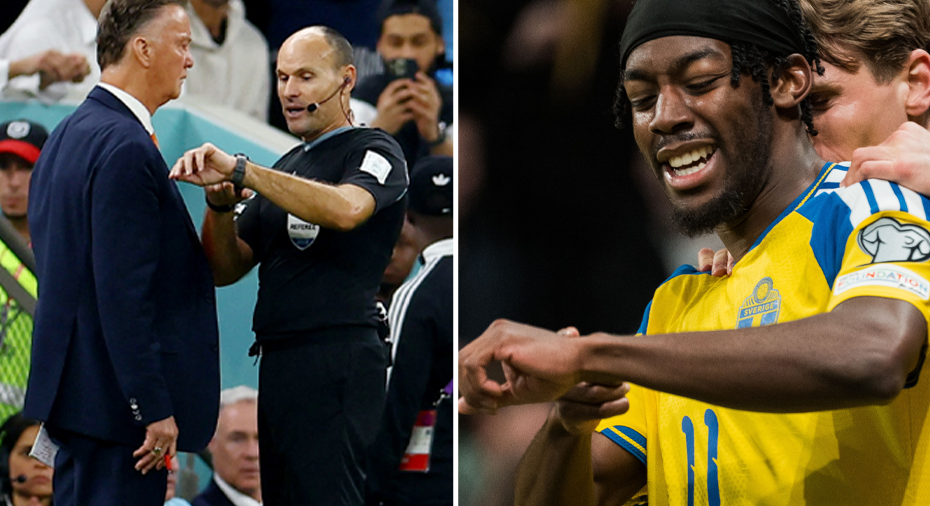
Swedish defender Victor Nilsson Lindelof admitted that keeping track of every new regulation is a challenge: It is easy to forget, he said when asked about the changes. The team has been briefed by match officials during training to ensure compliance.
Goalkeeper Time Management
Referees have been instructed to strictly enforce the six-second rule for goalkeepers holding the ball. An indirect free kick will be awarded for any violation. This targets the growing trend of goalkeepers deliberately holding possession to disrupt attacking momentum, particularly in the closing stages of tight matches.
Penalty Kick Restrictions
Penalty takers will no longer be permitted to stop or feint during their run-up. The stutter-step technique, popularised by several high-profile players, has been deemed unfair. Any violation results in the kick being disallowed if it misses, or retaken if it scores, with the kicker receiving a warning on first offence.
Defensive Free Kick Walls
Walls at free kicks must now be positioned at least one metre from the designated spot mark. This gives the attacking team slightly more room to curve the ball around or under the wall. Defenders who encroach risk a yellow card.
Captain-Only Protocol
Only team captains are permitted to approach the referee for discussions. Any other player who approaches the referee with dissent will receive an immediate yellow card. This rule, successfully implemented at the European Championship, is intended to reduce referee abuse and speed up decision-making.
Swedish Players React
Several Sweden squad members admitted that staying informed about every change is difficult during a busy tournament schedule. The coaching staff have dedicated sessions to walk through the regulations, including video examples and on-field simulations. The key message is simple: adapt quickly or risk costly errors in high-pressure moments.
With the tournament approaching its opening matches, the rule changes add another variable to an already unpredictable competition. Teams that prepare thoroughly may gain an edge, while those caught unaware could face avoidable yellow cards and free kicks in dangerous areas.
Source attribution: Based on reporting from Fotbollskanalen.