
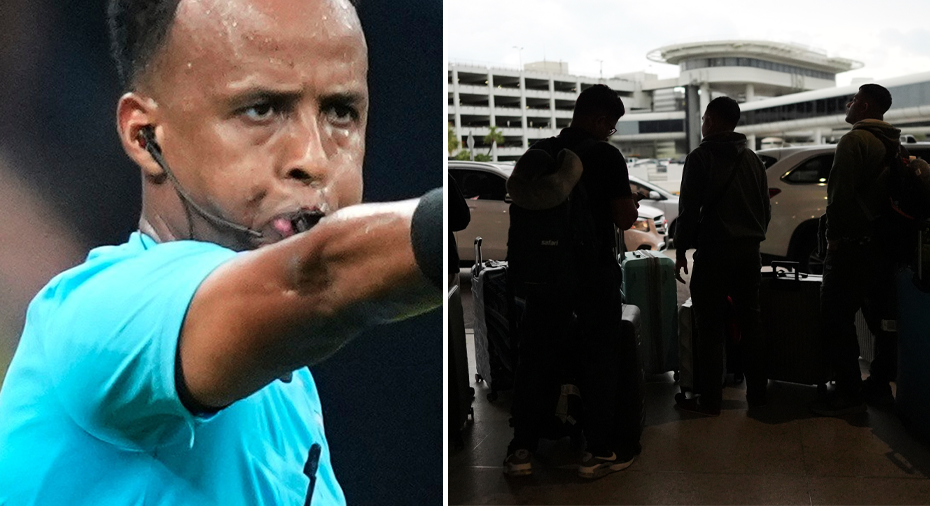
A Dream Cut Short
Omar Artan, named Africa’s best referee for 2025, has been sent home from the 2026 World Cup after being denied entry to the United States, in a developing controversy that has cast a spotlight on tournament entry procedures. The Somali official, who was selected to officiate at his first World Cup, spoke to the New York Times about his devastating disappointment, describing the tournament as his lifelong dream.
What Happened
Artan arrived in Miami as part of the World Cup’s officiating contingent, only to be refused entry by US border authorities. The reasons for the denial remain unclear, though Artan himself has suggested his nationality may have been a factor. “I am very, very disappointed,” Artan told the New York Times. “I think they have a problem with my country.” FIFA subsequently confirmed that the 34-year-old would not participate in the tournament, effectively terminating his involvement before it began.
The Somali referee had been subjected to an 11-hour interview process at the airport before the decision was made, a gruelling ordeal that left him physically and emotionally drained. Despite holding what he believed to be proper documentation for his role at the tournament, Artan was ultimately turned away.
FIFA’s Position
FIFA responded by stating that it does not interfere with a host country’s immigration decisions, effectively confirming that the governing body would not intervene on Artan’s behalf. “FIFA does not interfere with a host country’s immigration procedures,” the organisation said — a statement that has drawn criticism from African football officials who argue that FIFA has a responsibility to ensure its selected officials can fulfil their duties.
Broader Concerns
The Artan case is the most high-profile example of entry issues affecting World Cup personnel, but it is not isolated. With the 2026 tournament spread across three countries, each with distinct visa and immigration policies, concerns have been raised about whether the logistical framework is adequately prepared for the unique challenges of a tri‑nation World Cup.
African football has been particularly vocal, with the Confederation of African Football expressing concern that qualified officials from the continent could face barriers that their European or South American counterparts would not experience. Artan’s case will likely prompt renewed calls for FIFA to establish clearer protocols for ensuring that all selected match officials, regardless of nationality, can enter host countries without impediment.
What Comes Next
For now, Artan has returned to Somalia, his World Cup dream over before it could begin. The 34-year-old, who was widely regarded as one of the rising talents in global refereeing, will now watch the tournament from afar. His exclusion leaves a significant gap in the African officiating contingent and raises uncomfortable questions that FIFA and the US authorities will need to address before the knockout stages begin.
Source: Fotbollskanalen / New York Times