
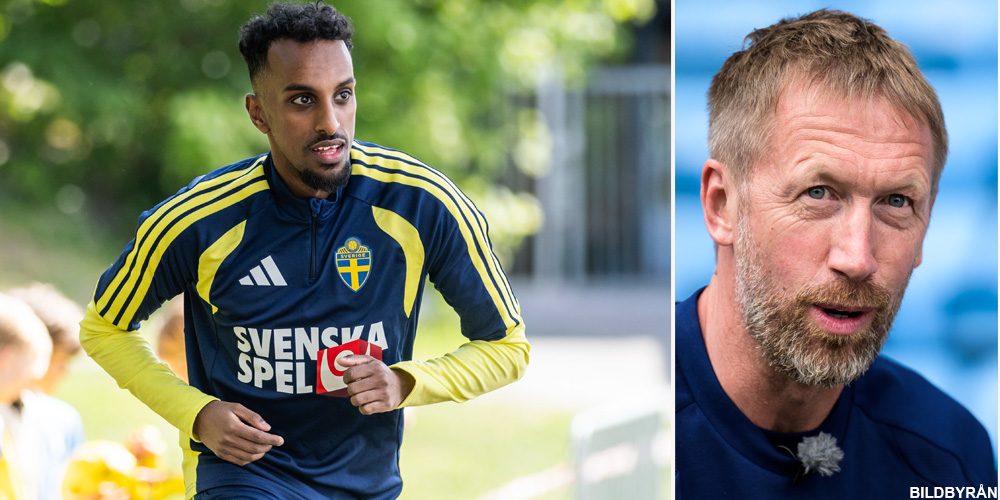
A Dream Written in the Stars
When Taha Ali walks out onto the pitch at the 2026 World Cup, he will be living a dream that once seemed impossible. The Swedish winger’s journey from working night shifts in the Stockholm subway to representing his country at football’s biggest tournament is one of the most remarkable stories in this year’s competition — a tale of perseverance, self-belief, and the refusal to let circumstances define one’s destiny.
Ali’s path to the World Cup is far from the conventional route taken by most international footballers. While his teammates were progressing through elite academies and youth national teams, Ali was playing in Sweden’s lower divisions, balancing his footballing ambitions with the very real need to earn a living. His story serves as an inspiration to every young player who has ever been told they are not good enough.
The Grind: Division 2 and the Night Shift
Just a few years ago, Ali was plying his trade in Sweden’s Division 2 — the fourth tier of Swedish football — while working overnight shifts in the Stockholm metro system to make ends meet. The gruelling combination of night work and daytime training would have broken most players, but Ali used it as motivation. Every shift on the subway was a reminder of where he did not want to be; every training session was a step towards where he desperately wanted to go.
His performances in Sweden’s lower divisions began to attract attention. Despite playing in relative obscurity, Ali’s natural talent was impossible to ignore. His dribbling ability, pace, and eye for goal set him apart from his peers, and it was only a matter of time before a professional club took notice.
The Breakthrough
Ali’s big break came when he earned a move to the Allsvenskan, Sweden’s top flight. Stepping up several levels, he faced sceptics who doubted whether a player with his unconventional background could make the transition. But Ali let his football do the talking. Within months, he had established himself as one of the most exciting wide players in the league, terrorising defenders with his direct running and creative flair.
His performances did not go unnoticed at the international level. Sweden manager Jon Dahl Tomasson, known for his willingness to reward form and character over reputation, brought Ali into the national team setup. The winger seized his opportunity, impressing in training and making an impact in his appearances for the Blågult.
A World Cup Call-Up Against All Odds
When the final World Cup squad was announced, Ali’s inclusion raised eyebrows among those unfamiliar with his journey. But for those who had followed his rise, it was a moment of pure validation. From Division 2 and the subway night shift to the biggest stage in world football — his selection is a testament to the meritocracy that makes football such a beautiful sport.
Ali himself has spoken movingly about his journey, saying that there are no limits to what you can achieve through dreams and hard work. His message resonates far beyond football, striking a chord with anyone who has ever faced adversity or been told their ambitions were unrealistic.
The Power of Belief
As Sweden prepare for their World Cup campaign, Ali represents more than just a tactical option on the wing. He embodies the fighting spirit and resilience that defines the Swedish national team. Every time he steps onto the pitch, he carries with him the story of every player who ever had to work a night shift before a game, every talent that was overlooked, and every dream that refused to die.
Whether Ali plays a starring role or a supporting one in this World Cup, his story has already made him one of the tournament’s most compelling figures. In a sport increasingly dominated by academy-produced superstars and multi-million-pound transfers, Taha Ali is a reminder that the beautiful game still has room for the most beautiful stories of all.