A Fourth Consecutive Appearance
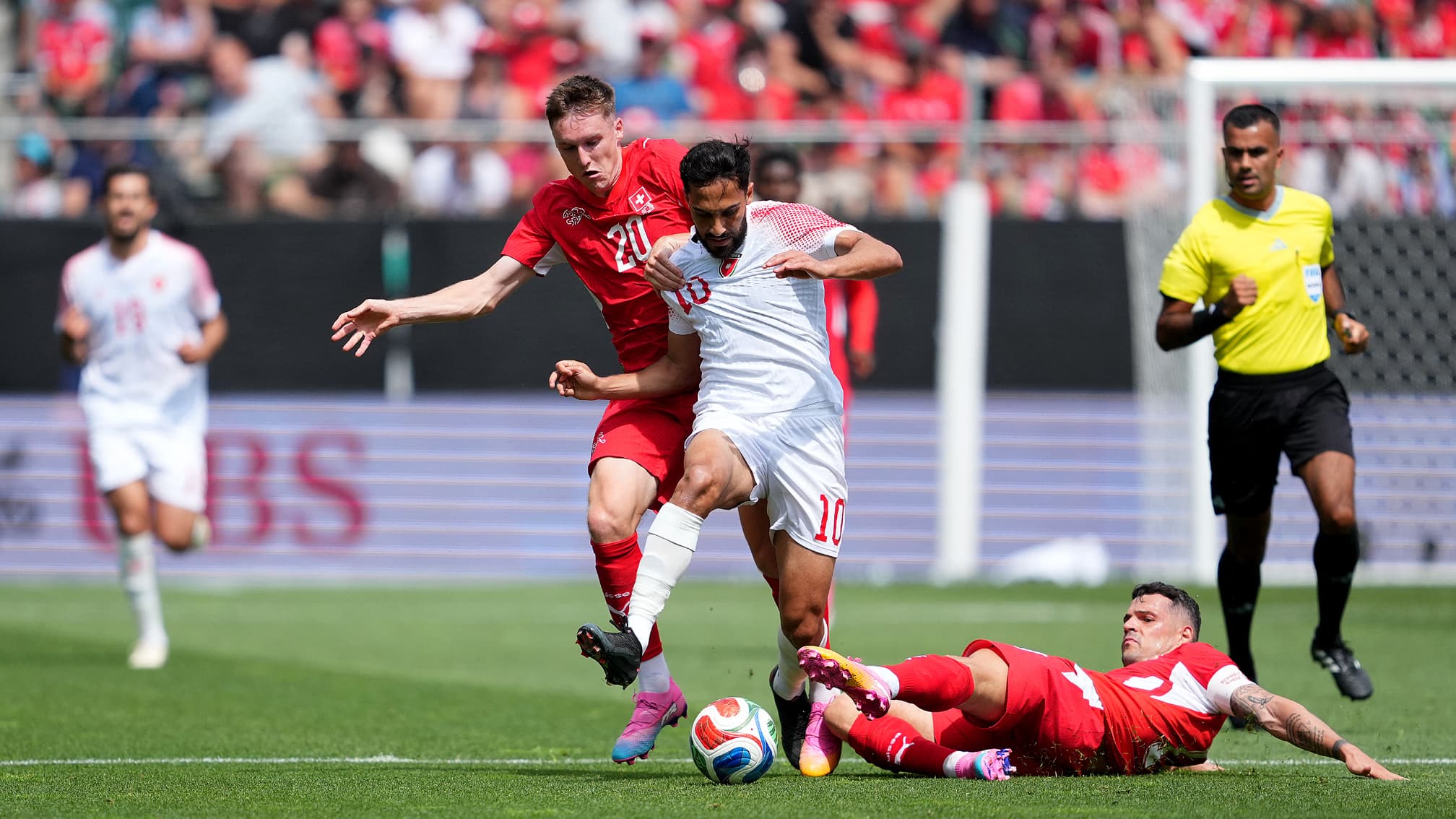
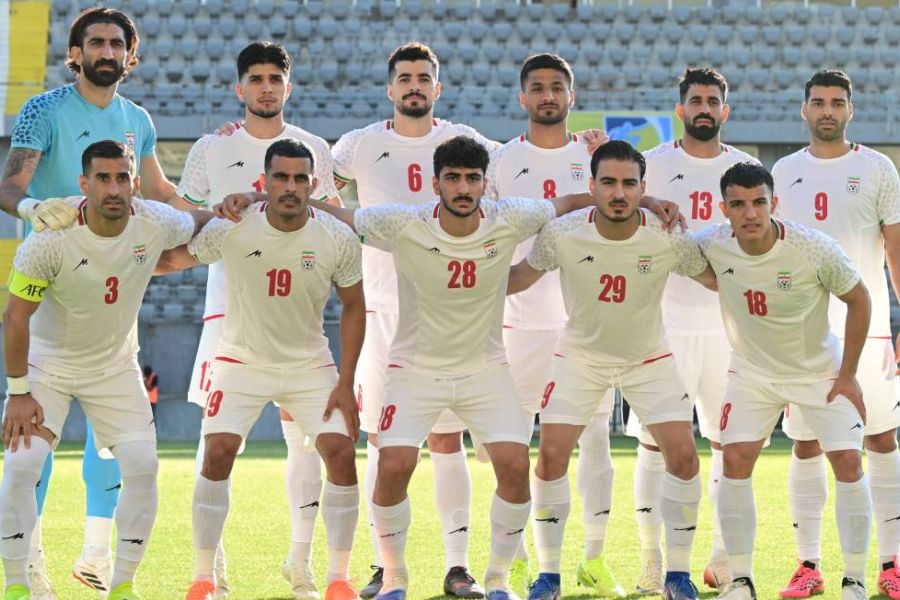
Iran arrive at the 2026 FIFA World Cup aiming to achieve something no previous Iranian side has managed: a place in the knockout rounds. This will be the fourth consecutive World Cup for Team Melli, a run that reflects the steady growth of Iranian football under a series of ambitious managers. In 2018, they came agonisingly close, finishing third in a group that included Spain and Portugal after holding both European giants to draws. In 2022, they pushed the United States and Wales before falling short. The message is clear: Iran are no longer merely making up the numbers.
The team travels to North America with a squad that combines experience from Europe top leagues with domestic-based talent. The spine of the team remains strong, anchored by a disciplined defensive structure that has frustrated stronger opponents time and again.
The Manager Factor
Iran preparation for this tournament has been shaped by the appointment of a manager with deep knowledge of Iranian football. Amir Ghalenoei, one of the most decorated coaches in the history of the Persian Gulf Pro League, took charge with the specific goal of breaking the group-stage barrier. With five league titles to his name, Ghalenoei understands how to organise a team defensively while creating attacking patterns that maximise limited possession.
His tactical philosophy is built on defensive solidity and rapid transitions. Iran typically sit deep, compress the central spaces, and look to spring counters through the pace of their attacking players. It is not the most aesthetically pleasing approach, but it has proven effective against technically superior opposition — exactly the kind of teams they will face in the group stage.
Key Players to Watch
Mehdi Taremi remains the most influential Iranian player in the squad. The Porto forward combines physical strength with intelligent movement, making him a constant threat in the box. His ability to hold up the ball and bring teammates into play is essential to Iran attacking transitions. Sardar Azmoun, when fit, provides a complementary threat with his pace and willingness to run in behind defences.
In midfield, Saeid Ezatolahi brings experience and positional discipline, shielding the back four and distributing the ball efficiently. The defensive line, led by a core of European-based centre-backs, has developed a strong understanding over several qualification cycles. Goalkeeping has also been a position of strength, with Iran consistently producing reliable shot-stoppers capable of match-winning performances.
Off-Pitch Narratives
No World Cup campaign involving Iran is complete without the backdrop of political and social dynamics that surround the team. The choice of accommodation, the reception the team receives, and the broader geopolitical context all add layers to Iran participation that go beyond sport. The players have shown remarkable resilience in navigating these pressures while maintaining focus on football.
This tournament also offers Iran the chance to change the conversation. A historic first knockout appearance would be a defining moment for Iranian football, inspiring a new generation of players and shifting perceptions of the nation footballing potential.
The Path to History
Iran group includes opponents that will test every aspect of their game. The opening fixture is critical — Team Melli must avoid defeat to stay in contention for the top two spots. Their defensive organisation makes them difficult to break down, but they will need moments of attacking quality to turn draws into wins.
The schedule creates an interesting dynamic: if Iran can take points off their stronger opponents, the final group match could become a winner-takes-all scenario. That is precisely the situation the squad has been preparing for throughout the qualification campaign. For a team that has made steady progress over the past decade, 2026 represents the best opportunity yet to make history.