A New Chapter for the Elephants
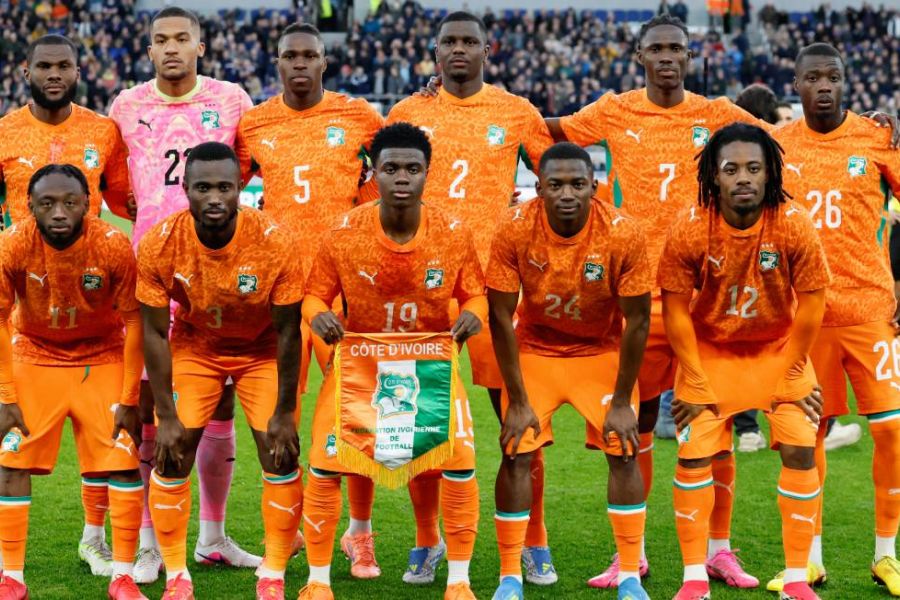
Ivory Coast have long been one of Africa most gifted football nations, and they arrive at the 2026 FIFA World Cup with a squad that blends youthful energy with the combativeness that has defined the Elephants over two decades. While the golden generation of Didier Drogba, Yaya Toure, and Didier Zokora captured the world imagination and put Ivorian football on the map, this new iteration is writing its own story — one built on collective discipline rather than individual superstars.
Under the guidance of manager Fae Emerse, who understands the identity of Ivorian football intimately, the team has developed a pragmatic but potent style. They are organised, physically imposing, and capable of matching any opponent in intensity. The 2023 Africa Cup of Nations victory on home soil demonstrated that this generation can deliver when it matters most.
Squad Profile
The current Ivory Coast squad may lack the household names of the Drogba era, but it is arguably more balanced. The defence is robust and experienced, with players plying their trade across Europe top leagues. The midfield combines technical security with athleticism, allowing the team to compete in transition against faster opponents.
In attack, Ivory Coast possess players who can produce moments of individual brilliance. The team offensive approach is direct and purposeful: win the ball, move it forward quickly, and exploit spaces behind the defensive line. This style suits tournament football, where set-piece efficiency and counter-attacking speed often determine the outcome of tight matches.
Tactical Approach
Emerse has instilled a defensive structure that is difficult to penetrate. The Elephants defend as a compact unit, with the midfield and forward lines pressing in coordinated patterns. This system requires high levels of fitness and concentration, but it has proven effective against technically superior opponents.
In possession, the approach is more conservative. Ivory Coast do not chase high possession percentages. Instead, they look to transition quickly after winning the ball, targeting the spaces left by opponents committed to attack. The fullbacks provide width, while the central midfielders time their runs into the box to create numerical superiority in crossing situations.
Set pieces are a significant weapon. Ivory Coast physical presence in both boxes makes them dangerous from corners and free kicks. In tournament football, where matches are often decided by fine margins, this dead-ball threat could be the difference between progression and elimination.
Group Stage Dynamics
Ivory Coast group presents a fascinating mix of styles. They will face opponents who will try to dominate possession and others who will match them physically. The key for the Elephants is to impose their own game: make the match physical, disrupt the opposition rhythm, and capitalise on set-piece opportunities.
The opening fixture is particularly important. A positive result would give Ivory Coast the platform to control their own destiny in the group. Their tournament experience — honed in the crucible of AFCON and previous World Cup appearances — gives them an edge in managing the psychological demands of the group stage.
African Football Rising
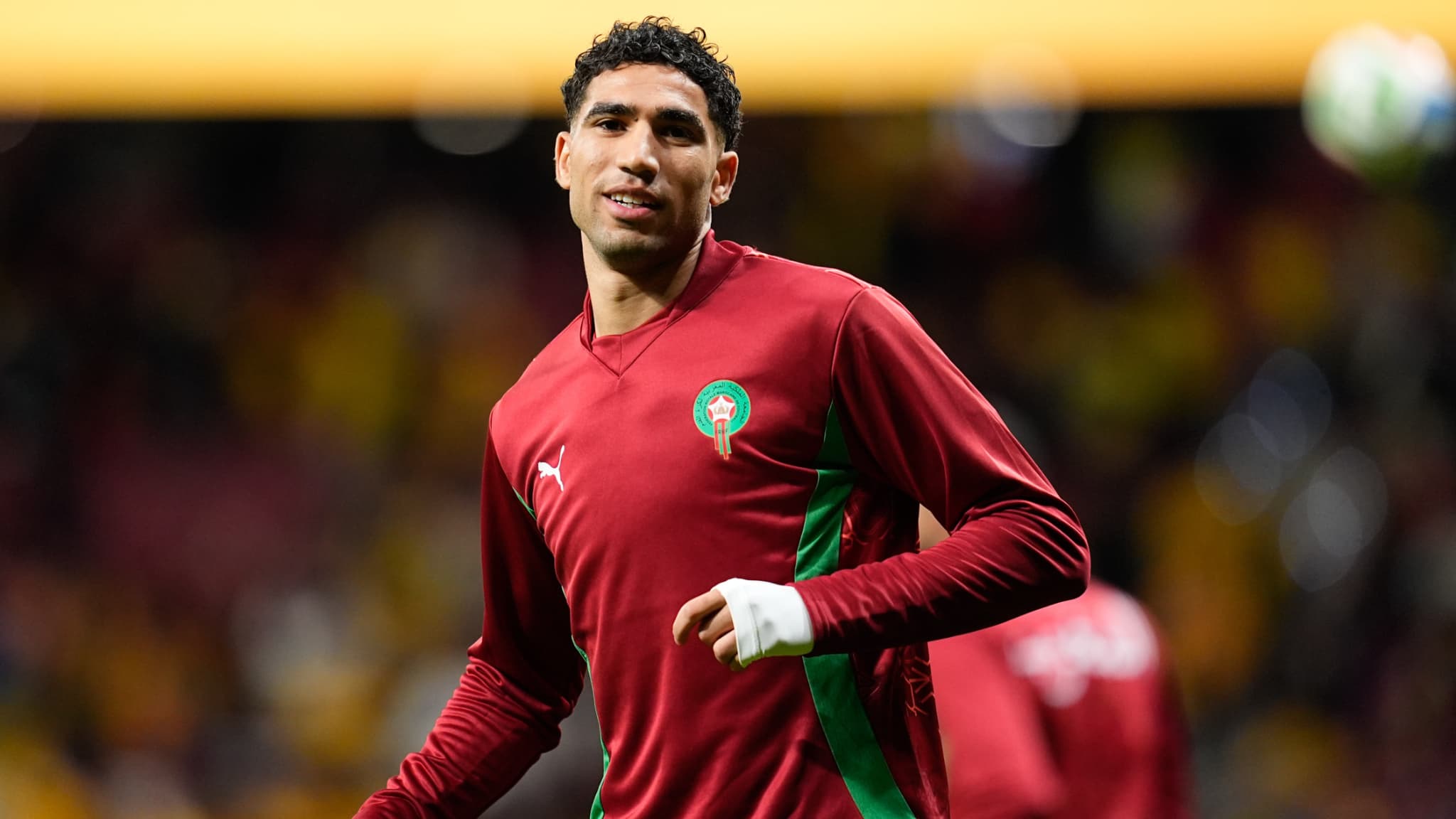
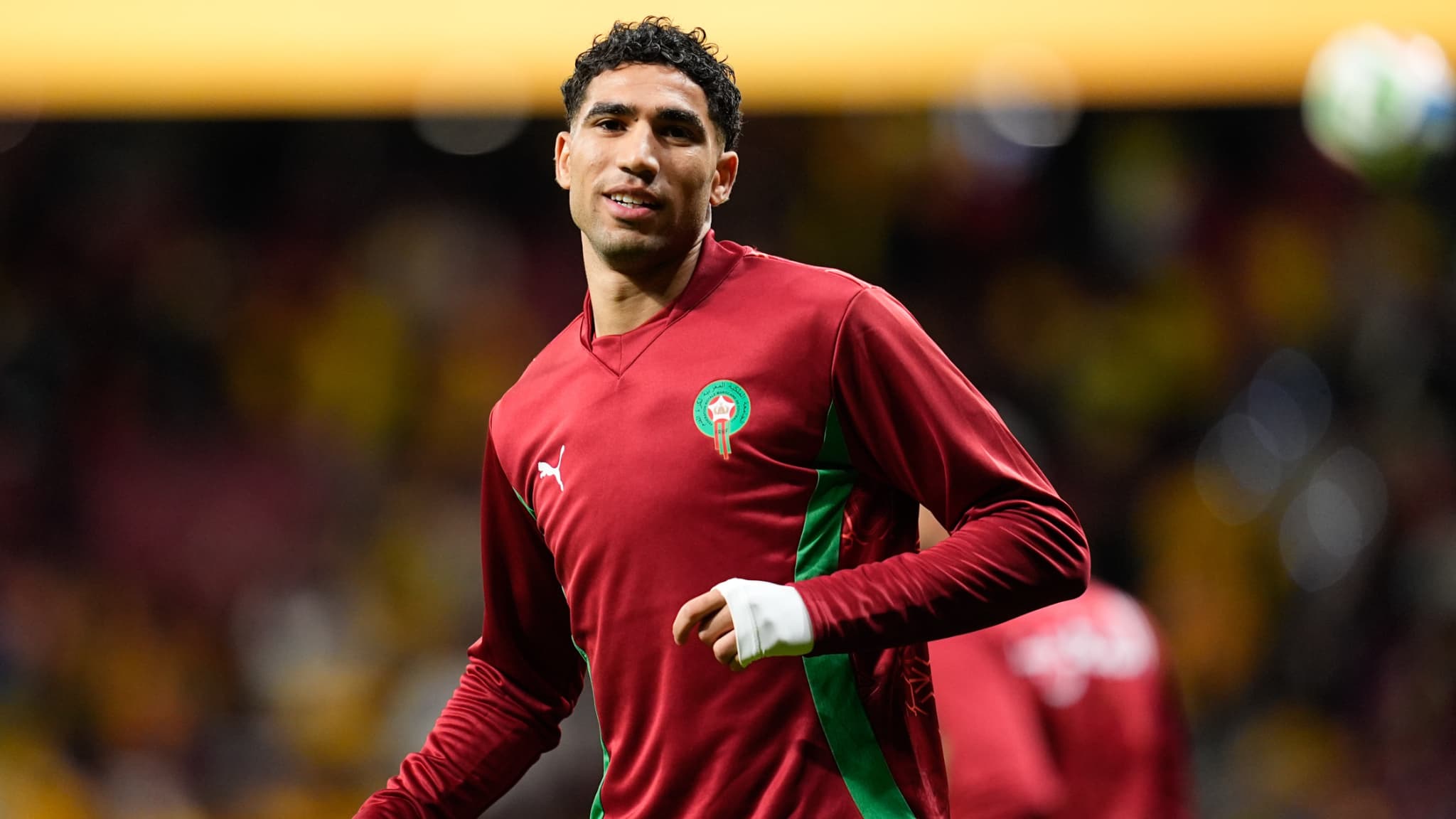
Ivory Coast journey to the 2026 World Cup is part of a broader story of African football progress. Morocco historic semifinal run in 2022 showed that African teams can compete with the world elite. Senegal have become a regular knockout-stage participant. Ivory Coast, with their blend of power and technique, are well-positioned to continue that trend.
A quarterfinal appearance would represent a historic achievement for the Elephants, surpassing their best previous World Cup performance. But more than the result, this tournament offers Ivory Coast the chance to redefine its footballing identity for a new generation — proving that the Elephants remain one of Africa most formidable forces on the global stage.