A Dream Deferred
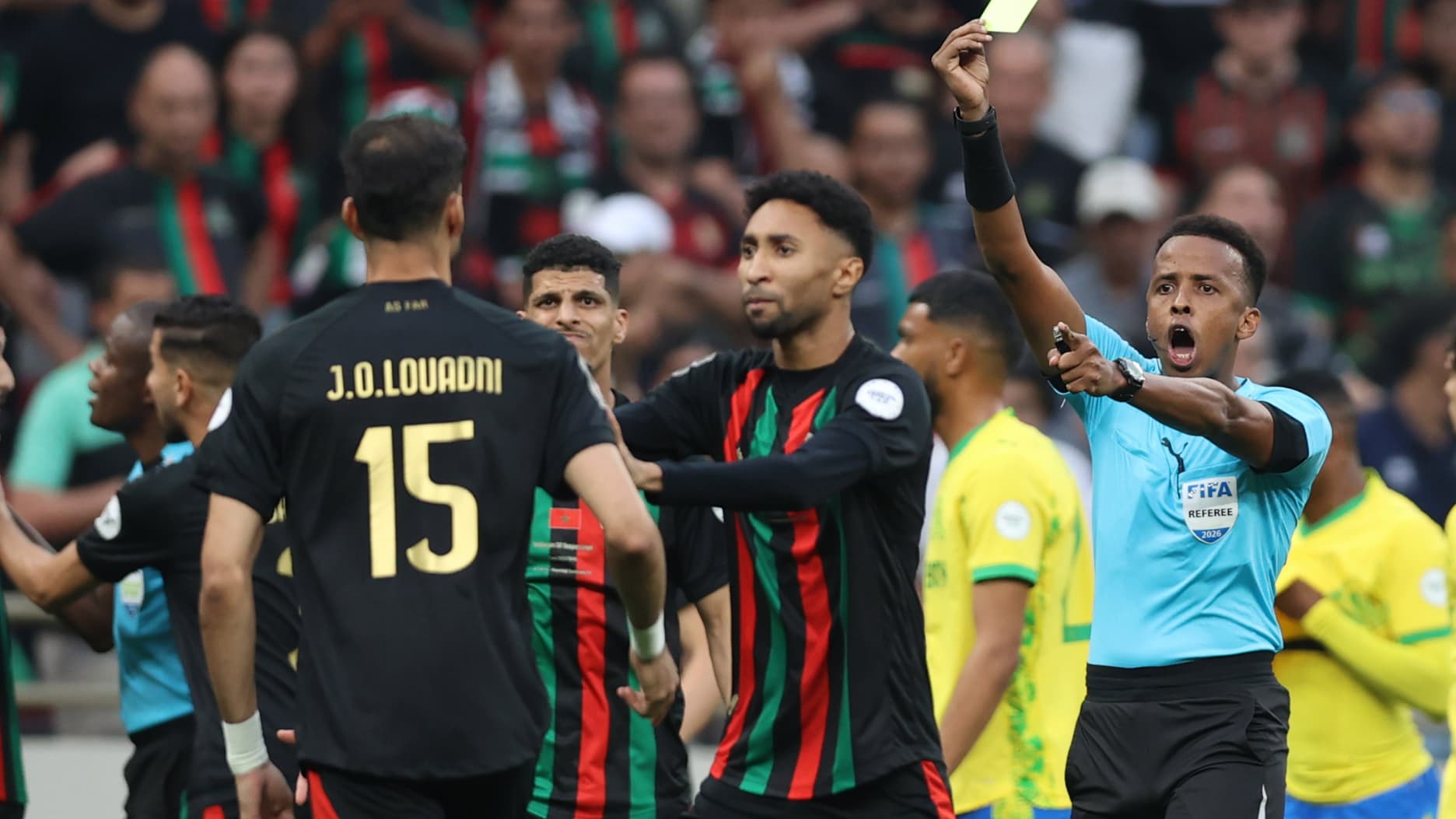
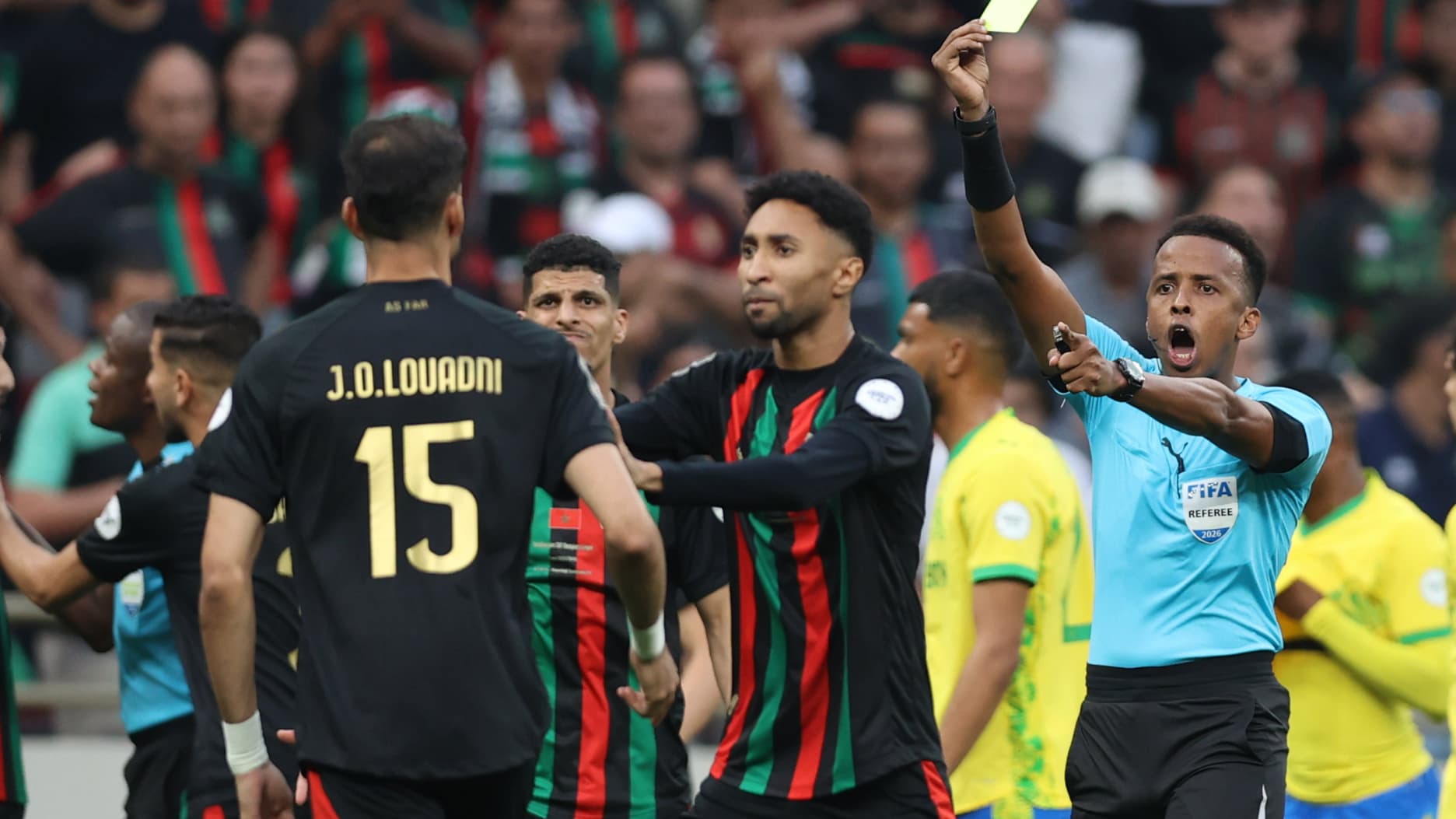
Somali referee Omar Abdulkadir Artan, widely regarded as one of Africa’s finest match officials, has vowed to maintain his positive outlook after being denied entry to the United States for the 2026 FIFA World Cup. In an emotional interview with Globo Esporte, Artan revealed he was stopped at immigration despite holding all necessary documentation and an official invitation from FIFA.
The 41-year-old official, who has refereed at the highest level of African football including CAF Champions League finals, was scheduled to be part of the World Cup officiating contingent. His exclusion has sparked widespread debate about the fairness of entry procedures for international sporting events.
Good Humour Amid Disappointment
Despite the setback, Artan insisted he remains in good spirits. I am disappointed not to be part of the World Cup, but I hold no bitterness, Artan told Brazilian media. Football has given me so much, and I am grateful for the opportunities I have had. This is just one chapter, not the whole story.
The Somali referee built his reputation through years of dedication in African competitions, earning praise from CAF officials for his calm decision-making and consistent performances. His journey from war-torn Somalia to the pinnacle of African refereeing was already considered one of football’s most inspiring stories.
Reactions and Support
Football figures across the continent have rallied behind Artan. African football has lost a great representative, said a CAF spokesperson. Omar is a professional of the highest calibre, and his absence diminishes the diversity of officiating at this World Cup.
The Iranian national team’s travel issues have also drawn attention this week, with the squad arriving in the United States only a day before their opening match against New Zealand. The convergence of visa and entry complications has raised broader questions about World Cup hosting protocols.
What Comes Next
Artan plans to continue his refereeing career in African competitions and harbours hopes of officiating at the 2030 World Cup. For now, he will watch the tournament from home, offering analysis and support to the officials who did make the journey. FIFA has not commented publicly on his specific case, though the organisation maintains that visa matters fall under the jurisdiction of host nations rather than the governing body.
The Somali referee’s dignified response to the situation has only enhanced his reputation, with many calling for him to be celebrated rather than forgotten as the World Cup gets underway.