Built from the Back
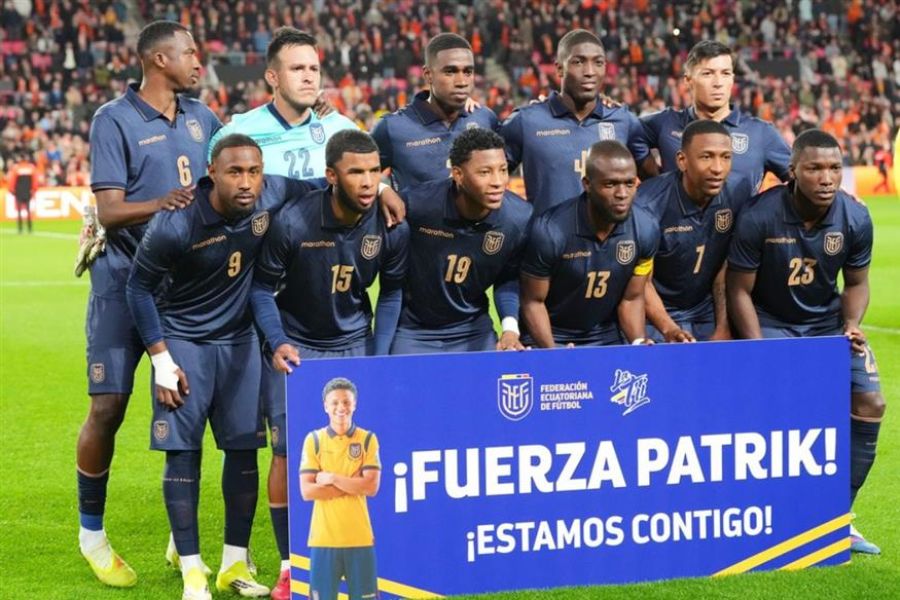
Ecuador arrive at the 2026 FIFA World Cup with a reputation as one of South America most difficult teams to break down. Their qualification campaign was built on an extraordinary defensive record — just five goals conceded across the entire CONMEBOL qualifying marathon. In a confederation that features the attacking firepower of Brazil, Argentina, and Uruguay, that statistic is nothing short of remarkable. It signals a team that is organised, disciplined, and tactically astute enough to frustrate even the most potent attacks.
La Tri head into this tournament looking to build on their appearance in Qatar 2022, where they impressed in the group stage before falling to the Netherlands in a tight encounter. The experience gained from that campaign has been invaluable, and the core of the squad has matured together through two World Cup cycles.
The Defensive Foundation
The cornerstone of Ecuador success is a back line that functions as a cohesive unit. Piero Hincapie and Willian Pacho have developed into one of the most reliable centre-back partnerships in South American football. Both are comfortable in one-on-one situations, read the game well, and have the recovery pace to cover when the defensive line is caught high. The fullbacks provide width in attack but are disciplined enough to track back and maintain the defensive shape.
What makes Ecuador defence particularly effective is the structure in front of it. The midfield screen, anchored by Moises Caicedo, operates with remarkable positional intelligence. Caicedo covers enormous amounts of ground, breaks up opposition play, and transitions the ball forward quickly. His presence allows the back four to remain compact and focused on their defensive duties rather than being pulled out of position.
Attacking Potential
While defence is Ecuador calling card, they possess genuine attacking threats. The team is dangerous on the counter-attack, using the speed of their wide players to exploit spaces left by opponents committing numbers forward. The midfield runners provide support, arriving late in the box to finish chances created by the wide men.
The key challenge for Ecuador is converting their defensive solidity into goals when facing teams that sit deep. In qualification, they relied on set pieces and transition moments rather than sustained possession play. Against well-organised defences that deny space in behind, Ecuador must find alternative ways to create scoring opportunities. The individual quality of their attacking players will be tested in these situations.
Group Stage Prospects
Ecuador group draw places them against opponents who will test different aspects of their game. The opening fixture against a possession-oriented team will examine their defensive organisation and discipline. A positive result would set the tone for the group and give the team the platform to play on their terms.
The schedule then presents matches against physical opponents who will try to disrupt Ecuador rhythm. These are the games where La Tri defensive resilience comes to the fore. If they can keep matches tight and create one or two clear chances, their set-piece efficiency could make the difference.
Can They Go Deep?
Ecuador realistic target is a place in the round of 16, where they would face one of the group winners. A knockout match against a tournament favourite would be a step up in class, but this Ecuador team has shown it can compete with the best. Their defensive record against Brazil and Argentina in qualifying speaks to their ability to perform on the biggest stage.
A quarterfinal appearance would be a historic achievement for Ecuador, surpassing their best World Cup performance. Whether they can reach that level depends on maintaining their defensive discipline while finding enough attacking output to win the tight matches that define tournament football. La Tri have the defensive tools — now they need the moments of attacking inspiration to turn potential into achievement.