A Brief and Disastrous Italian Adventure
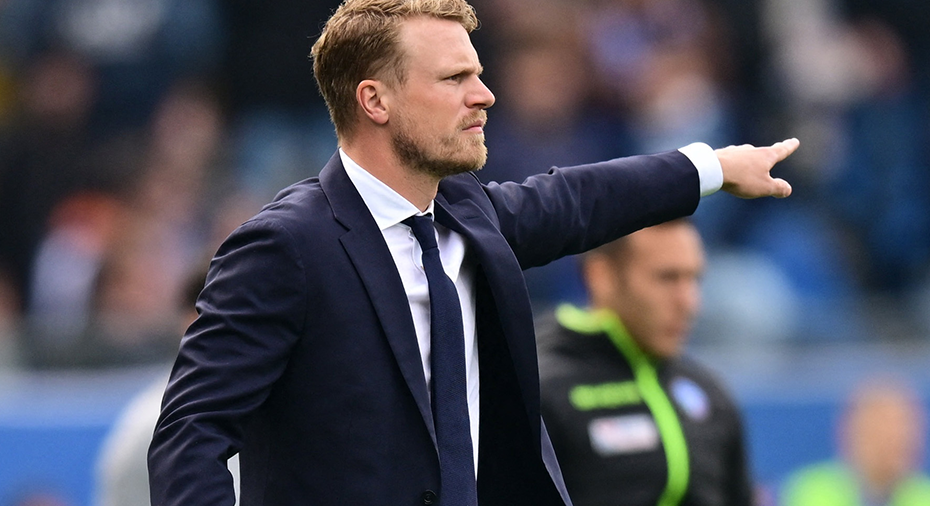
Oscar Hiljemark arrived in Pisa with ambition and a reputation built during his successful spell at Elfsborg. On February 3, he left Swedish football behind to take on the challenge of managing Pisa in Serie B, hoping to establish himself as a coaching talent on the European stage. What followed, however, was described by local media as the worst managerial period in the club history.
The 33-year-old Swedish coach lasted just 15 matches at the helm, losing 13 of them. His tenure ended in relegation as Pisa slipped back to Serie C, a catastrophic outcome for a club that had harboured genuine hopes of climbing toward the top half of the second division. The final statistics make grim reading and have drawn scathing criticism from Italian journalists.
Harsh Words from Italian Press
Michele Bufalino, a prominent football columnist for Sestaporta, did not hold back. He described Hiljemark spell as unequivocally the lowest point on the Pisa bench in the club history, a statement that resonates deeply given the club long and varied coaching lineage. The columnist argued that never before had a manager produced such a poor return with so little evidence of any tactical identity or improvement over time.
The criticism extended beyond results to the manner of the performances. Reports from local media highlighted a lack of organisation, confused tactical approaches, and an inability to adapt during matches. Players reportedly struggled to understand what was being asked of them, contributing to the alarming run of defeats.
What Went Wrong
The transition from Allsvenskan to Serie B was always going to be challenging. The Italian second division is notoriously demanding, with a deep tactical culture and a relentless fixture schedule. However, the scale of the failure has raised questions about whether Hiljemark was adequately prepared for the step up and whether the club due diligence in appointing him was sufficient.
Among Swedish football observers, opinions are divided. Some argue that no manager could have succeeded in a club already in decline, while others point to the absence of any discernible style or pattern in Pisa performances as evidence that Hiljemark was simply out of his depth at this level. The fact that he inherited a squad that had finished mid-table the previous season suggests the raw materials were not the primary problem.
Lessons and Future
Hiljemark has not commented publicly since his dismissal. The experience will undoubtedly be a sobering chapter in his coaching career, but it does not necessarily define his potential. Many successful managers have endured disastrous early assignments abroad before learning and returning stronger.
For Pisa, the task now is to rebuild in Serie C with a new appointment. The club will hope this painful episode becomes a footnote rather than a defining moment, while Swedish football watches to see whether Hiljemark can rebuild his reputation closer to home or in a more familiar environment.