Tag: World Cup 2026

  • World Cup 2026 Odds: Breaking Down the Favorites, Dark Horses, and Long Shots

    World Cup 2026 Odds: Breaking Down the Favorites, Dark Horses, and Long Shots

    The Stage Is Set

    The three-and-a-half-year wait is almost over. In just two days, Mexico and South Africa will kick off the 2026 World Cup, and for the next month-plus, the football world will be glued to screens across North America. While predictions are a notoriously unreliable business in tournament football, the oddsmakers have had their say — and there are some fascinating storylines at every level of the betting board.

    The Favorites: France Lead the Pack

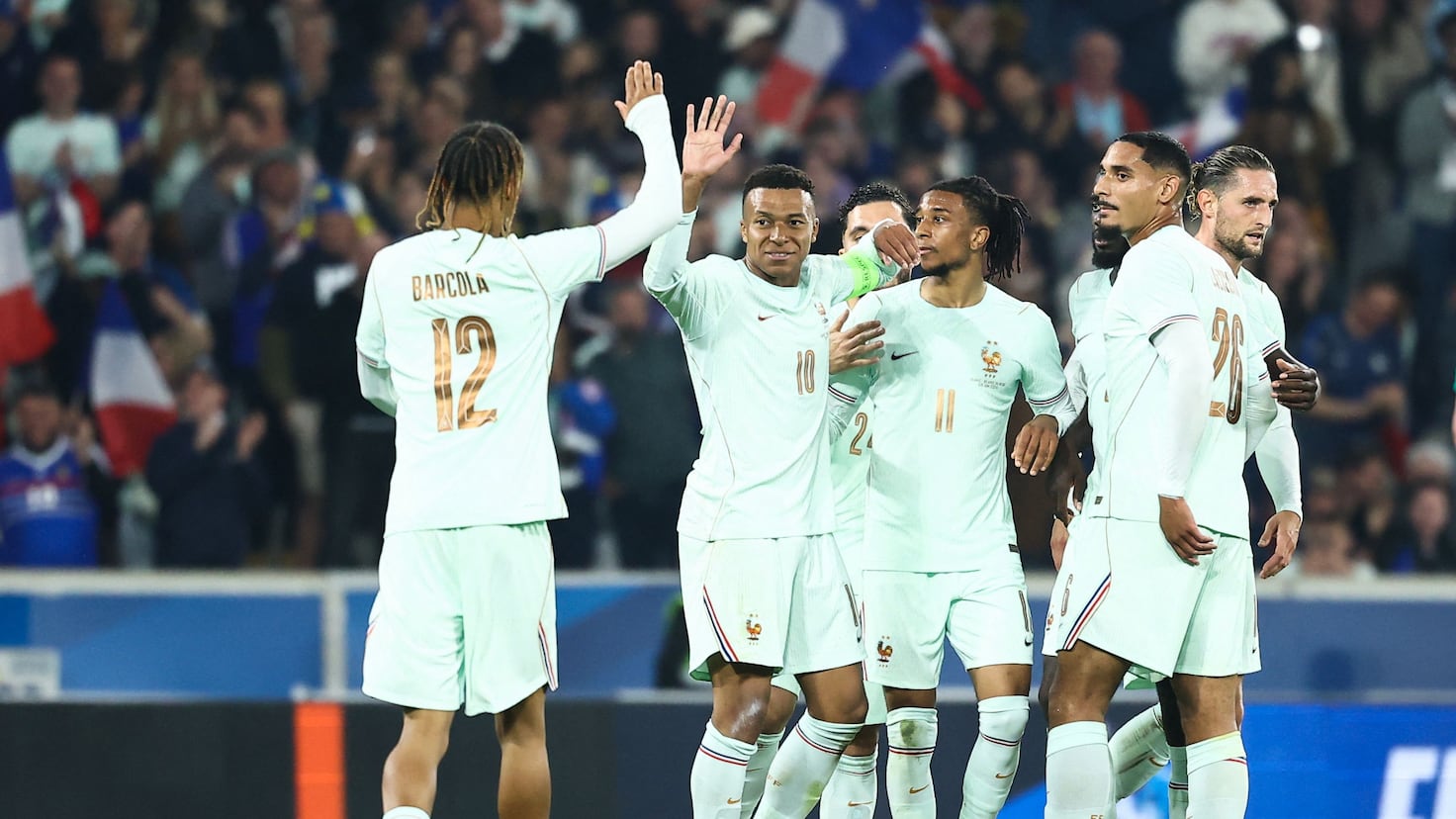
    France enter the tournament as the betting favorites at +475, and it is not difficult to see why. Didier Deschamps’ side won it all in 2018, took Argentina to penalties in an unforgettable 2022 final, and arrive in 2026 with a squad that blends elite experience with frightening young talent. Michael Olise’s stunning hat-trick in the final warm-up against Northern Ireland only reinforced what many already believe — this French attack, featuring Kylian Mbappe and Ousmane Dembele alongside Olise, might be the most dangerous in the tournament.

    Brazil (+600) are not far behind. The Selecao always carry the weight of expectation, and this generation is hungry to deliver a sixth star. With Vinicius Junior, Rodrygo, and a deep squad, they have the tools to go all the way.

    England: Can Tuchel End 60 Years of Waiting?

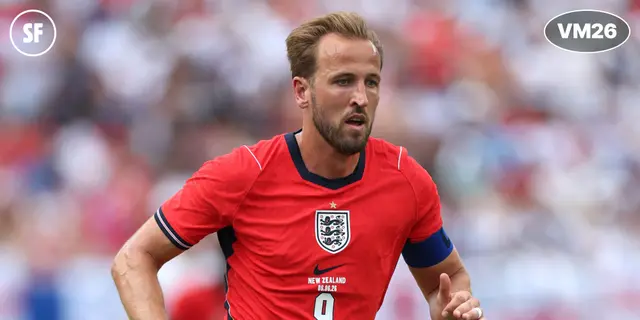
    Thomas Tuchel’s England (+700) are the third favorites, carrying the hopes of a nation that has not seen a major trophy since 1966. The German manager has instilled a pragmatic but effective style, and this England squad is arguably the most talented in a generation. Jude Bellingham, Bukayo Saka, and Harry Kane form a formidable spine, and the Three Lions have the depth to navigate a long tournament. The question is whether they can handle the psychological pressure when it matters most.

    Argentina: Defending Champions Carrying Messi’s Legacy

    Defending champions Argentina (+900) are the first South American team on the board. Lionel Messi, now 39, is playing in what is almost certainly his final World Cup. The tournament in Qatar was the crowning moment of his extraordinary career, and the Albiceleste will be desperate to give their captain a fitting farewell. But the weight of defending the crown is heavy — no South American team has won back-to-back World Cups since Brazil in 1962.

    The Dark Horses: Germany, Spain, and Portugal

    Germany (+1400) showed flashes of brilliance in their warm-up win over the USMNT, though there were moments where Mauricio Pochettino’s side looked the better team. Julian Nagelsmann has rebuilt the squad after successive early exits, and Die Mannschaft cannot be discounted.

    Spain (+1600) remain a possession juggernaut under Luis de la Fuente, while Portugal (+1800) boast perhaps the deepest squad in the tournament, even as Cristiano Ronaldo enters what is surely his last World Cup at age 41. The supporting cast — Bruno Fernandes, Bernardo Silva, Rafael Leao, and Ruben Dias — gives Portugal genuine credentials.

    The Intriguing Outsiders

    Norway (+3500) are back in the World Cup for the first time since 1998, and they are led by the Premier League’s all-time leading scorer, Erling Haaland. Martin Odegaard pulls the strings in midfield, making Norway a dangerous wildcard who nobody will want to face in the knockout rounds.

    Morocco (+4000) captivated the world in 2022 by reaching the semifinals, and they have only grown stronger since. The Atlas Lions have genuine belief that they can repeat — or even improve upon — their historic run.

    Source: AS Soccer — original reporting

  • From Ricky Martin to Shakira: The Unforgettable Soundtrack of World Cup History

    From Ricky Martin to Shakira: The Unforgettable Soundtrack of World Cup History

    The Global Soundtrack of Football’s Biggest Stage

    Every four years, for roughly five or six weeks, the World Cup takes over lives across every continent. It does not matter where you live — the tournament creates a shared experience that transcends language, culture, and borders. And running alongside every goal, every save, and every dramatic penalty shootout is the music that defines each edition.

    From stadium anthems that send chills down the spine to radio hits that become unavoidable for an entire summer, World Cup songs have carved out a unique place in popular culture. Some become timeless classics; others are quickly forgotten. But every tournament brings its own soundtrack.

    Shakira Rules the Summit

    If any single artist can claim the crown of World Cup anthems, it is Shakira. Her 2010 hit “Waka Waka (This Time for Africa)” — the official song of the South Africa World Cup — remains the benchmark against which every subsequent anthem is measured. The infectious rhythm, the celebratory dance moves, and the融合 of African influences made it an instant global phenomenon. More than a decade later, it still fills dance floors wherever football fans gather.

    Shakira’s connection to the tournament runs deep. She also performed at the 2014 closing ceremony in Brazil, cementing her status as the Queen of World Cup music. No other artist has matched her impact on the tournament’s musical identity.

    From Humble Beginnings to Full Soundtracks

    The tradition of official World Cup songs is surprisingly modern. It was not until the 1962 edition that FIFA began to formalize any involvement with tournament music. Before that, the connection between football’s biggest event and popular music was loose at best.

    Over the past 36 years, what began as a single song — or perhaps two — associated with a particular World Cup has ballooned into sprawling official soundtracks featuring multiple artists, genres, and languages. The 1998 France World Cup gave us “La Copa de la Vida” by Ricky Martin, a song so energetic that it became the unofficial anthem of an entire generation of football fans. The 2006 Germany edition featured a range of global stars, while 2010 set the modern template with a meticulously curated soundtrack that mixed Afropop, reggaeton, and mainstream pop.

    When Anthems Miss the Mark

    Not every official song strikes the right note. For every “Waka Waka” or “La Copa de la Vida,” there are World Cup anthems that fans would rather forget. Some are too generic, others too experimental, and a few simply fail to capture the mood of the tournament they are meant to represent. But even the misfires become part of the tapestry — a reminder that capturing the spirit of a global event in a three-minute pop song is no easy task.

    The 2026 Edition

    With the 2026 World Cup set to kick off across the United States, Canada, and Mexico, the question on everyone’s lips is: who will provide this summer’s defining anthem? FIFA has already begun rolling out promotional tracks, and fans are eagerly debating which artist can fill Shakira’s shoes. Whether it emerges from the official soundtrack or from an unexpected viral moment, one thing is certain — by the time the final whistle blows on July 19, there will be a song that defined the summer of 2026.

    Source: AS Soccer — original reporting by Calum Roche
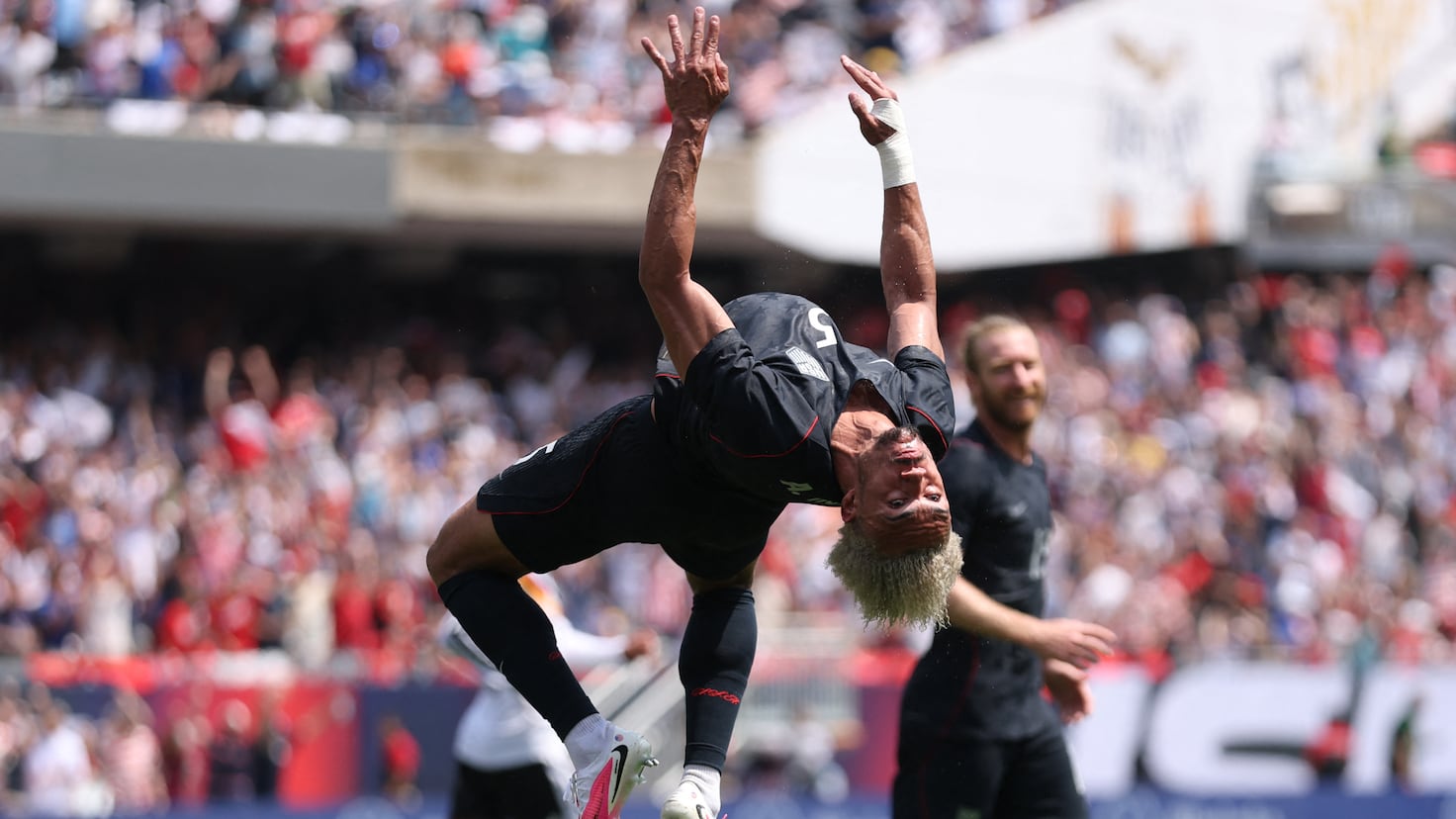
  • Why USMNT Fans Should Believe: Pochettino’s Side Are Ready to Defy the Odds at 60-1

    Why USMNT Fans Should Believe: Pochettino’s Side Are Ready to Defy the Odds at 60-1

    A Nation’s Hope

    “So you’re telling me there’s a chance.” The famous line from Dumb and Dumber has become an unlikely rallying cry for USMNT supporters heading into the 2026 World Cup. And while the oddsmakers have Mauricio Pochettino’s side at 60-1 to lift the trophy, there are compelling reasons to believe this team could exceed expectations on home soil.

    The United States have never won the World Cup. In fact, only eight nations have ever achieved that feat across 23 editions. But the expanded 48-team format, the advantage of being co-hosts, and a squad that has matured significantly over the past four years have created a perfect storm of opportunity. The USMNT enter the tournament ranked 13th in the betting markets, and that feels like both an underestimation and a fair reflection of their standing in the global game.

    The Pochettino Factor

    Mauricio Pochettino’s appointment as head coach was a statement of intent. The Argentine, who transformed Tottenham Hotspur into Champions League finalists and won Ligue 1 with PSG, brings a level of tactical sophistication and big-game experience that the USMNT have never had in the dugout. His high-pressing system demands physical excellence and tactical discipline — qualities that suit the athletic profile of the American player pool.

    Under Pochettino, the USMNT have developed an identity. They press aggressively, transition quickly, and play with a fearlessness that was sometimes absent in previous cycles. The team’s performances in their pre-tournament friendlies have shown encouraging signs, with Pochettino successfully integrating young talents alongside established stars like Christian Pulisic and Weston McKennie.

    Home Advantage in a 48-Team World

    Host nations have a remarkable record in World Cup history. Since 1930, hosts have reached the semi-finals in 15 of 21 tournaments, with six winning the trophy on home soil. The United States themselves reached the Round of 16 in 1994 as hosts, losing to eventual winners Brazil. The 48-team format, which adds a Round of 32, gives the USMNT additional margin for error — a bad group-stage performance doesn’t automatically spell elimination.

    The Americans will play their group matches on home soil, with the support of passionate crowds in venues across the United States. The travel advantage is significant: while European and South American sides crisscross the continent, the USMNT can base themselves in familiar surroundings and avoid the gruelling logistics that opponents must navigate.

    The Rising Talent Pool

    The USMNT’s player development pipeline has never been stronger. Christian Pulisic, now in his prime at AC Milan, remains the talisman. Weston McKennie and Tyler Adams provide steel and energy in midfield. Gio Reyna, when fit, offers creative genius. But it is the emergence of a new generation — players like Folarin Balogun, Yunus Musah, and Ricardo Pepi — that has elevated the squad’s ceiling.

    Perhaps most encouraging is the increasing number of Americans playing at elite levels in Europe. The old concern about MLS-based players lacking top-level experience no longer applies. This squad has Champions League minutes, Premier League intensity, and Bundesliga discipline. They are battle-hardened in a way no previous USMNT generation has been.

    The Path Ahead

    The USMNT’s route to the knockout stages begins with their group fixtures, where they will aim to secure top spot and a favourable draw in the Round of 32. From there, bracket position becomes everything. A potential Round of 16 clash against a group runner-up is winnable. The quarter-finals would likely pit them against a traditional powerhouse — and that is where Pochettino’s tactical nous and the energy of the home crowd could make the difference.

    Sixty-to-one may not inspire confidence in the casual observer. But in a tournament where 48 teams compete, where hosts historically overperform, and where Pochettino is orchestrating from the touchline, the USMNT have a real chance to do something special. As Jim Carrey’s character would say: “There’s a chance.” And sometimes, that’s all a team needs.

    — Original analysis based on oddsmaker data, historical tournament trends, and squad evaluation.

  • 48 Teams, 48 Questions: Everything You Need to Know About World Cup 2026

    48 Teams, 48 Questions: Everything You Need to Know About World Cup 2026

    A Tournament Like No Other

    The 2026 World Cup is officially here, and it promises to be the most groundbreaking edition in the tournament’s 96-year history. For the first time, 48 nations will compete across three host countries — the United States, Mexico, and Canada — in what has been billed as the largest sporting event ever staged. With 104 matches scheduled across 16 stadiums, the tournament marks a seismic shift in the global game’s showpiece event.

    The action gets underway on Thursday, June 11, when Mexico face South Africa at the Estadio Azteca in Mexico City, followed by an opening ceremony 90 minutes before kick-off. The final is set for Sunday, July 19 at MetLife Stadium in New Jersey, where the world champion will be crowned in front of an expected global audience of billions.

    The New Format: What Has Changed?

    The expansion from 32 to 48 teams is the single biggest structural change since the tournament moved from 24 to 32 teams in 1998. Under the new format, the 48 teams are split into 12 groups of four, with the top two from each group advancing to a newly created Round of 32. The eight best third-placed teams will also progress, ensuring that no group match lacks meaning.

    This means a total of 72 group-stage matches before the knockout rounds even begin — more matches than the entire tournament offered before 1982. Critics argue it dilutes quality, but advocates point to the opportunity for smaller nations like Cape Verde, Curacao, and New Zealand to make their mark on the biggest stage.

    Host Cities and Stadiums

    The United States leads the hosting contingent with 11 stadiums spanning from Seattle to Miami. Notable venues include the SoFi Stadium in Los Angeles, AT&T Stadium in Arlington (the largest-capacity venue at 105,000), and the Mercedes-Benz Stadium in Atlanta. Mexico contributes three venues, including the iconic Estadio Azteca — the only stadium to have hosted three World Cups (1970, 1986, and now 2026). Canada’s two venues are BC Place in Vancouver and BMO Field in Toronto.

    The geographic spread means teams will face significant travel demands, with some group-stage opponents playing matches over 3,000 miles apart. This has already become a talking point in camp preparations, with several nations basing themselves in regional hubs to minimize disruption.

    Favourites and Dark Horses

    Defending champions Argentina enter the tournament as one of the favourites, led by Lionel Messi who at 38 may be featuring in his final World Cup. Brazil, seeking a record-extending sixth title, boast perhaps the deepest squad in the competition. Hosts USA, ranked 13th by the oddsmakers, are seen as a live outsider at 60-1, with Mauricio Pochettino’s side hoping to ride home advantage deep into the knockout stages.

    England, under Thomas Tuchel, are among the top contenders alongside France, Spain, and Germany. Morocco, the first African semi-finalist in 2022, are again tipped to make a deep run, while Senegal and Cape Verde represent Africa’s growing strength. Among the potential disruptors, Curacao have been tipped as the surprise package most likely to emulate Costa Rica’s 2014 quarter-final run.

    What About the Top Scorer Race?

    The Golden Boot race is wide open. Kylian Mbappe, already a World Cup winner at 19 in 2018 and top scorer in 2022, will be aiming for a third consecutive tournament with a major goal haul. Erling Haaland will lead Norway’s attack in their first World Cup appearance. Harry Kane, England’s all-time leading scorer, will be desperate to end his trophy wait. And keep an eye on Brazil’s Vinicius Junior and Argentina’s Julian Alvarez, both of whom enter in red-hot form.

    With so many subplots, storylines, and potential fairy tales, the 2026 World Cup is set to be an unforgettable summer of football. The answers to all 48 questions will unfold over the next five weeks, and the beautiful game will be all the richer for it.

    — Original analysis based on reporting by Sky Sports, Sky Bet odds, and tournament data.

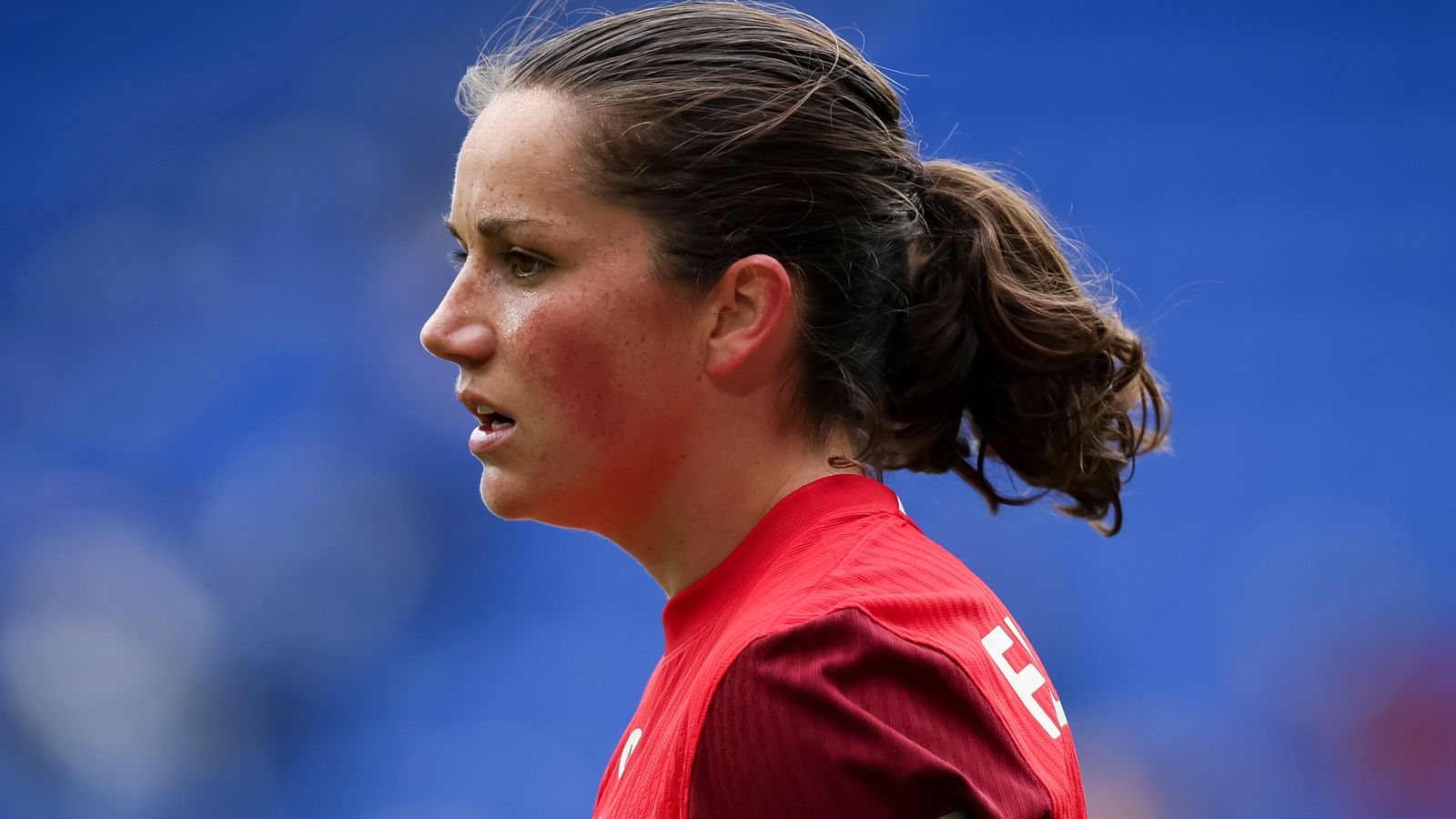
  • Jessie Fleming on Leadership, Mental Health, and Leading Canada Into a New Era

    Jessie Fleming on Leadership, Mental Health, and Leading Canada Into a New Era

    When Jessie Fleming inherited the Canada captaincy from Christine Sinclair — arguably the greatest goalscorer in international football history — she knew the weight of the armband came with responsibilities far beyond the pitch. Now, as she prepares to lead her country into the next round of World Cup qualification, the Portland Thorns midfielder is opening up about the mental health strategies that have shaped her career.

    Following a Legend

    Sinclair’s retirement left a void that cannot be filled by goals alone. With 190 international strikes, the former captain was the face of Canadian women’s football for two decades. Fleming’s approach has been different but equally impactful — she leads through introspection, empathy, and an openness about the psychological demands of elite sport that was rarely discussed during Sinclair’s era.

    “Maybe I underestimated how difficult it would be,” Fleming reflects on the captaincy. “I’ve definitely come back to leaning on some of these mental health-related tools. My brain likes to sway more towards self-doubt and overthinking, and I take the role very seriously, which leads me to question whether something I said to a team-mate has impacted them negatively.”

    Building a Mental Health Toolkit

    Fleming is part of a new audio series from Common Goal and Everton in the Community, alongside figures like Vivianne Miedema, Naomi Girma, and Becky Sauerbrunn, exploring the mental health challenges faced by professional footballers. For Fleming, the topic is deeply personal. Since joining Chelsea at the age of 22, she has developed coping strategies that blend professional support with the camaraderie of the dressing room.

    “One thing that I’ve been really grateful for is the group of players that I have around me,” she explains. “That’s another element of mental health — I’ve been able to lean on close friends and team-mates and there are so many other leaders on the team.”

    The Pressure of Canadian Expectations

    Canada’s women’s team has set a high bar. Olympic gold in Tokyo 2020 was followed by a bronze in Paris 2024, establishing the national side as perennial contenders on the world stage. Fleming was a key figure in both campaigns, and the expectation to maintain that standard while integrating a new generation of players is a challenge she confronts honestly.

    “It’s something I’m trying to work through from a mental health perspective,” she says. “Not putting too much pressure on myself for it to just be me or be someone that I’m not.”

    Life at Portland Under Vilahamn

    Fleming’s move to Portland Thorns reunited her with Robert Vilahamn, the former Tottenham boss who brought an attacking philosophy to the NWSL side. The transition from the WSL, where she spent five trophy-laden years at Chelsea, to the more physically demanding American league has required adaptation — but Fleming believes the change has made her a more complete player.

    As Canada prepares for the next phase of World Cup qualification, Fleming’s leadership will be critical. She represents a new archetype of football captain — one for whom mental strength is not a given to be assumed but a practice to be cultivated daily. In sharing her journey, she is helping to normalise conversations that were once taboo in the dressing room.

    Source: Sky Sports

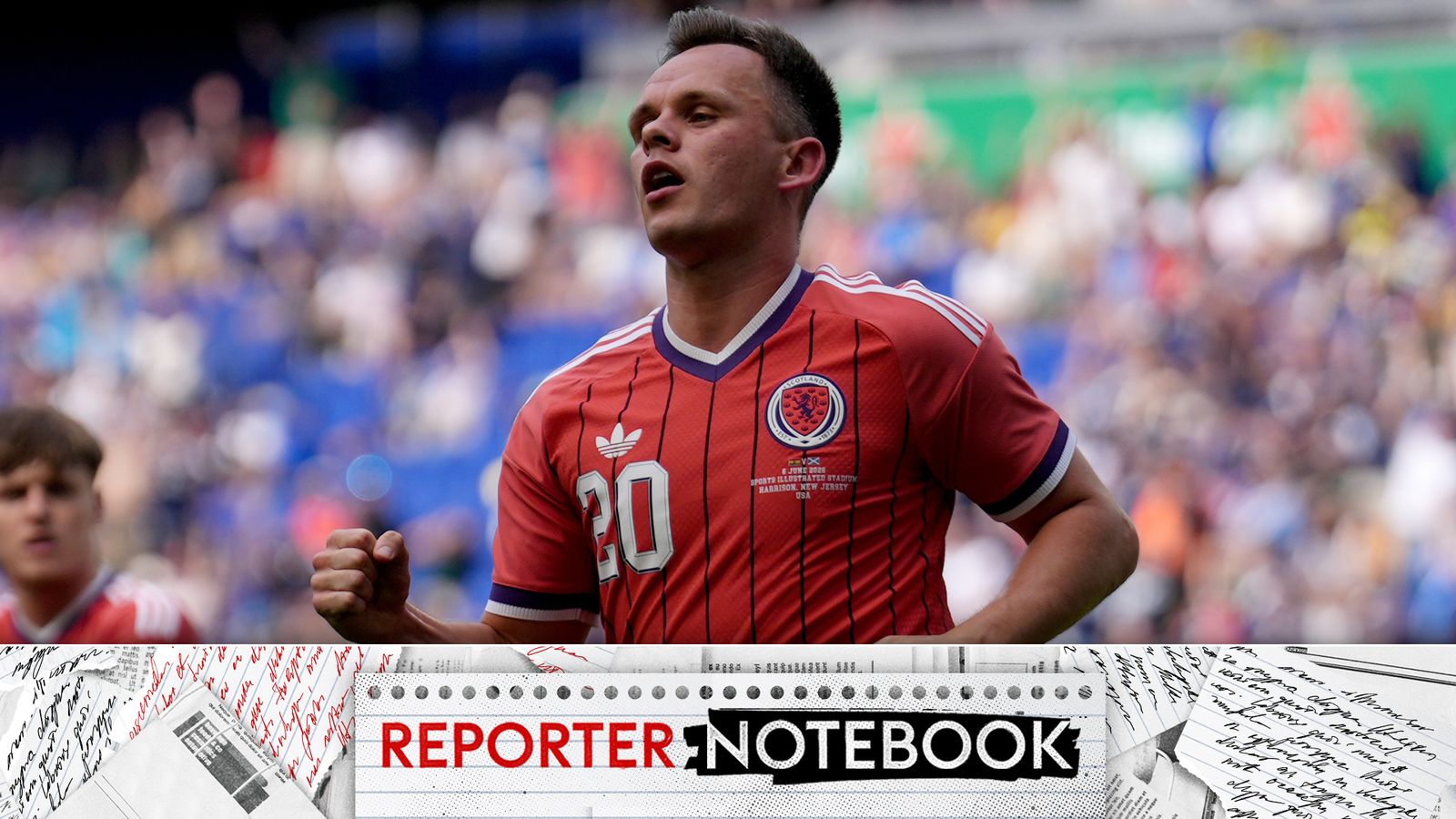
  • Scotland at World Cup 2026: Steve Clarke’s Side Aim to Break Group Stage Curse

    Scotland at World Cup 2026: Steve Clarke’s Side Aim to Break Group Stage Curse

    Scotland return to the World Cup for the first time since 1998, and Steve Clarke’s squad carry the hopes of a nation desperate to achieve something no Scottish team has managed before: progression beyond the group stage of a World Cup finals. The Tartan Army has waited 28 years for this moment, and the draw has served up a fascinating challenge.

    Clarke’s Historic Achievement

    When Steve Clarke took charge of Scotland in 2019, few could have predicted the transformation he would engineer. He ended Scotland’s 22-year tournament exile by guiding them to Euro 2020, repeated the feat for Euro 2024, and has now delivered the ultimate prize — a World Cup berth. Each barrier he has broken has raised expectations for the next, and the next barrier is the most formidable yet.

    Scotland have never advanced past the group stage of a World Cup in eight previous appearances. The statistics make grim reading: 14 matches played, four wins, three draws, and seven defeats. For a nation that has produced world-class individuals from Denis Law to Kenny Dalglish, the collective failure to progress on the global stage remains the great unfinished business of Scottish football.

    The Group of Challenging Proportions

    Scotland’s Group C campaign begins against Haiti before they face Morocco and Brazil. There is a curious historical echo here — Brazil and Morocco were also among Scotland’s group opponents at France 1998, when Craig Brown’s side lost to the South American giants and drew with Morocco before a famous victory over Norway proved insufficient to progress.

    Haiti, appearing in their first World Cup since 1974, are the lowest seeds in the group. Scotland will be expected to win that opening fixture, but Haiti possess genuine threats. Wilson Isidor, who caused problems for Premier League defences during his loan at Sunderland, is a physical presence up front, while Duckens Nazon was a prolific scorer during qualifying. There is no guaranteed victory in tournament football — Scotland’s painful history against Peru and Iran in 1978 serves as a cautionary tale.

    A Squad Built for the Occasion

    This Scotland squad boasts a wealth of tournament experience. Key figures like Andy Robertson, John McGinn, and Kieran Tierney have played in multiple major tournaments and understand the rhythms of knockout competition. The squad blends experienced campaigners with emerging talent, and crucially, most of the squad have experienced tournament football together.

    The Tartan Army has been in fine voice throughout the build-up, with McGinn murals appearing in Glasgow and Scottish fans booking flights in unprecedented numbers. The emotional connection between this team and its supporters has been a defining feature of the Clarke era.

    What Would Success Look Like?

    For many supporters, simply being at the World Cup after a 28-year absence represents a victory in itself. But Clarke and his players have set their sights higher. Advancing to the knockout stage would rank among the greatest achievements in Scottish sporting history. A win against Haiti, followed by competitive performances against Morocco and Brazil, could be enough to secure one of the best third-place qualifying spots in this expanded 48-team format.

    Scotland have broken barriers before under Clarke. Now they face the biggest one of all.

    Source: Sky Sports

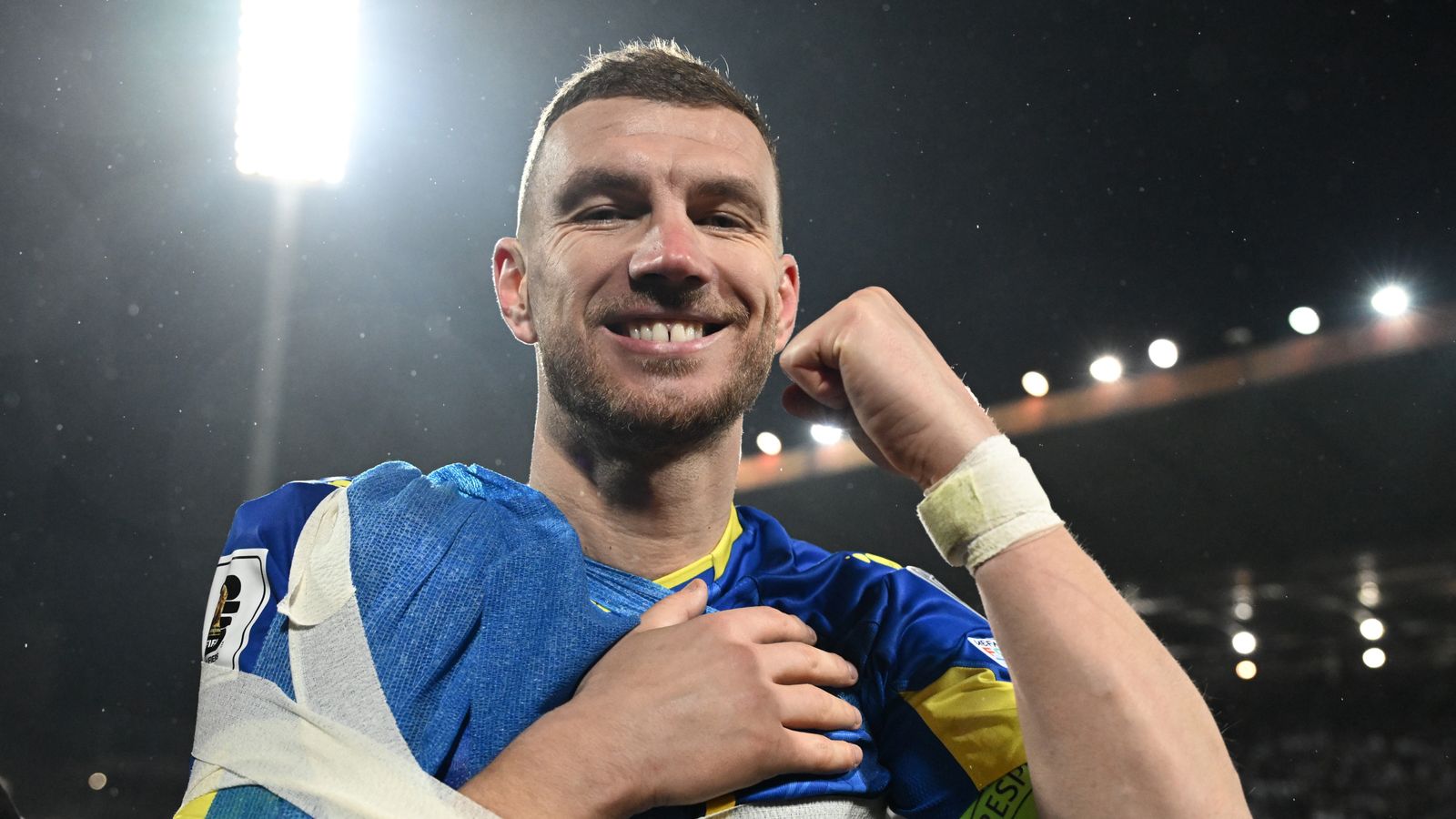
  • Edin Dzeko at 40: The Remarkable Longevity of Bosnia’s Record Goalscorer

    Edin Dzeko at 40: The Remarkable Longevity of Bosnia’s Record Goalscorer

    When Edin Dzeko first pulled on a Bosnia and Herzegovina shirt, few could have predicted that nearly two decades later, he would still be leading his nation into battle at a World Cup. Now 40 years old, the striker who has scored 73 international goals — more than double the next highest scorer in his country’s history — is preparing for what may be his final global tournament.

    A Journey from Midfield to World-Class Striker

    Dzeko’s path to the top was anything but straightforward. As a teenager, he was a struggling midfielder at FK Zeljeznicar in Sarajevo. There were even those within the club who believed they had struck gold when they sold the lanky youngster to Czech side Teplice for a modest five-figure fee back in 2005. That decision would go down as one of the biggest misjudgements in Balkan football history.

    From Teplice, Dzeko moved to Wolfsburg, where he burst onto the global scene with 66 goals in 111 Bundesliga appearances. Alongside Grafite, he formed one of the most devastating strike partnerships in German top-flight history, powering Wolfsburg to the 2008-09 Bundesliga title. His 2009-10 campaign, in which he scored 22 goals and registered 11 assists, marked him as one of Europe’s most complete forwards.

    Premier League Glory and Serie A Success

    Manchester City came calling in January 2011, and Dzeko’s 72 goals in 189 appearances included some of the most memorable moments in Premier League history. His equaliser against QPR on the final day of the 2011-12 season — the assist coming from Sergio Aguero’s famous pass — set the stage for one of football’s most iconic title-winning moments. Two Premier League titles later, Dzeko had cemented his status as a City legend.

    His subsequent move to Roma saw him flourish once more, with 119 goals in 260 appearances making him the Giallorossi’s leading scorer in European competition. A Serie A top scorer award in 2016-17 confirmed that age had not diminished his instinct in front of goal.

    The Secret to Longevity

    Speaking about his enduring career, Dzeko emphasises the importance of meticulous preparation. “Maybe when you are young, you don’t think about coming earlier to training and staying 30 to 45 minutes before training in the gym doing prevention work,” he reflects. “When you get older, you realise that your body needs it if you want to compete at the best level.”

    This dedication has paid off handsomely. After helping Schalke secure promotion back to the Bundesliga, Dzeko finds himself as the third oldest outfield player at the 2026 World Cup — behind only Cristiano Ronaldo and Luka Modric, both teenage prodigies who were already household names when Dzeko was still finding his way as a midfielder in Sarajevo.

    A World Cup Send-Off

    Approximately 450 career goals after that modest transfer to Teplice, Dzeko’s legacy is secure. Bosnia may not be among the favourites in the United States, but their captain’s presence ensures they will not lack for experience, leadership, or goal threat. For a player who once had doubters within his own club, the final chapter of a remarkable career is being written on the grandest stage of all.

    Source: Sky Sports

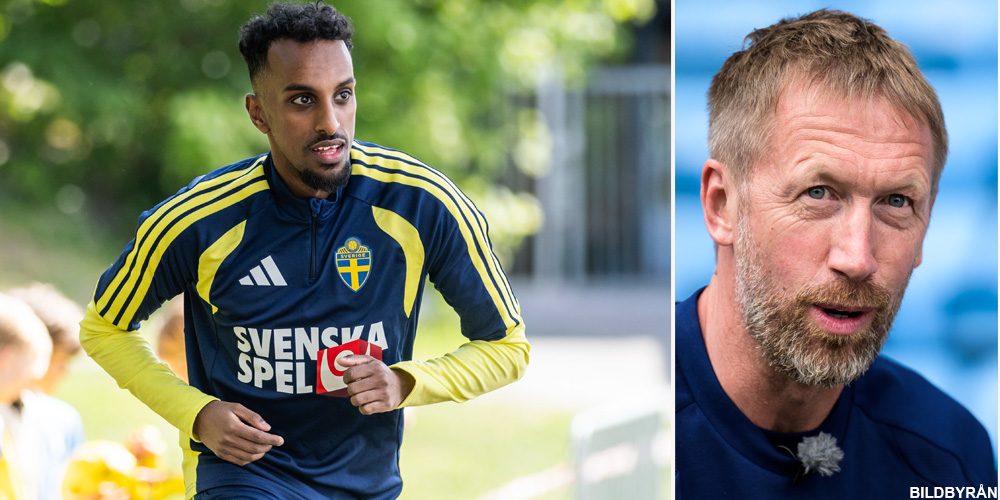
  • From Night Shifts in the Subway to World Cup Stardom: Taha Ali’s Unbelievable Journey to Sweden’s World Cup Squad

    From Night Shifts in the Subway to World Cup Stardom: Taha Ali’s Unbelievable Journey to Sweden’s World Cup Squad

    A Dream Written in the Stars

    When Taha Ali walks out onto the pitch at the 2026 World Cup, he will be living a dream that once seemed impossible. The Swedish winger’s journey from working night shifts in the Stockholm subway to representing his country at football’s biggest tournament is one of the most remarkable stories in this year’s competition — a tale of perseverance, self-belief, and the refusal to let circumstances define one’s destiny.

    Ali’s path to the World Cup is far from the conventional route taken by most international footballers. While his teammates were progressing through elite academies and youth national teams, Ali was playing in Sweden’s lower divisions, balancing his footballing ambitions with the very real need to earn a living. His story serves as an inspiration to every young player who has ever been told they are not good enough.

    The Grind: Division 2 and the Night Shift

    Just a few years ago, Ali was plying his trade in Sweden’s Division 2 — the fourth tier of Swedish football — while working overnight shifts in the Stockholm metro system to make ends meet. The gruelling combination of night work and daytime training would have broken most players, but Ali used it as motivation. Every shift on the subway was a reminder of where he did not want to be; every training session was a step towards where he desperately wanted to go.

    His performances in Sweden’s lower divisions began to attract attention. Despite playing in relative obscurity, Ali’s natural talent was impossible to ignore. His dribbling ability, pace, and eye for goal set him apart from his peers, and it was only a matter of time before a professional club took notice.

    The Breakthrough

    Ali’s big break came when he earned a move to the Allsvenskan, Sweden’s top flight. Stepping up several levels, he faced sceptics who doubted whether a player with his unconventional background could make the transition. But Ali let his football do the talking. Within months, he had established himself as one of the most exciting wide players in the league, terrorising defenders with his direct running and creative flair.

    His performances did not go unnoticed at the international level. Sweden manager Jon Dahl Tomasson, known for his willingness to reward form and character over reputation, brought Ali into the national team setup. The winger seized his opportunity, impressing in training and making an impact in his appearances for the Blågult.

    A World Cup Call-Up Against All Odds

    When the final World Cup squad was announced, Ali’s inclusion raised eyebrows among those unfamiliar with his journey. But for those who had followed his rise, it was a moment of pure validation. From Division 2 and the subway night shift to the biggest stage in world football — his selection is a testament to the meritocracy that makes football such a beautiful sport.

    Ali himself has spoken movingly about his journey, saying that there are no limits to what you can achieve through dreams and hard work. His message resonates far beyond football, striking a chord with anyone who has ever faced adversity or been told their ambitions were unrealistic.

    The Power of Belief

    As Sweden prepare for their World Cup campaign, Ali represents more than just a tactical option on the wing. He embodies the fighting spirit and resilience that defines the Swedish national team. Every time he steps onto the pitch, he carries with him the story of every player who ever had to work a night shift before a game, every talent that was overlooked, and every dream that refused to die.

    Whether Ali plays a starring role or a supporting one in this World Cup, his story has already made him one of the tournament’s most compelling figures. In a sport increasingly dominated by academy-produced superstars and multi-million-pound transfers, Taha Ali is a reminder that the beautiful game still has room for the most beautiful stories of all.

  • Sweden Face Pitch Chaos and Spygate Fears Ahead of World Cup Opener in Mexico

    Sweden Face Pitch Chaos and Spygate Fears Ahead of World Cup Opener in Mexico

    Turf Troubles Threaten Sweden’s World Cup Preparations

    Sweden’s World Cup campaign has been thrown into disarray just days before their opening match, with reports emerging that the Swedish camp is desperately seeking to change their training base in Mexico due to serious concerns over pitch quality. The situation has escalated to the point where the Swedish Football Association is actively exploring alternative training venues, with the clock ticking down to their Group F opener.

    The controversy centres on the training pitches assigned to Sweden at their pre-tournament base in Mexico. Players and coaching staff have reportedly been left deeply underwhelmed by the condition of the surfaces, which are described as far below the standard required for elite-level preparation ahead of a major tournament. Sources within the camp have described the situation as a ‘grass chaos’ that threatens to disrupt the meticulous planning that has gone into Sweden’s World Cup build-up.

    Spying Concerns Add to the Tension

    Complicating matters further, there are growing concerns within the Swedish delegation about potential espionage from group-stage opponents. The fear of ‘spying’ — with opposition teams potentially monitoring training sessions — has added an extra layer of tension to what is already a high-stakes period for head coach Jon Dahl Tomasson and his squad.

    The combination of inadequate training facilities and security concerns has created a perfect storm of anxiety within the Swedish camp. According to reports from Mexico, rival teams in Group F are said to be unhappy about the situation, with one source quoted saying the conditions are ‘not appreciated’ by Sweden’s opponents, who want a level playing field for the tournament.

    A Critical Opening Fixture

    Sweden’s World Cup campaign begins with a crucial Group F encounter, and the team can ill afford any distractions. The Blågult qualified for the 2026 World Cup with a mixture of solid defensive organisation and moments of individual brilliance, but their preparations have been far from smooth. Injuries to key players and now these logistical headaches threaten to undermine months of careful planning.

    The Swedish camp has been a model of professionalism throughout the qualification campaign, but the conditions in Mexico have tested their patience. Players have reportedly been frustrated by the gap between what was promised and what has been delivered at their training base.

    FIFA Under Pressure to Intervene

    With just days until the tournament gets underway, the Swedish FA is understood to have made representations to FIFA regarding the training facilities. A change of venue would require approval from tournament organisers, and it remains to be seen whether a suitable alternative can be secured at such short notice.

    The situation highlights the logistical challenges of hosting a World Cup across three nations — the United States, Canada, and Mexico — where infrastructure standards vary significantly between venues. While the match stadiums have been praised for their quality, the training facilities appear to be lagging behind in some locations.

    For Sweden, the priority now is damage limitation. Whether through a change of venue or an emergency upgrade of their current facilities, the team needs a resolution fast. With World Cup dreams on the line, every detail matters — and right now, the grass on Sweden’s training pitch is a very big detail indeed.

  • World Cup 2026 Group L Guide: The Group of Death That Has Everyone Talking

    World Cup 2026 Group L Guide: The Group of Death That Has Everyone Talking

    Welcome to the Most Competitive Group in the Tournament

    As the 2026 World Cup draws near, attention is increasingly focused on Group L — widely regarded as the most tightly contested of the 12 groups in this expanded 48-team tournament. With no clear favourite and every fixture carrying the potential for an upset, Group L promises to deliver drama from the opening whistle to the final group-stage match.

    The Contenders

    Group L brings together a fascinating mix of established European pedigree, African ambition, Asian resilience, and North American determination. While the exact composition of the group includes some of the tournament’s most intriguing storylines, the key narrative centres on the fact that this is the group where rankings matter least. Historical form offers little guidance, as several teams in this section have never faced each other at a major tournament.

    What to Watch For

    The defining characteristic of Group L is its unpredictability. Unlike some of the other groups in the tournament where one or two teams stand head and shoulders above the rest, every match in Group L could genuinely go either way. Analysts have struggled to call the outcome, with some going as far as to suggest that all four teams have a realistic path to the Round of 32.

    Key battles to watch include the tactical duels in midfield, where several of the world’s most creative playmakers will square off. Set pieces could prove decisive, particularly in matches where the heat and humidity take their toll and games become tight, tactical affairs decided by a single moment of quality.

    Star Players to Watch

    Each nation in Group L brings at least one game-changing talent to the table. Whether it is a seasoned veteran looking to make one final impact on the global stage or a rising star announcing themselves to the world, the individual quality on display in this group will be exceptional. The expanded 26-player squads for this tournament mean that depth will be tested like never before, and the team that manages its resources best over the three group matches will have a significant advantage.

    Prediction

    Predicting the outcome of Group L is a fool’s errand. The gap between the strongest and weakest team on paper is the smallest of any group in the tournament, and the conditions — with matches potentially spread across different cities and climates — add another layer of complexity. What is certain is that the two teams that do emerge will be battle-hardened and dangerous opponents for whoever awaits them in the knockout phase.

    For the neutrals watching at home, Group L is appointment viewing. For the fans of the four nations involved, it will be a nerve-shredding experience that could go down to the final kick of the final matchday.

    Source: SvenskaFans

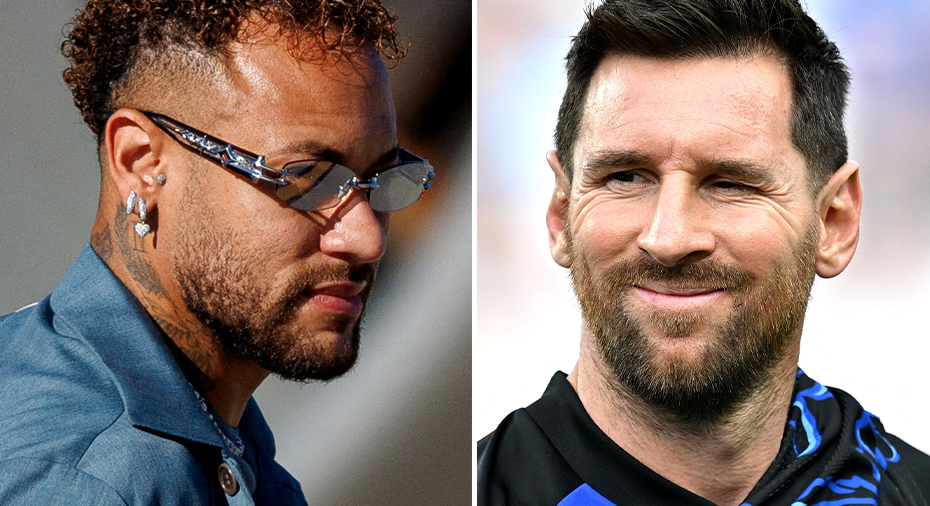
  • Lionel Messi Cleared for World Cup Action as Argentina Confirm Star Will Play Against Iceland

    Lionel Messi Cleared for World Cup Action as Argentina Confirm Star Will Play Against Iceland

    Good News for Argentina

    Argentina have received a significant fitness boost ahead of the 2026 World Cup, with Lionel Scaloni confirming that Lionel Messi will feature in the reigning champions’ final warm-up match against Iceland. The 38-year-old superstar had been a doubt after limping off during Inter Miami’s last fixture before the tournament break, sparking concern across a nation that views his presence as essential to their title defence.

    Messi’s Recovery

    Messi sat out Argentina’s training match against Honduras last week as a precautionary measure, with medical staff monitoring his condition closely. Speaking at a press conference on Monday, Scaloni put fears to rest: “Messi will play. I don’t know how many minutes yet, but he will take part in the game.” The confirmation represents a considerable relief for Argentina, who are counting on their captain to lead the charge as they seek to become the first team since Brazil in 1962 to successfully defend the World Cup.

    Neymar’s Situation

    Across the border in Brazil, the situation surrounding Neymar remains more uncertain. The 34-year-old has also been battling injury concerns in the build-up to the tournament, and like Messi, his availability had been the subject of intense speculation in the Brazilian media. Brazil’s medical staff have been cautious with the forward’s rehabilitation, mindful of his history of lower-body injuries that have disrupted his previous tournament campaigns.

    Brazilian fans will be anxiously awaiting further updates as their team prepares for what promises to be a demanding Group H campaign. Neymar’s fitness remains the single biggest variable in Brazil’s World Cup prospects, and the Seleção will be reluctant to take any unnecessary risks with their talisman ahead of their opening fixture.

    The Stars’ Legacy

    This World Cup carries special significance for both Messi and Neymar, widely considered to be competing in their final major international tournament. For Messi, the opportunity to lead Argentina to back-to-back titles would cement a legacy already secured by the 2022 triumph in Qatar. For Neymar, a strong showing would finally deliver the World Cup success that has eluded Brazil since 2002, even as a new generation of Brazilian talent emerges around him.

    Argentina’s group-stage campaign will begin against Saudi Arabia, followed by matchups with Mexico and South Africa. Brazil face a more testing group that includes Spain, Cape Verde, and Senegal. The availability of their respective superstars could well determine how deep each South American giant progresses into the knockout rounds.

    Source: Fotbollskanalen

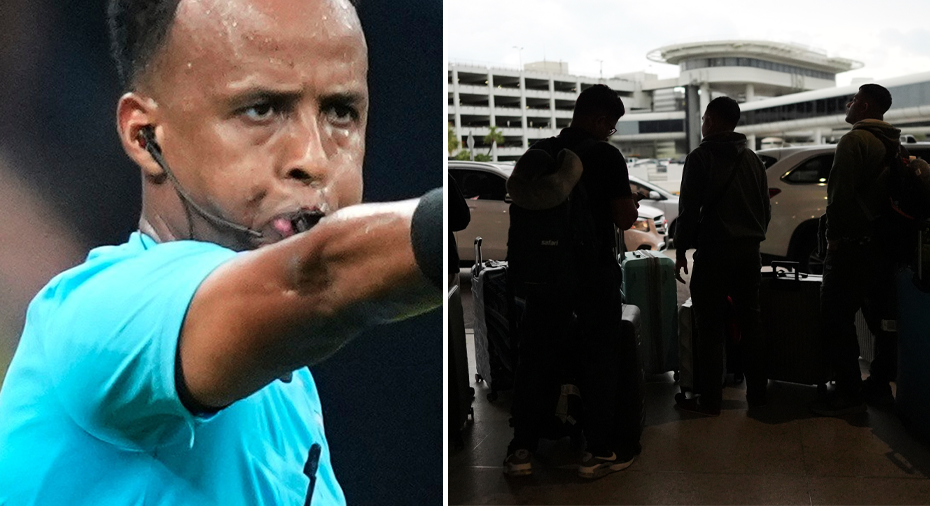
  • African Referee of the Year Omar Artan Sent Home from World Cup After US Entry Denial

    African Referee of the Year Omar Artan Sent Home from World Cup After US Entry Denial

    A Dream Cut Short

    Omar Artan, named Africa’s best referee for 2025, has been sent home from the 2026 World Cup after being denied entry to the United States, in a developing controversy that has cast a spotlight on tournament entry procedures. The Somali official, who was selected to officiate at his first World Cup, spoke to the New York Times about his devastating disappointment, describing the tournament as his lifelong dream.

    What Happened

    Artan arrived in Miami as part of the World Cup’s officiating contingent, only to be refused entry by US border authorities. The reasons for the denial remain unclear, though Artan himself has suggested his nationality may have been a factor. “I am very, very disappointed,” Artan told the New York Times. “I think they have a problem with my country.” FIFA subsequently confirmed that the 34-year-old would not participate in the tournament, effectively terminating his involvement before it began.

    The Somali referee had been subjected to an 11-hour interview process at the airport before the decision was made, a gruelling ordeal that left him physically and emotionally drained. Despite holding what he believed to be proper documentation for his role at the tournament, Artan was ultimately turned away.

    FIFA’s Position

    FIFA responded by stating that it does not interfere with a host country’s immigration decisions, effectively confirming that the governing body would not intervene on Artan’s behalf. “FIFA does not interfere with a host country’s immigration procedures,” the organisation said — a statement that has drawn criticism from African football officials who argue that FIFA has a responsibility to ensure its selected officials can fulfil their duties.

    Broader Concerns

    The Artan case is the most high-profile example of entry issues affecting World Cup personnel, but it is not isolated. With the 2026 tournament spread across three countries, each with distinct visa and immigration policies, concerns have been raised about whether the logistical framework is adequately prepared for the unique challenges of a tri‑nation World Cup.

    African football has been particularly vocal, with the Confederation of African Football expressing concern that qualified officials from the continent could face barriers that their European or South American counterparts would not experience. Artan’s case will likely prompt renewed calls for FIFA to establish clearer protocols for ensuring that all selected match officials, regardless of nationality, can enter host countries without impediment.

    What Comes Next

    For now, Artan has returned to Somalia, his World Cup dream over before it could begin. The 34-year-old, who was widely regarded as one of the rising talents in global refereeing, will now watch the tournament from afar. His exclusion leaves a significant gap in the African officiating contingent and raises uncomfortable questions that FIFA and the US authorities will need to address before the knockout stages begin.

    Source: Fotbollskanalen / New York Times

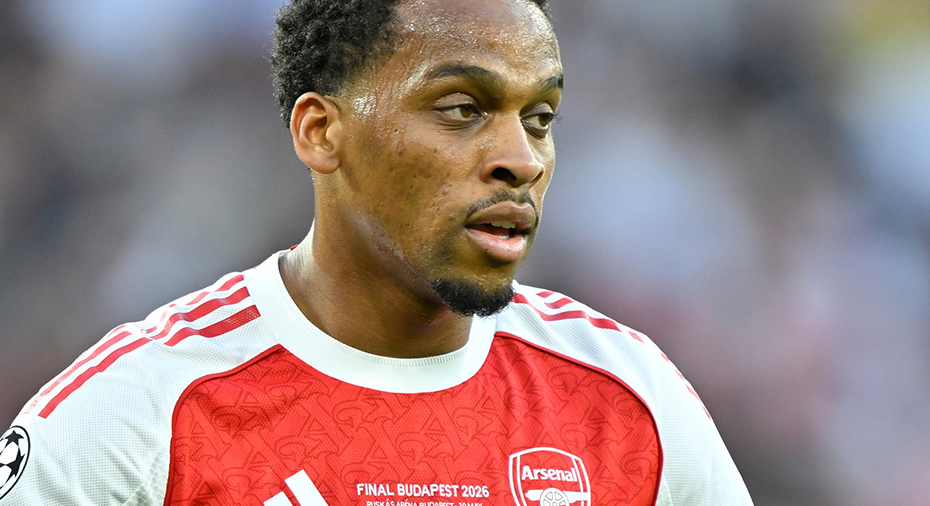
  • Netherlands Hit by Major Blow as Jurrien Timber Ruled Out of World Cup 2026

    Netherlands Hit by Major Blow as Jurrien Timber Ruled Out of World Cup 2026

    Arsenal Defender Withdraws from Squad

    The Netherlands national team has suffered a significant setback ahead of the 2026 World Cup, with Arsenal defender Jurriën Timber officially ruled out of the tournament due to a groin injury. The Dutch Football Federation confirmed the news during the team’s training camp in New York, stating that the 24-year-old has not recovered sufficiently to participate in the summer showpiece.

    Injury Details

    Timber has been battling a groin problem that has persisted since the closing stages of the Premier League season. Despite intensive rehabilitation efforts during the build-up to the tournament, medical staff determined that the defender could not be cleared to play without significant risk of further damage. The federation’s statement read: “The 24-year-old defender has not recovered enough from a groin injury to participate in the World Cup in a medically responsible manner.”

    Timber will leave the Dutch camp later today, returning to continue his rehabilitation. His absence leaves a significant void in Ronald Koeman’s defensive plans, with the former Ajax star having established himself as a key figure in the national team setup following his move to Arsenal in 2023.

    What This Means for the Netherlands

    The Netherlands have been drawn in Group F alongside Sweden, Tunisia, and fellow European side Croatia. Koeman now faces the challenge of reshuffling his defensive line with just days until their opening fixture. Potential replacements include the experienced Stefan de Vrij, young prodigy Jorrel Hato of Ajax, or a tactical shift that could see Matthijs de Ligt partnered with Virgil van Dijk in a revised system.

    Swedish midfielder Ken Sema offered a measured response when asked about the news: “A setback for Holland,” he acknowledged, recognising that the Oranje remain a formidable opponent even without Timber’s services.

    A Familiar Pattern of Last-Minute Absences

    Late injury withdrawals have become an unfortunate reality of major tournaments, and the Netherlands have not been spared. The loss of a player of Timber’s calibre just days before kick-off forces Koeman to adjust both his starting eleven and his contingency plans for the knockout stages. The Dutch will be hoping that Timber’s absence is the exception rather than the start of a pattern as they pursue their first World Cup title since their run to the final in 2010.

    Source: Fotbollskanalen

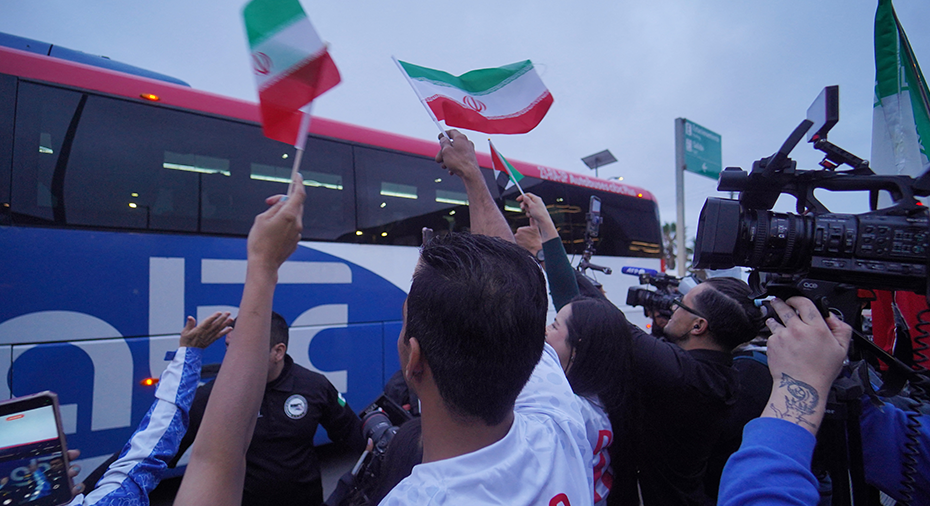
  • FIFA Revokes Iran’s World Cup Tickets as Supporters Face Travel Ban

    FIFA Revokes Iran’s World Cup Tickets as Supporters Face Travel Ban

    Iranian Fans Denied Access to World Cup 2026

    FIFA has taken the unprecedented step of revoking the ticket allocation granted to the Iranian Football Federation for the 2026 World Cup, delivering a devastating blow to supporters hoping to follow their national team across the United States this summer. The decision, confirmed by Iranian officials to Reuters, means that thousands of tickets originally set aside for Iranian fans will now be withdrawn, effectively barring the country’s organised supporter base from attending the tournament.

    Why the Tickets Were Withdrawn

    The Iranian Football Federation had been allocated a standard portion of tickets, as is customary for every participating nation at the World Cup. However, diplomatic and security concerns surrounding travel to the United States have complicated arrangements for Iranian citizens. Just last week, the Iranian national team itself received clearance to enter the US for their group-stage matches, raising hopes that fans would follow suit. That optimism has now been dashed.

    While the exact reasons behind FIFA’s decision have not been publicly detailed, the move reflects the complex geopolitical landscape surrounding this summer’s tournament, co-hosted by the United States, Canada, and Mexico. Iranian supporters face significant barriers obtaining US visas, a reality that made the prospect of organised fan travel increasingly fraught.

    Iran’s World Cup Campaign Under a Cloud

    Iran’s national team will compete in Group G alongside England, Scotland, and Senegal — a demanding section even before factoring in the off-field distractions. The absence of a vocal travelling support could prove costly in what promises to be a fiercely competitive group.

    The Iranian squad has already touched down in the United States to begin final preparations for the tournament. Head coach Amir Ghalenoei will now have to focus his players’ attention squarely on football matters, even as the news from home generates headlines around the world.

    Broader Implications

    This incident highlights the unique challenges of the 2026 World Cup — the first to be hosted across three nations with vastly different visa regimes. While Canada and Mexico have relatively straightforward entry requirements for most participating nations, the United States’ stringent visa policies have created logistical hurdles for several delegations. The Iranian supporter ban could set a precedent for how similar situations are handled should other nations face comparable issues during future tournaments.

    FIFA has not indicated whether the redistributed tickets will be made available to the general public or allocated to other nations. For Iranian fans, the dream of watching their team on football’s grandest stage has been cruelly cut short.

    Source: Fotbollskanalen via Reuters

  • World Cup 2026: Which Team Will Travel the Farthest at the Most Geographic Tournament Ever?

    World Cup 2026: Which Team Will Travel the Farthest at the Most Geographic Tournament Ever?

    The Ultimate Road Trip

    The 2026 World Cup is already breaking records before a single ball has been kicked. With 48 teams spread across three host nations — the United States, Canada, and Mexico — this tournament presents unprecedented logistical challenges. Among the most fascinating subplots is the question of which team will clock the most air miles as they crisscross the North American continent from group stage to knockout rounds.

    The answer, according to analysis of the group stage draw and projected travel routes, involves nearly 7,500 miles of air travel for one team, making this the most grueling journey in World Cup history. The sheer scale of the host nations — spanning six time zones and thousands of miles from the Pacific to the Atlantic coasts — means that even the luckiest teams face significant travel demands.

    The Team Covering the Most Distance

    Based on group stage assignments and potential knockout paths, teams from Asia and Oceania face the longest overall journeys. With matches potentially scheduled in vastly different climates and time zones, the physical toll of constant travel could become a decisive factor in determining which teams advance deep into the tournament.

    The expanded format means that group stage matches are spread across multiple cities, with teams potentially playing in Vancouver one day and Miami the next. The distance between the northernmost venue in Canada and the southernmost in Mexico is over 5,000 miles — equivalent to flying from London to Dubai and back.

    Logistical Planning on a Continental Scale

    For team coaches and support staff, the travel logistics represent a nightmare of coordination. Training facilities, accommodation, and recovery protocols must be arranged across multiple cities, often with minimal notice depending on knockout stage progress. Nutritionists, physiotherapists, and sports scientists must adapt their programs to account for jet lag, climate changes, and the cumulative fatigue of constant movement.

    FIFA has attempted to mitigate these challenges by grouping teams into regional clusters where possible, but the sheer geography of North America means that significant travel is unavoidable. Teams that reach the final will have crisscrossed the continent multiple times, accumulating travel miles that would circle the Earth.

    Previous Tournament Comparisons

    The 2022 World Cup in Qatar was unique for its compact geography, with all stadiums within a one-hour drive of Doha. Players and staff could sleep in their own beds throughout the tournament. By contrast, 2026 represents a swing to the opposite extreme, with distances that dwarf even the 2018 Russian edition, where teams traveled across 11 time zones.

    For the team that draws the longest straw, the journey from the opening group match to a potential final appearance could rival the distance from Earth to the Moon. The physical and mental resilience required goes far beyond what is demanded on the pitch — it tests the very limits of human endurance.

    As the tournament approaches, sports scientists and team analysts will be working overtime to develop travel strategies that minimize fatigue and maximize recovery. In a competition where fine margins separate glory from heartbreak, the battle against the miles might be the most important one of all.

    Source attribution: Sport24 Greece

  • Paris Prepares for World Cup Celebrations After PSG Title Crowd Control Concerns

    Paris Prepares for World Cup Celebrations After PSG Title Crowd Control Concerns

    Lessons Learned from Previous Celebrations

    As the 2026 World Cup prepares to kick off across North America, the city of Paris is making extensive preparations for what promises to be an unprecedented wave of fan celebrations. Following the chaotic scenes that erupted on the Champs-Élysées after Paris Saint-Germain’s recent title triumph, French authorities are determined to ensure that World Cup festivities proceed smoothly without compromising public safety.

    The French capital, like cities across Europe, will be a focal point for supporters gathering to watch matches and celebrate their teams’ progress. With France entering the tournament as one of the favorites, the prospect of deep runs into the knockout stages has prompted meticulous planning from Parisian authorities.

    Enhanced Security Measures

    Police prefectures in Paris have announced a comprehensive security plan that includes dedicated fan zones, increased patrols, and a visible police presence at key gathering points. The plan draws directly on the experience of the PSG title celebrations, where large crowds gathered spontaneously, leading to traffic disruptions and some incidents of disorder.

    Authorities have designated several areas across the city where fans can gather safely to watch matches on big screens, with controlled entry points and capacity limits designed to prevent overcrowding. The fan zones will be equipped with medical facilities, food vendors, and sanitary amenities to accommodate the expected influx of supporters.

    A City Transformed for Football

    Paris has a long and proud tradition of hosting major football celebrations, from the 1998 World Cup victory to France’s triumph in Russia in 2018. Each major tournament transforms the city, with bars, cafes, and public squares becoming impromptu gathering spots for fans of all nations.

    This year, however, the challenge is compounded by the time zone difference between North America and Europe. With matches scheduled across multiple time zones in the United States, Canada, and Mexico, French fans will be following fixtures at all hours, potentially extending the period of celebration and requiring around-the-clock coordination from authorities.

    Balancing Celebration and Order

    City officials emphasize that the goal is not to suppress celebration but to facilitate it safely. The Champs-Élysées, long the traditional epicenter of French football celebrations, will remain open to the public but with enhanced monitoring and rapid response teams stationed at strategic points.

    The French national team’s preparations have also been closely followed, with Didier Deschamps’ squad arriving in the United States with high expectations. Les Bleus boast a remarkable generation of talent, including Kylian Mbappé, Ousmane Dembélé, and Michael Olise, whose creativity and attacking flair have made France one of the most exciting teams to watch in the tournament.

    As the countdown to the opening match enters its final hours, Paris stands ready to embrace the World Cup spirit while learning from past experiences to ensure that the beautiful game brings out the best in the city and its people.

    Source attribution: RMC Sport

  • World Cup 2026: Match Officials Set for Record-Breaking Payday

    World Cup 2026: Match Officials Set for Record-Breaking Payday

    A Golden Opportunity for Referees

    While the world’s finest footballers compete for glory at the 2026 World Cup in the United States, Canada, and Mexico, the men and women in the middle of the action are also in line for a substantial financial reward. Reports from France indicate that match officials at this year’s expanded tournament will receive unprecedented compensation for their services, reflecting the growing demands and pressures of officiating at football’s highest level.

    According to details emerging from RMC Sport, referees selected for the 48-team competition are set to earn significantly more than in previous editions. The increase acknowledges both the expanded scope of the tournament and the intense scrutiny officials face in the modern game, where every decision is analyzed in minute detail by broadcasters and social media alike.

    Breaking Down the Financial Package

    While exact figures remain confidential, sources indicate that the basic match fee for referees has been increased substantially compared to the 2022 tournament in Qatar. In addition to per-match payments, officials will receive daily allowances during their stay in tournament hubs, as well as bonuses for progressing to the knockout stages.

    The compensation structure rewards experienced officials who handle high-pressure matches, with premium payments for those assigned to semi-finals and the final itself. VAR officials, who play an increasingly central role in the modern game, are also included in the enhanced payment scheme.

    The Weight of Responsibility

    French referee Clément Turpin, one of Europe’s most respected officials and a likely candidate for the tournament, embodies the caliber of officiating FIFA has selected for this World Cup. With 104 matches across 48 teams, the pressure on referees has never been greater. Each incorrect call can have massive consequences, from altering group standings to potentially influencing the outcome of the entire tournament.

    The 2026 World Cup introduces several new technological tools designed to assist officials, including enhanced offside detection systems and real-time communication improvements. These additions aim to reduce the margin for error while maintaining the flow of the game that makes football the world’s most popular sport.

    Investment in Quality

    FIFA’s investment in refereeing reflects a broader commitment to ensuring the highest standards of officiating. The world governing body has expanded its training programs for match officials, with several pre-tournament camps held across the host nations to ensure referees are familiar with the unique conditions of North American venues.

    The selection process for officials has been rigorous, with candidates evaluated on their domestic league performances as well as international matches in the lead-up to the tournament. Those ultimately chosen represent the best referees from every confederation, ensuring diverse representation across the officiating teams.

    With the World Cup set to kick off imminently, the spotlight will soon shift from the financial details to the performances on the pitch. For the referees selected, this represents both the biggest challenge of their careers and a well-earned reward for years of dedication to their craft.

    Source attribution: RMC Sport

  • World Cup 2026: Controversy Erupts Over Strict US Customs Checks on Senegal and Uzbekistan Teams

    World Cup 2026: Controversy Erupts Over Strict US Customs Checks on Senegal and Uzbekistan Teams

    Heated Debate Over Airport Procedures

    The 2026 World Cup has barely begun, and already a major controversy is brewing — not on the pitch, but on the airport tarmac. Teams from Senegal and Uzbekistan have reportedly faced unusually rigorous customs inspections upon arrival in the United States, sparking a heated debate about the treatment of visiting delegations.

    According to sources close to the Senegalese delegation, players and staff members were subjected to detailed questioning and baggage searches that went well beyond standard protocol. The thoroughness of the checks has raised eyebrows among football officials, with some describing the process as disproportionate compared to checks faced by teams from other nations.

    Senegal and Uzbekistan Single Out

    The African champions Senegal and Central Asian representatives Uzbekistan were both held up for extended periods while customs officials conducted their investigations. While U.S. Customs and Border Protection has standard procedures for all international arrivals, the specific treatment of these two nations has prompted concerns about potential profiling.

    Senegal Football Federation officials have privately expressed their dismay at the situation, noting that the team arrived in full compliance with all visa and documentation requirements. Similarly, the Uzbekistan delegation has indicated surprise at the level of scrutiny applied to their traveling party.

    FIFA and Diplomatic Reactions

    The controversy comes at a sensitive time, with FIFA eager to project an image of unity and celebration for the first 48-team World Cup. The governing body is reportedly monitoring the situation closely and has been in contact with both the U.S. organizing committee and relevant authorities.

    Diplomatic sources suggest that Senegal’s embassy in Washington D.C. has been notified and is seeking clarification on behalf of its national team. The incident threatens to cast a shadow over what should be a moment of celebration for African football, with Senegal arriving as one of the continent’s strongest representatives.

    Impact on Team Preparations

    Beyond the diplomatic implications, the extended customs procedures have practical consequences for team preparation. Both Senegal and Uzbekistan have had their training schedules disrupted, with sessions delayed or shortened as a result of the late arrivals at their respective team camps.

    Senegal, who face a challenging group stage campaign, will be particularly keen to put the incident behind them and focus on their football. The Lions of Teranga have high hopes for this tournament after their historic Africa Cup of Nations triumph and a strong World Cup showing in Qatar 2022.

    Uzbekistan, making only their second World Cup appearance in history, are equally determined not to let the airport controversy derail their preparations. The White Wolves will be looking to make a positive impression on the global stage and prove they belong among football’s elite.

    Source attribution: RMC Sport

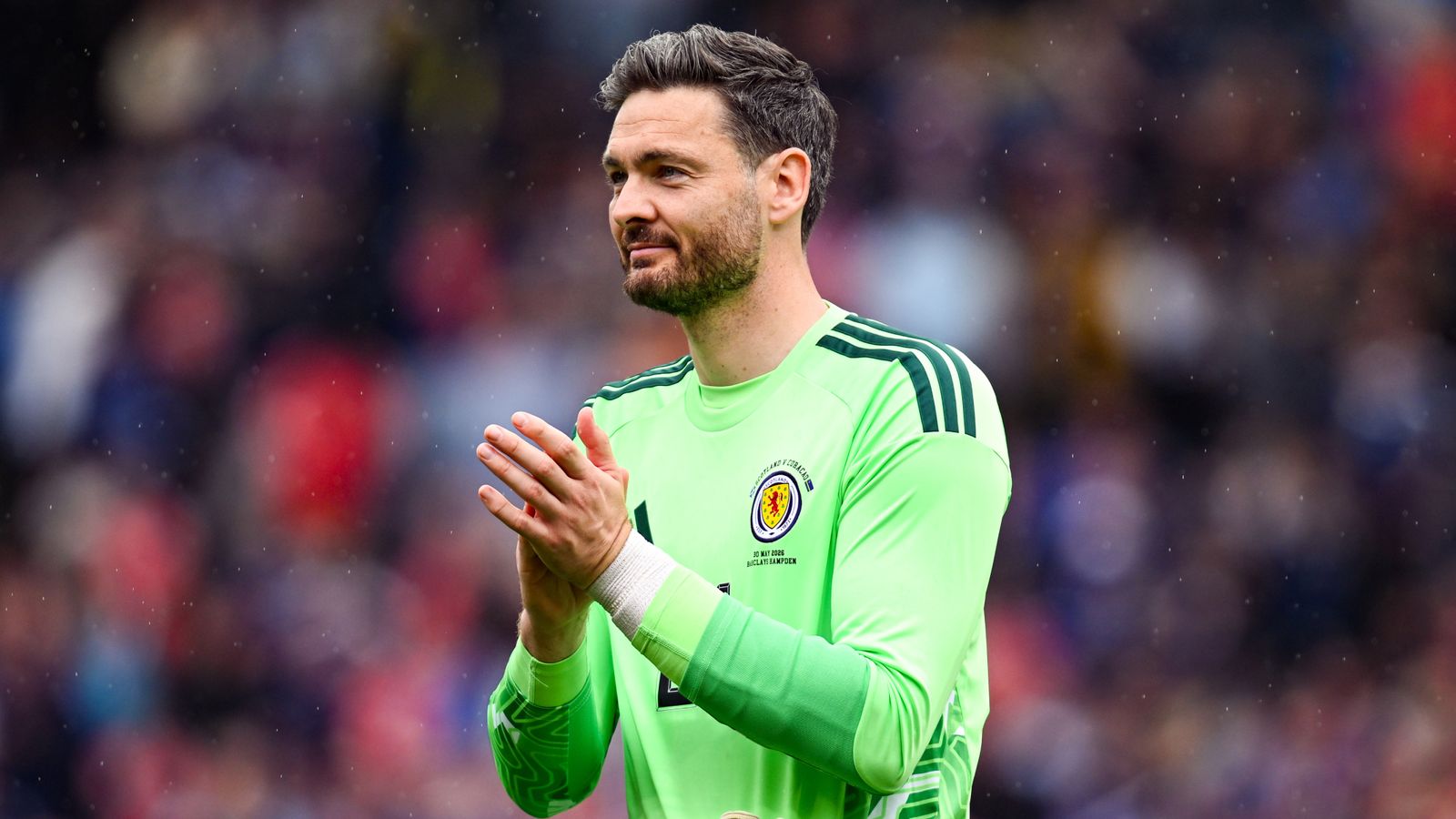
  • Craig Gordon at 43: Scotland’s Oldest-Ever World Cup Star Defies the Odds

    Craig Gordon at 43: Scotland’s Oldest-Ever World Cup Star Defies the Odds

    A Journey 22 Years in the Making

    When Craig Gordon made his Scotland debut against Trinidad and Tobago in 2004, George W. Bush was in the White House, the iPod Mini had just been released, and Scotland had not qualified for a World Cup in six years. Now, at 43, the veteran goalkeeper is not just at his first World Cup — he is the oldest player at the entire tournament, and his journey to get here is one of the most remarkable stories in Scottish football history.

    “I thought this opportunity had passed me by on more than one occasion,” Gordon admitted from Scotland’s training base in Charlotte, North Carolina. “To finally be here to be part of something this big, to finally see it, it’s a huge moment for any player in their career.”

    Scotland’s qualification was sealed in dramatic fashion — a 4-2 victory over Denmark at Hampden Park last November, ending a 28-year wait stretching back to the 1998 World Cup in France. The scenes of jubilation that night were a release of decades of near-misses and heartbreak for the Tartan Army.

    Against All Odds

    Gordon’s career has been punctuated by devastating injuries. He spent two full years out of professional football before signing for Celtic in 2014, a period during which many assumed his top-level career was over. More recently, a serious shoulder injury at Hearts limited him to just three league appearances this season — a campaign in which his club’s title challenge fell apart on the final day.

    “It’s been a tough year and there’s just been a lot of things to contend with,” Gordon reflected. “I made a few comebacks in my career and this was another one I wanted to make. I wanted to give it everything I possibly could to make it here.”

    Group C: Scotland’s Path

    Steve Clarke’s side have been drawn into Group C, a fascinating trio of fixtures that will test their credentials from the outset. They open against tournament debutants Haiti at Gillette Stadium in Foxborough on June 14, before facing Morocco and the formidable Brazil in Miami.

    The question of whether Gordon or Angus Gunn will start in goal remains unanswered. Clarke has kept his cards close to his chest, but Gordon’s experience and leadership qualities — not to mention his remarkable recovery — make him a compelling option between the posts.

    “The team is ready and we’re looking forward to that first match,” Gordon said. “It feels like it’s getting real now.” For a player who made his international debut before some of his teammates were born, the World Cup stage has been a long time coming. Now, Scotland’s oldest-ever player is determined to make every moment count.

    Source: Sky Sports

  • Ousmane Dembele: The PSG Superstar Who Hasn’t Yet Cracked It for France

    A Tale of Two Ousmanes

    Ousmane Dembele arrives at the 2026 World Cup as one of the most in-form players in world football — a Ballon d’Or contender fresh off a Champions League triumph with Paris Saint-Germain. Yet for France, the version of Dembele that takes the pitch in blue remains a shadow of the electrifying talent who terrorises defences in the Parisian capital.

    This dichotomy was on full display in France’s final warm-up friendly against Northern Ireland on Monday evening. Deployed in a central attacking role by Didier Deschamps, Dembele struggled to impose himself, drifting in and out of the game as Les Bleus laboured to a narrow victory.

    The PSG Version vs The France Version

    At PSG this season, Dembele has been transformed. Playing under Luis Enrique, he has been given freedom to roam, combine, and express himself — resulting in a career-best campaign that has put him in the conversation for football’s most prestigious individual award. His dribbling, decision-making, and end product have reached new heights, and he was instrumental in PSG’s Champions League run.

    But when he pulls on the France jersey, something shifts. Against Northern Ireland, Dembele was difficult to find in central areas, often dropping too deep or drifting wide where space was congested. The spontaneity that defines his club performances appeared restrained, as if he was overthinking his responsibilities within Deschamps’ tactical framework.

    France’s attacking setup presents a unique challenge. With Kylian Mbappe occupying the left channel and Antoine Griezmann operating in the hole, Dembele’s natural right-sided habitat is already spoken for. Deschamps has experimented with deploying him through the middle, but the results have been inconsistent — a player who thrives on chaos is being asked to play with structure.

    Olise Adds Pressure

    Complicating matters further is the emergence of Michael Olise. The Bayern Munich star has been in scintillating form and appears to have solved the question of his own best position by being effective everywhere across the front line. Deschamps now has a genuine selection headache: stick with the struggling Dembele in a role that doesn’t suit him, or hand the reins to Olise, who has seamlessly adapted to the international game.

    Deschamps has remained loyal to his established stars throughout his tenure, and Dembele’s quality is undeniable. But with France’s World Cup opener days away, the manager must decide whether to build the attack around his Ballon d’Or candidate — or find a way to unlock the version of Dembele that has made Paris fall in love with him all over again.

    Source: L’Equipe

  • Iran World Cup 2026: Visa Rejections and Diplomatic Tensions Before a Ball Is Kicked

    Diplomatic Storm Before Kickoff

    Iran’s seventh World Cup campaign has not even begun, yet it is already engulfed in controversy. The team arrived in Mexico for their pre-tournament base camp to find themselves at the centre of a diplomatic storm involving visa rejections, security concerns, and a war of words with the United States — the primary host nation of the 2026 tournament.

    FIFA president Gianni Infantino attempted to calm tensions as early as April, stating unequivocally: “I want to confirm without ambiguity that Iran will obviously participate in the World Cup. And of course Iran will play in the United States.” The statement came in response to a social media post from US President Donald Trump in March, who wrote that while Iran was welcome, he did not believe the players’ presence was “appropriate, for their own life and safety.”

    Visa Rejections and Logistical Nightmares

    The situation escalated when several members of Iran’s coaching and support staff had their US visa applications denied, forcing the team to operate with a skeleton crew. The strict 24-hour window imposed by US authorities means the team must enter and exit American soil on the same day for each of their matches, a logistical challenge unprecedented in World Cup history.

    Iran have been drawn into Group A alongside the United States, Ecuador, and Senegal — a group that now carries political weight far beyond the football pitch. Their opening match against the US in Los Angeles on June 14 is already being viewed as one of the most politically charged fixtures in tournament history.

    Players Caught in the Middle

    For the Iranian players, the situation is deeply personal. Many play their club football in Europe and have families who face difficulties obtaining travel documents. Star forward Mehdi Taremi, who has been in prolific form for Porto this season, spoke of the squad’s determination to focus on football despite the surrounding noise. “We are here to play, to represent our country with pride,” he told reporters upon arrival in Mexico City. “Politics is not our job. Our job is to make our nation proud on the pitch.”

    The team has been training under heavy security in Mexico, with reports suggesting that additional measures have been put in place for their movements across the border into the United States for match days.

    A Tournament Unlike Any Other

    Iran’s situation highlights the unique challenges of the 2026 World Cup, which is being co-hosted by three nations — the United States, Canada, and Mexico — across 16 cities. The geopolitical tensions embedded in this particular matchup have raised questions about how FIFA balances its universal sporting ethos with the political realities of its host nation.

    Infantino has insisted that Iran will play their matches without hindrance, but the practical obstacles facing the team suggest otherwise. FIFA is understood to be working behind the scenes to resolve the visa issues, though no breakthrough has been announced.

    Source: L’Equipe